Add a Battery to Your Existing Solar System in Texas
Already have solar panels? You may not need a new system — just a smarter one.

Your Solar System Isn’t Outdated — It’s Incomplete.
If your system was installed without battery storage, it was built around strong buyback programs.
But here’s what changed:
- Export credits dropped
- Free nights plans shifted the math
- Retail rates fluctuate more than ever
Now many homeowners are:
- Selling power cheap during the day
- Buying it back expensive at night
- Watching savings shrink
⚠️ The panels aren’t the problem. The storage strategy is.
You don’t need to replace your system.
You just need to upgrade it.
Can You Add a Battery to an Existing Solar System?
In most cases, yes.
Modern battery systems can integrate with:
- Microinverter systems
- String inverter systems
- Hybrid inverter systems
- Most systems installed in the last 10–12 years
This is called a battery retrofit.
You do not need to:
- Remove your panels
- Replace your entire system
- Start over
You simply add storage to what you already own.
Your system is already producing. Now it can start storing.
Why Solar Owners Are Adding Batteries in Texas
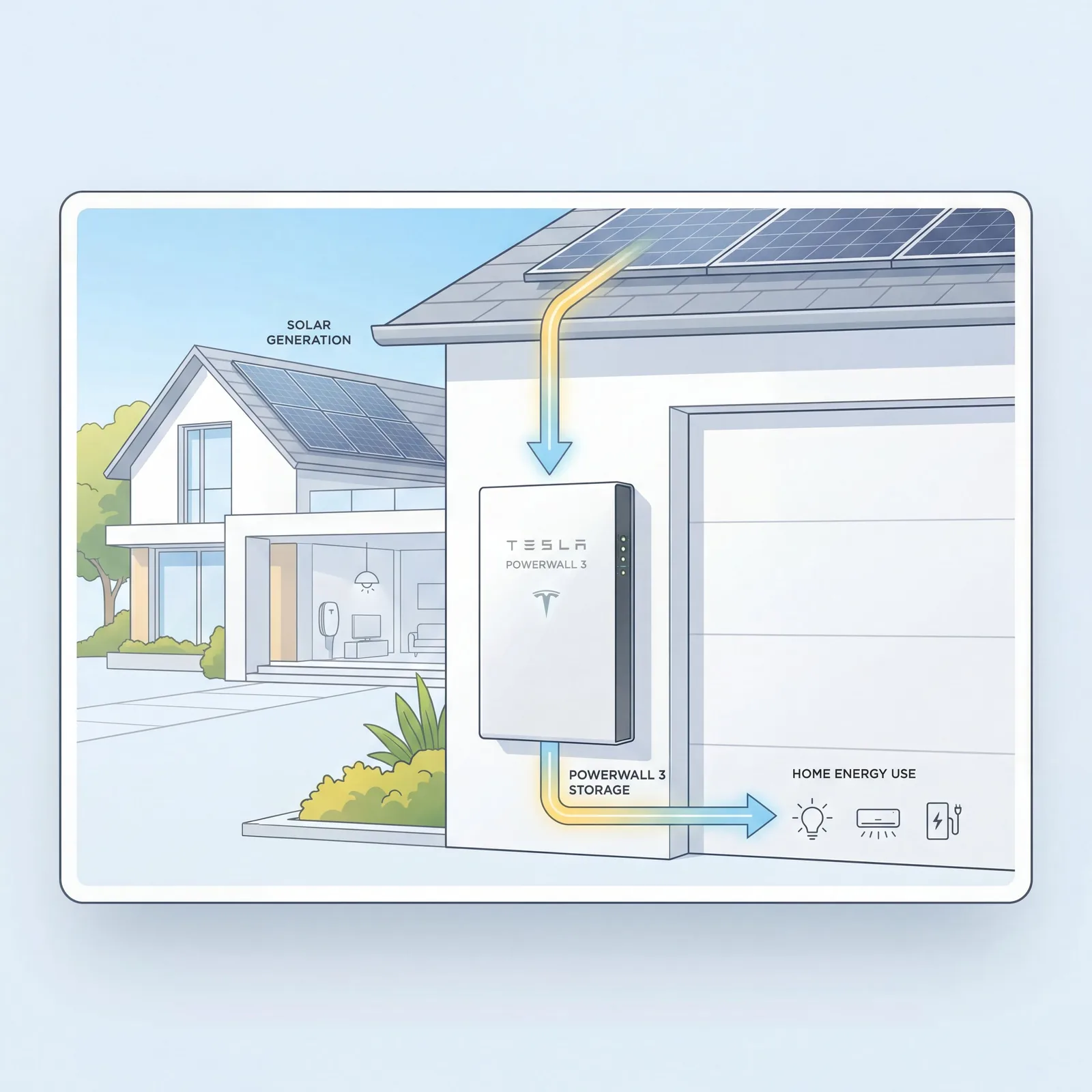
1\. Buyback Rates Dropped
Many homeowners now receive 2–4¢ per kWh instead of the 10–14¢ per kWh they originally had.
That difference can mean hundreds — even thousands — per year.
2\. Free Nights Plans Changed the Value of Daytime Solar
Daytime production no longer offsets nighttime usage the way it once did.
Now you’re:
- Selling low
- Buying high
That is the opposite of how solar was supposed to work.
3\. Outage Protection Is More Important Than Ever
Grid instability and severe weather have made backup power a serious consideration.
A battery gives you:
- Stored energy
- Backup capability
- Greater independence from the grid
Control instead of dependence.
Battery Retrofits Are Ideal If You:
- Installed solar between 2018–2024
- Recently noticed your bill increase
- Switched electric providers
- Export significant daytime power
- Want backup protection
- Feel like your return on investment changed
If your panels are producing but your savings dropped:
This is almost always a storage issue — not a panel issue.
How Adding a Battery Works
Most retrofits take 1–2 days.
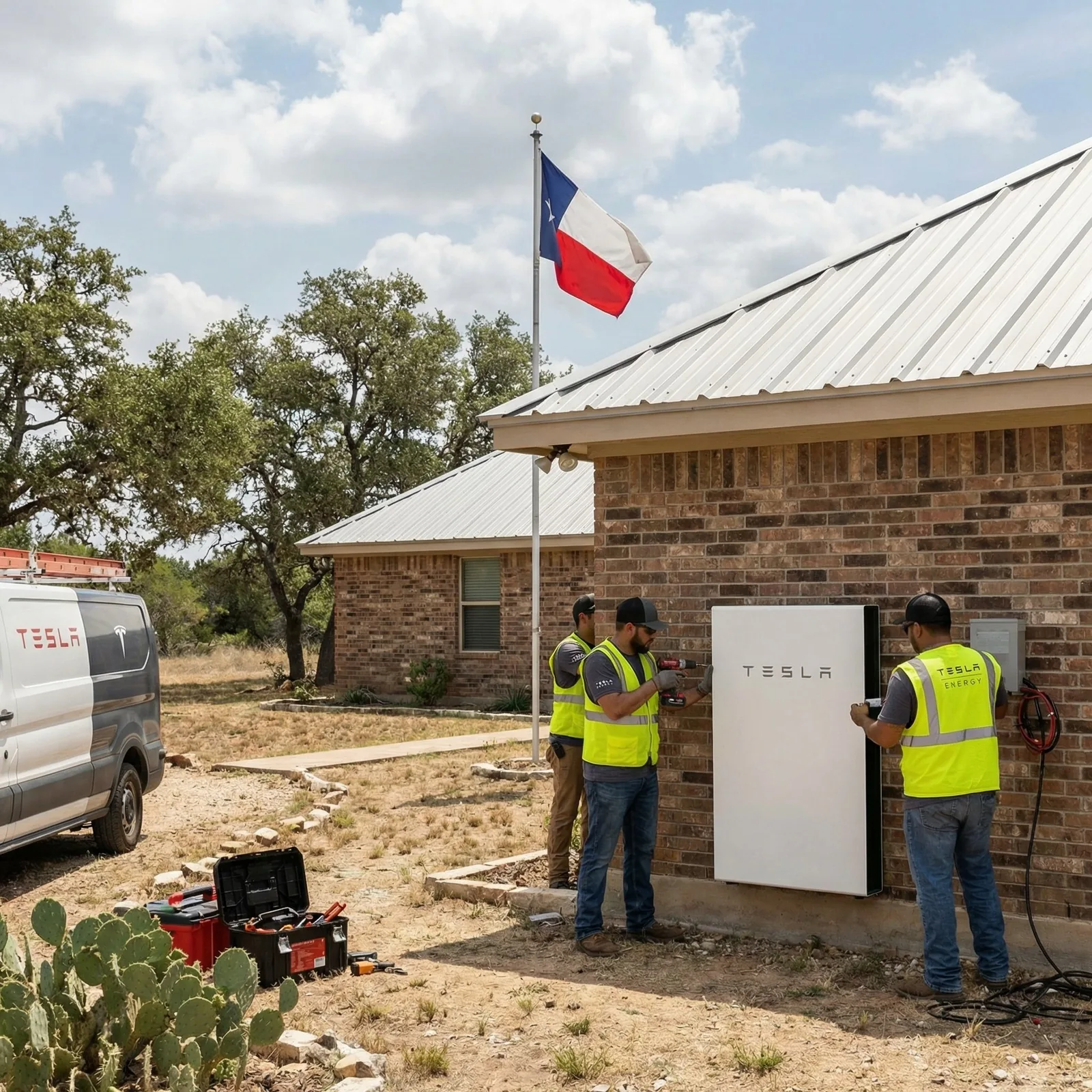
The process:
1. Compatibility review
2. Backup load analysis
3. Electrical integration
4. System commissioning and monitoring setup
There is:
- No roof removal
- No tearing out panels
- No full redesign
We simply integrate storage into your existing system.
How Much Does It Cost to Add a Battery in Texas?
Pricing depends on:
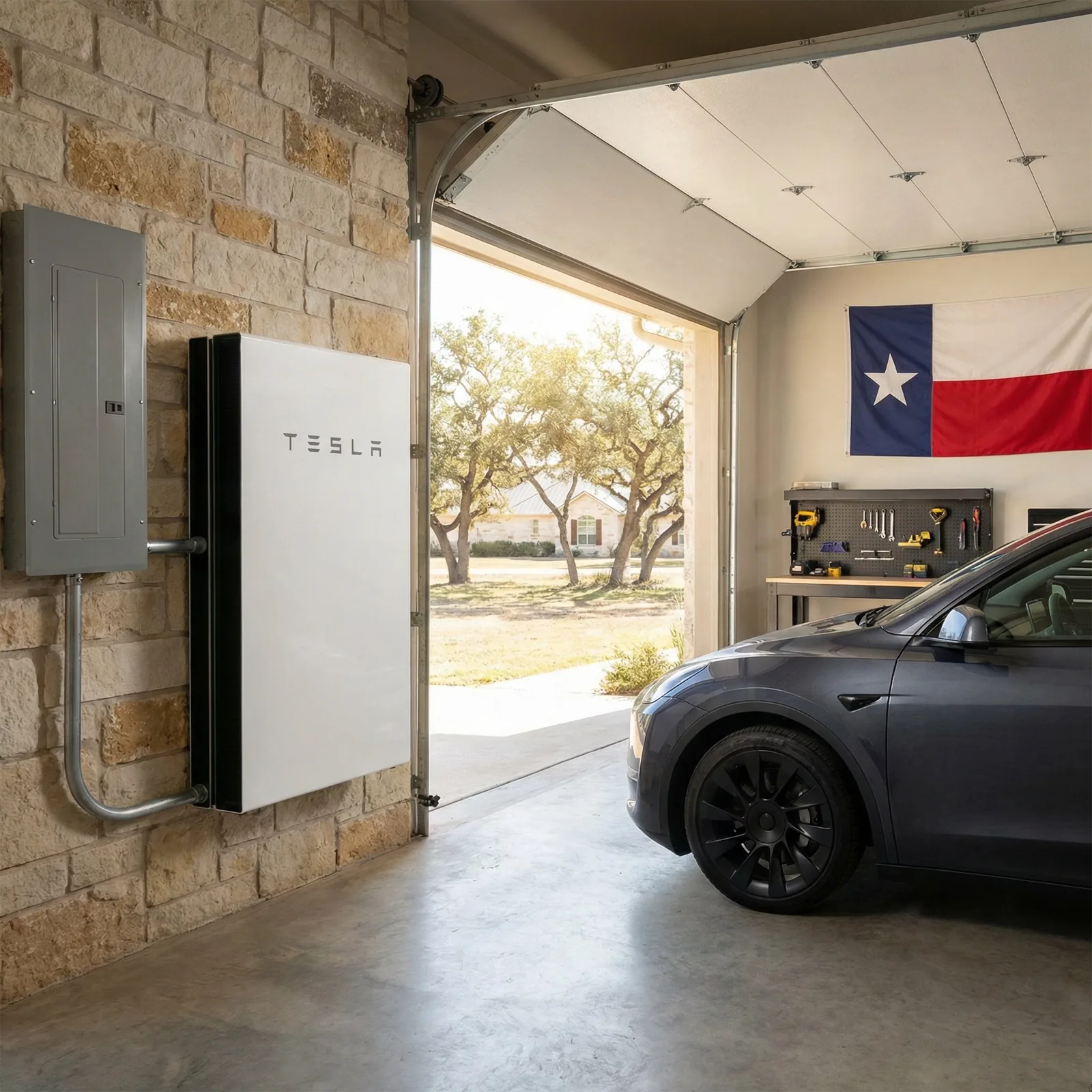
- Battery capacity
- Backup load selection
- Electrical panel configuration
- Brand selection
However, many homeowners qualify for the 30% Federal Tax Credit on battery installations.
When you factor in:
- Reduced grid purchases
- Avoided peak pricing
- Long-term rate protection
- Outage protection value
Battery storage often makes more financial sense than continuing to lose export value year after year.
We provide a custom savings projection based on your actual production data.
Frequently Asked Questions
It depends on system size and usage patterns, but many homeowners significantly reduce or stabilize their bills.
Not always. Many systems can integrate storage without full inverter replacement.
Typically 1–2 days, depending on configuration.
You can choose between critical load backup or whole-home backup depending on system size.
Yes. Battery retrofits can typically be installed independently.