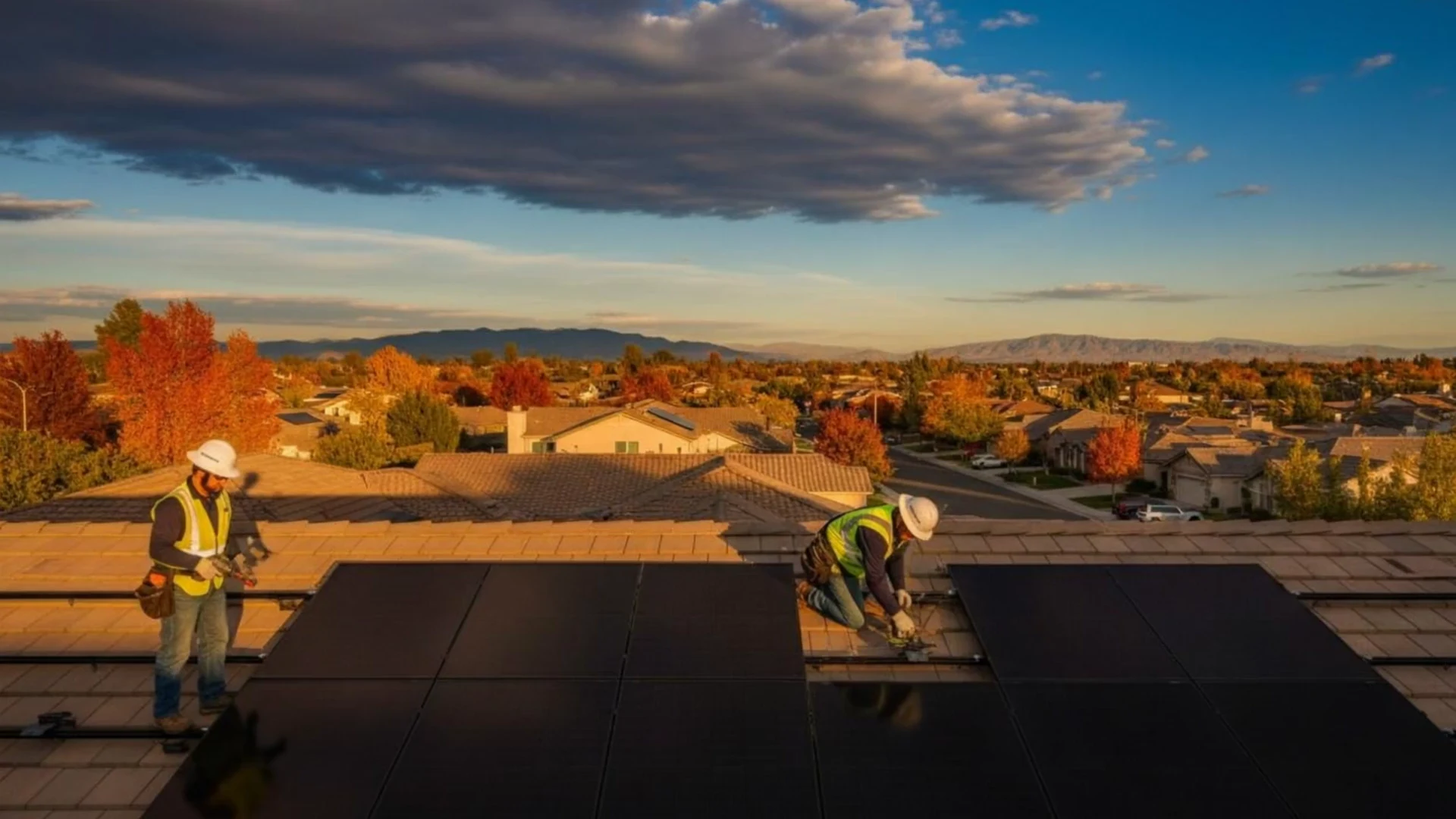
Solar Not Worth It in Texas?
If your savings dropped or your bill is higher than expected, it’s fair to ask the question.

Solar Is Still Worth It — But The Rules Changed
Solar did not suddenly stop working.
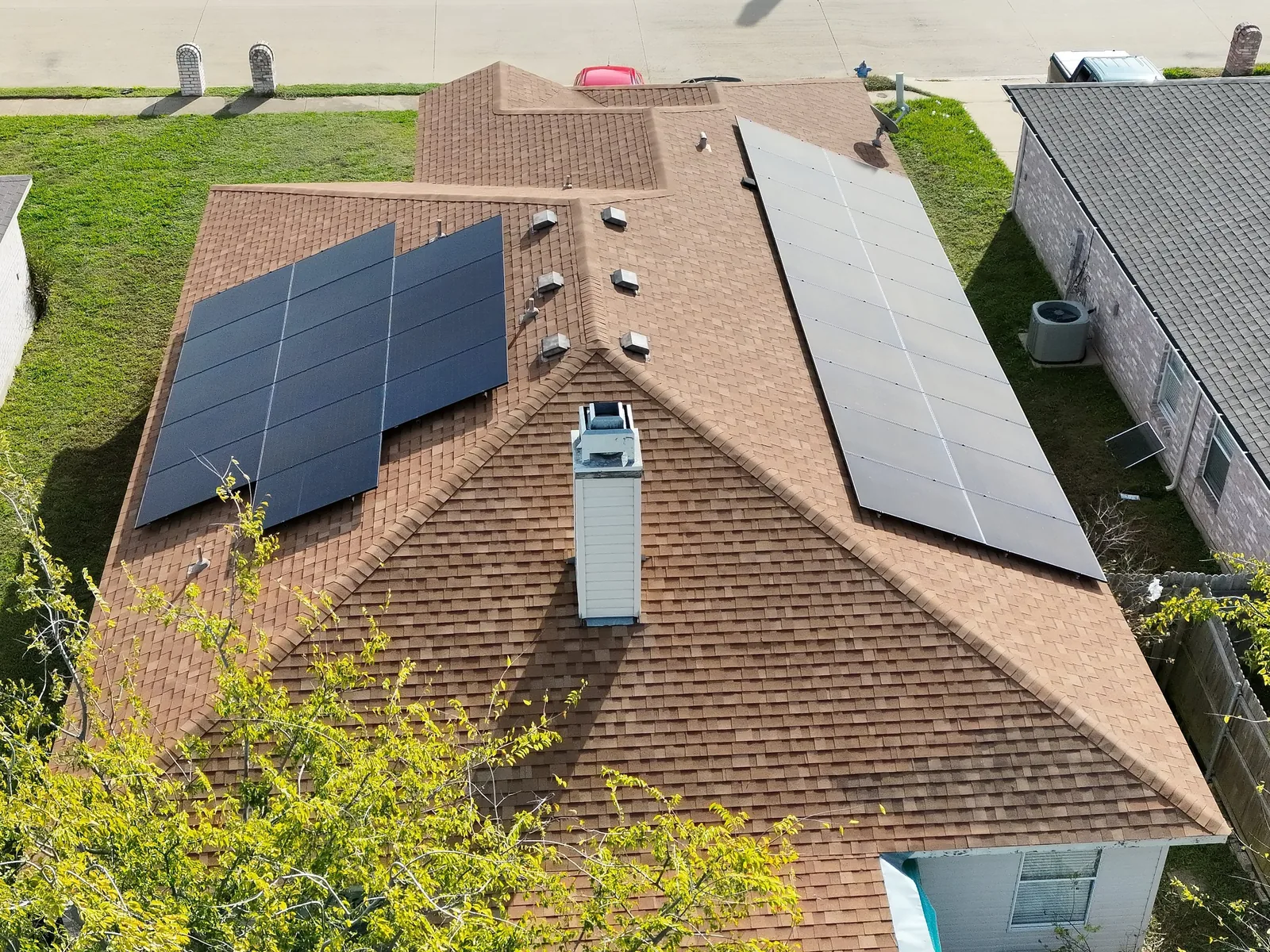
What changed in Texas is:
- Buyback compensation
- Retail rate structures
- Export credit math
- Contract renewals
Several years ago, many homeowners received near-retail export credit.
Today, some plans credit as little as 2–5¢ per kWh.
If you buy electricity at 14–18¢ per kWh, that difference changes your ROI.
Solar production remained steady.
Compensation shifted.
Why It Feels Like Solar Was a Bad Investment
You likely installed solar expecting:

- Extremely low electric bills
- Predictable savings
- Stable long-term returns
If your bill is:
- Higher than expected
- Fluctuating month to month
- Increasing after plan renewal
It creates doubt.
But in most cases, the issue is not the panels.
It’s the rate structure around them.
Situations Where Solar Underperforms Financially
Solar can feel less valuable if:

- Buyback credits are low
- Retail rates increased
- Household consumption increased
- Evening usage is high
- Free nights plans devalue daytime exports
Without storage, many homeowners:
- Export daytime production cheaply
- Buy back power at higher retail rates
That spread erodes savings.
Should You Remove Your Solar Panels?
In almost all cases, no.
Solar panels still:
- Reduce daytime grid imports
- Offset peak production hours
- Lower total annual consumption
The issue is not that solar “doesn’t work.”
It’s that the financial strategy may be incomplete.
Removing solar rarely improves the situation.
Refining the system usually does.
How Texas Solar Owners Are Making It Worth It Again
There are three common strategies:
1\. Switching Retail Providers
This may temporarily improve buyback credits.
However, retail structures can change again.
2\. Reducing Consumption
Energy efficiency improvements can lower overall usage.
Helpful — but does not fix low export compensation.
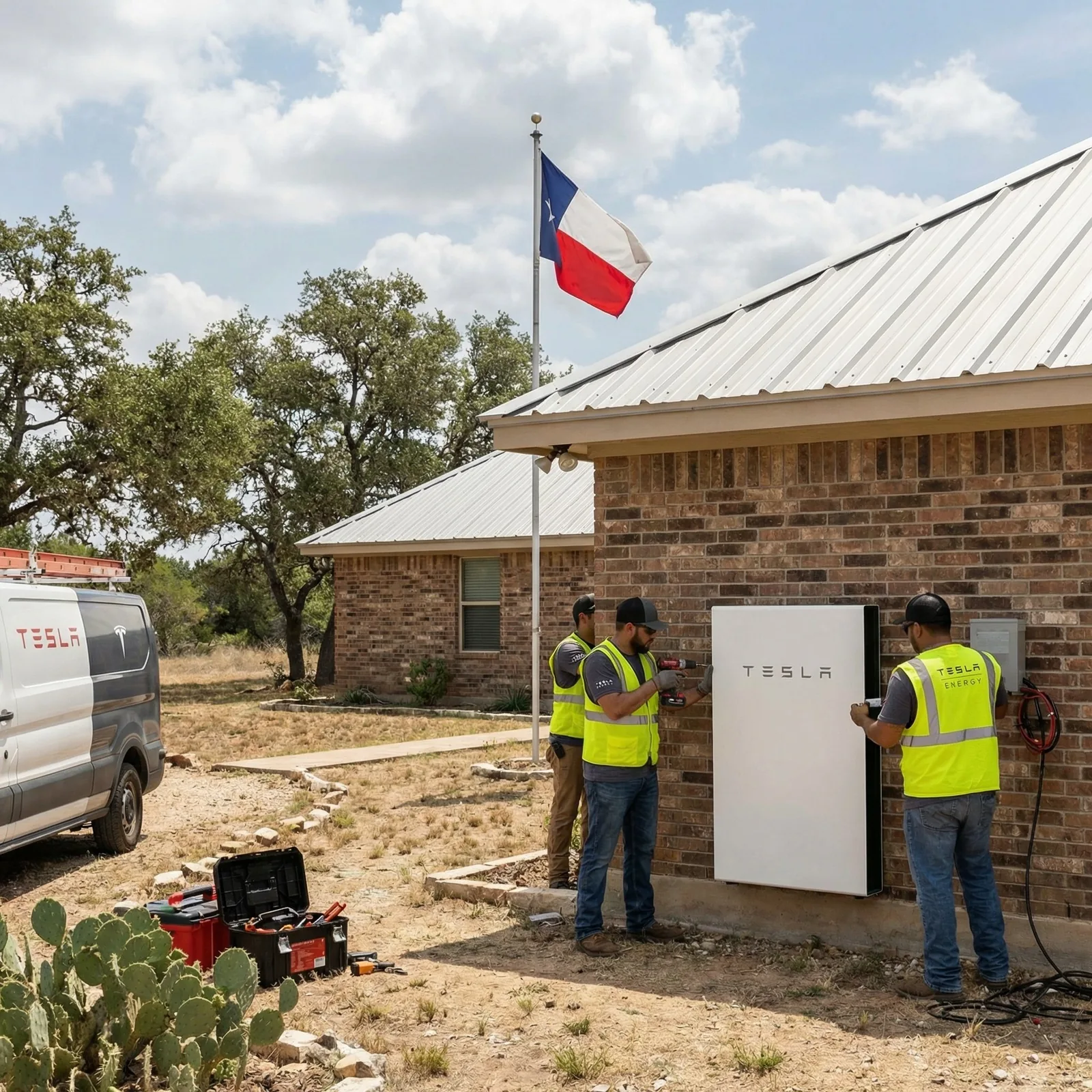
3\. Adding Battery Storage
Battery storage allows you to:
- Store excess daytime solar production
- Reduce low-value exports
- Use stored energy at night
- Offset higher retail rates
- Stabilize long-term savings
Instead of selling energy cheaply and buying it back at higher prices, you increase self-consumption.
Solar generates.
Storage protects the value of that generation.
The Better Question Isn’t “Is Solar Worth It?”
The better question is:
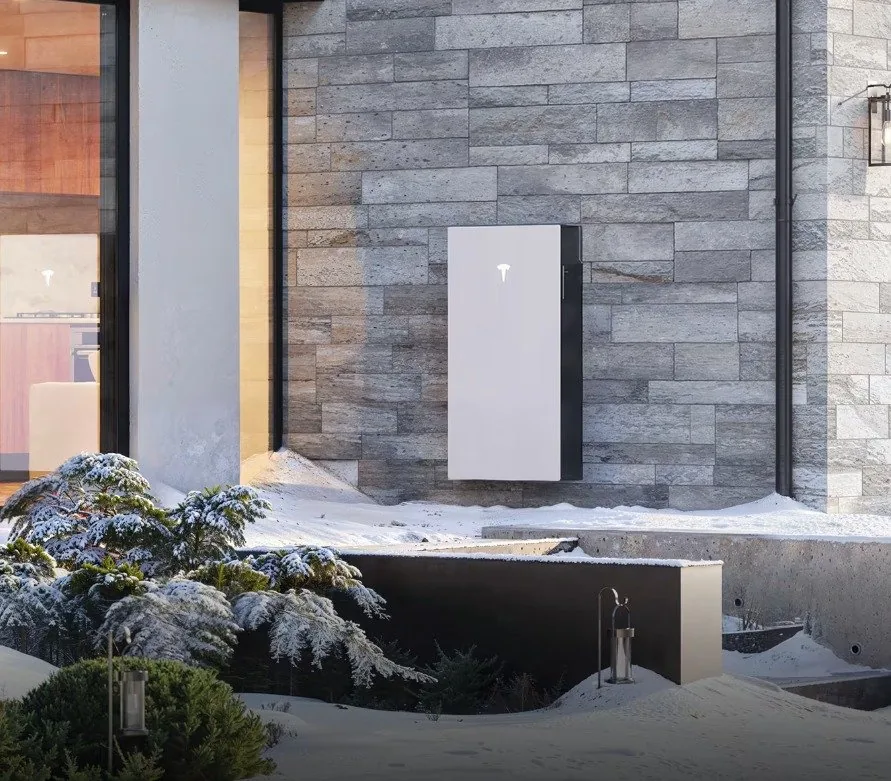
Is your current rate structure aligned with your system?
Texas operates under a deregulated market.
Buyback programs are voluntary.
Compensation changes.
If the environment shifted, your strategy must shift with it.
Solar remains valuable.
It simply requires adaptation.
Frequently Asked Questions
Yes, but savings depend heavily on rate structure and self-consumption strategy.
Many retail providers reduced export compensation over recent years.
In most cases, removal does not improve financial performance.
Yes, by reducing reliance on low export credits.
For most homeowners, no. The compensation environment changed after installation.