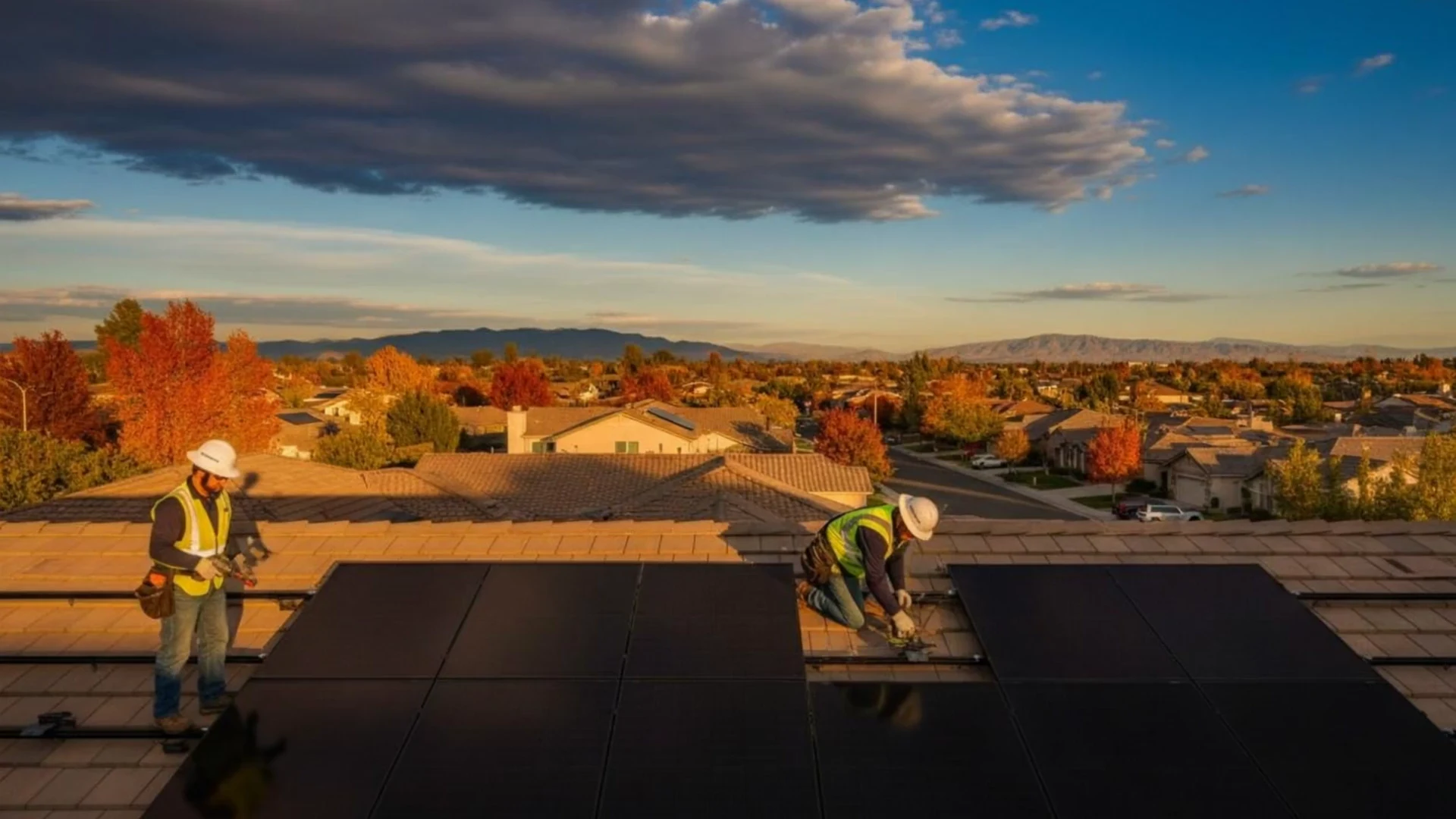
Solar Panel Removal & Reinstallation in Cape Coral, FL
America’s #1 Choice for Energy Independence
We handle removal, storage, and reinstallation — coordinating with your roofer so your project runs smoothly from start to finish.
By submitting or calling, you consent to receive calls and SMS from The Light Group USA at the number provided, including via auto-dialer or pre-recorded messages. Consent is not required for purchase. Msg/data rates may apply. Reply STOP to opt out. See our Privacy Policy.

Protect your roof and your solar investment
Let professionals handle your solar panel removal the right way.
By submitting or calling, you consent to receive calls and SMS from The Light Group USA at the number provided, including via auto-dialer or pre-recorded messages. Consent is not required for purchase. Msg/data rates may apply. Reply STOP to opt out. See our Privacy Policy.
Panel removal and reinstall in Cape Coral
Almost every panel removal in Cape Coral begins with a roofing estimate, not with the solar system. The roofer quotes the tear-off, then adds the line nobody expects: he does not touch solar. The array has to come down first, stay protected while the deck is opened up, and go back on afterward. Homeowners along Del Prado Boulevard usually discover at that moment that their original installer is no longer answering the phone.
This is a city built on water frontage, and salt does not stop at the seawall. Onshore air carries it over canal-front lots and inland blocks alike, and it goes after aluminum rails, stainless hardware, grounding lugs and MC4 connector housings long before it bothers the glass. Corrosion works inside the connector shell where nobody can see it. A roof replacement is the one time in twenty years that all of it is in reach.
The panels themselves are fragile in ways that do not show up until months later. A module laid face down on a driveway, stacked without separators, or lifted by one long edge can pick up cracks in the cells that no visual check catches. Output drops quietly, string by string, and the warranty claim gets denied because the damage happened during handling. How the modules are carried and stored matters as much as how they are mounted.
Electric service here comes from LCEC, a member-owned cooperative rather than an investor-owned utility, so its interconnection and credit rules are its own. That affects what paperwork a reconnected system needs. Removal and reinstallation is scheduled work, never an emergency, which is exactly why it fits a route covered from Orlando and Tampa with a real date on the calendar rather than a same-day scramble.
On a Cape Coral removal we get these right
Common questions about solar service in Cape Coral
Yes. A tear-off removes the surface directly beneath the array, so modules, rails and mounts all have to be taken down and the old penetrations sealed by the roofer. Nothing can be shingled around a mounted array. The job runs in two visits: removal before the roofer starts, reinstallation once the new roof is finished.
That depends on which of three separate warranties applies, which is why the split is agreed in writing before work starts. The panel manufacturer covers the module, the inverter manufacturer covers the electronics, and the roofer covers the roofing system. New penetrations and flashing made during reinstallation are ours, and they get documented with photos.
As long as the roof takes, which is typically days but can stretch to weeks if decking is replaced or storms push the schedule. The limiting factor is storage, not time: panels kept upright on edge with separators, covered and off the ground, hold up fine. Loose stacking is what damages them.
LCEC is a member-owned cooperative and writes its own interconnection and credit rules, so requirements are not the same as an investor-owned utility. We confirm the account and the current terms from the meter and the bill before scheduling, and handle the reconnection paperwork the co-op asks for rather than assuming the original approval still stands.
Yes, and orphaned systems are a large share of this work. Without an installer there is often no as-built drawing, no monitoring login and no string map, so we rebuild the documentation during removal: photographed rows, labeled strings, module and inverter model numbers. You end the project with a record you can hand to anybody in the future.
Other solar work we do here
Panel Removal & Reinstallation near Cape Coral
Crews based in Orlando and Tampa, covering 217 cities statewide.
We also cover Florida Panhandle, North Florida, Northeast Florida, Central Florida, Space Coast, Tampa Bay, Treasure Coast, South Florida. See every Florida city we service.