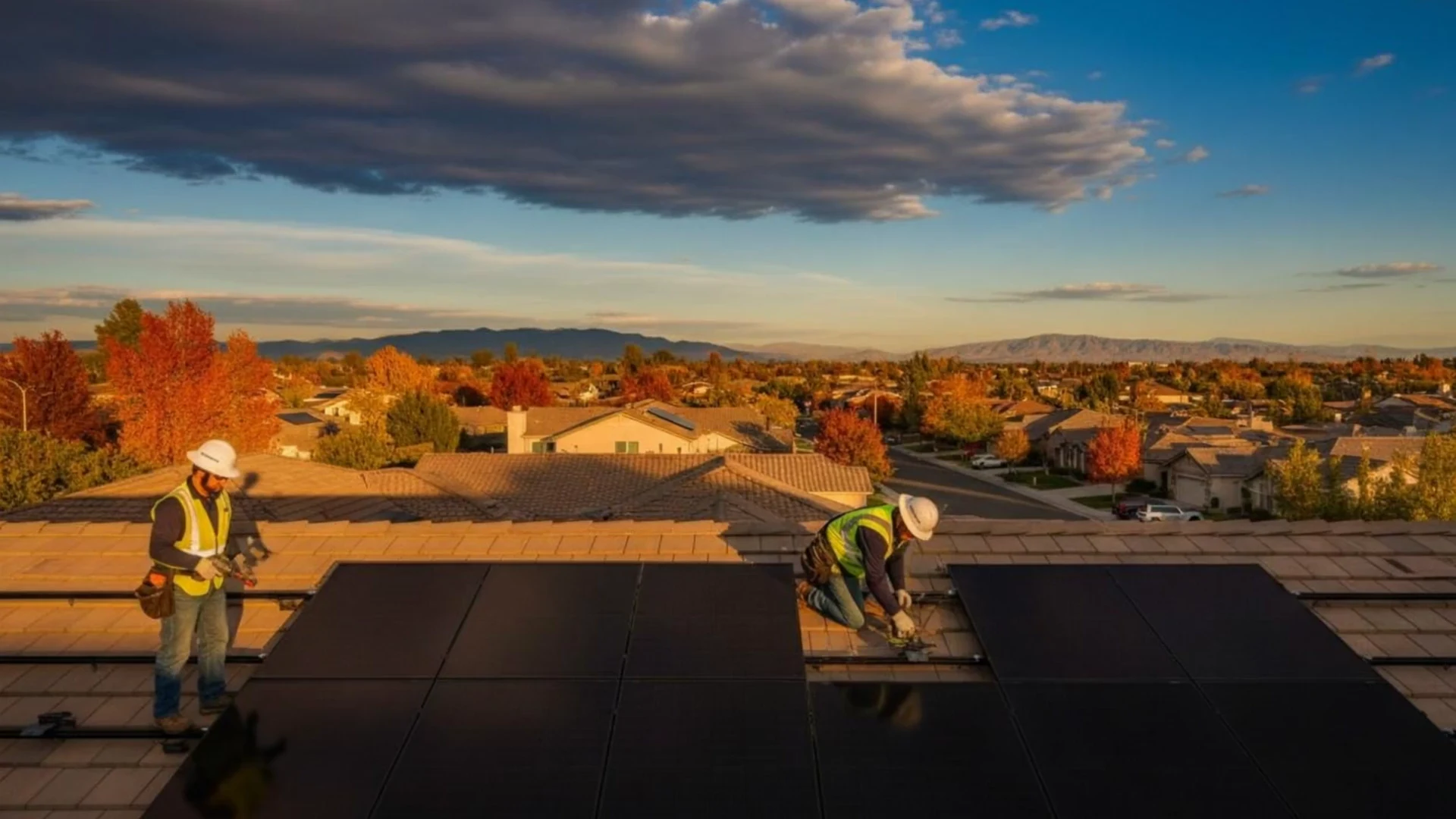
Solar Panel Removal & Reinstallation in Gainesville, FL
America’s #1 Choice for Energy Independence
We handle removal, storage, and reinstallation — coordinating with your roofer so your project runs smoothly from start to finish.
By submitting or calling, you consent to receive calls and SMS from The Light Group USA at the number provided, including via auto-dialer or pre-recorded messages. Consent is not required for purchase. Msg/data rates may apply. Reply STOP to opt out. See our Privacy Policy.

Protect your roof and your solar investment
Let professionals handle your solar panel removal the right way.
By submitting or calling, you consent to receive calls and SMS from The Light Group USA at the number provided, including via auto-dialer or pre-recorded messages. Consent is not required for purchase. Msg/data rates may apply. Reply STOP to opt out. See our Privacy Policy.
Panel removal and reinstall in Gainesville
In Gainesville the electric utility is the city itself. Gainesville Regional Utilities is municipally owned, which means its interconnection requirements and the way it credits exported energy are set locally rather than by the rules that govern FPL, Duke or Tampa Electric. Anyone reconnecting a system after a roof replacement deals with GRU on GRU's terms, and that is a different conversation than the one homeowners elsewhere in Florida are having.
The housing around the University of Florida campus and Ben Hill Griffin Stadium is a genuine mix: long-held single-family homes, properties bought as investments, and additions built decades apart on the same roof. Arrays get inherited with the deed. When the shingles finally give out, the owner learns that the roofer will not touch the panels and that the installer's contact number belongs to somebody else now.
Alachua County is well inland, so salt corrosion is not the failure mode here. Heat is, along with oak litter, pollen and the shade patterns of a heavily canopied city. Those cost output slowly and never throw an error code. A removal puts every rail, lug and connector within arm's reach for the first time since installation, which is the practical reason to inspect rather than simply unbolt and rebolt.
None of this is urgent work, and treating it as urgent is how mistakes get made. Roof dates are known weeks in advance, so the removal and the reinstallation each get their own slot around the roofer's schedule, with the panels stored properly in between. Gainesville is covered on a planned route from Orlando, with dates fixed before the tear-off rather than a crew scrambled on the morning the dumpster shows up in the driveway.
On a Gainesville removal we get these right
Common questions about solar service in Gainesville
Yes. Gainesville Regional Utilities is municipally owned and sets its own interconnection requirements and credit rules, rather than following the retail-rate crediting used by the large investor-owned utilities. That means the paperwork and conditions for putting a removed system back online are GRU's, and we confirm the current requirements with the utility before reinstallation is scheduled.
You can, and sometimes the roofing schedule forces it, but the panels need proper storage the whole time. Modules kept upright on edge with separators, covered and off the ground, are fine for weeks. Panels stacked flat, leaned against a wall, or left in a bed of a truck are how cell cracks and frame damage happen.
It is common with inherited and orphaned systems, and it is fixable during this project. While the array is down we record inverter and module models, serials and string configuration, which is exactly what a manufacturer needs to reissue portal access. You end up with documentation the property did not have before the roof was touched.
Damage caused during removal, storage or reinstallation is on the contractor who handled it, which is why the module count and condition are documented with photos at teardown and again before remounting. Manufacturer warranties do not cover handling damage, so the written record at both ends is what keeps that question from turning into an argument.
With a written sequence agreed before either trade starts: we remove and secure the array, the roofer seals the old penetrations and completes the tear-off, and we return once the new roof is finished and inspected. Each side signs off on its own scope. That is what keeps warranty responsibility clear if a leak ever appears.
Other solar work we do here
Panel Removal & Reinstallation near Gainesville
Crews based in Orlando and Tampa, covering 217 cities statewide.
North Florida
- Bradfordville
- Gainesville
- Tallahassee
We also cover Florida Panhandle, Northeast Florida, Central Florida, Space Coast, Tampa Bay, Southwest Florida, Treasure Coast, South Florida. See every Florida city we service.