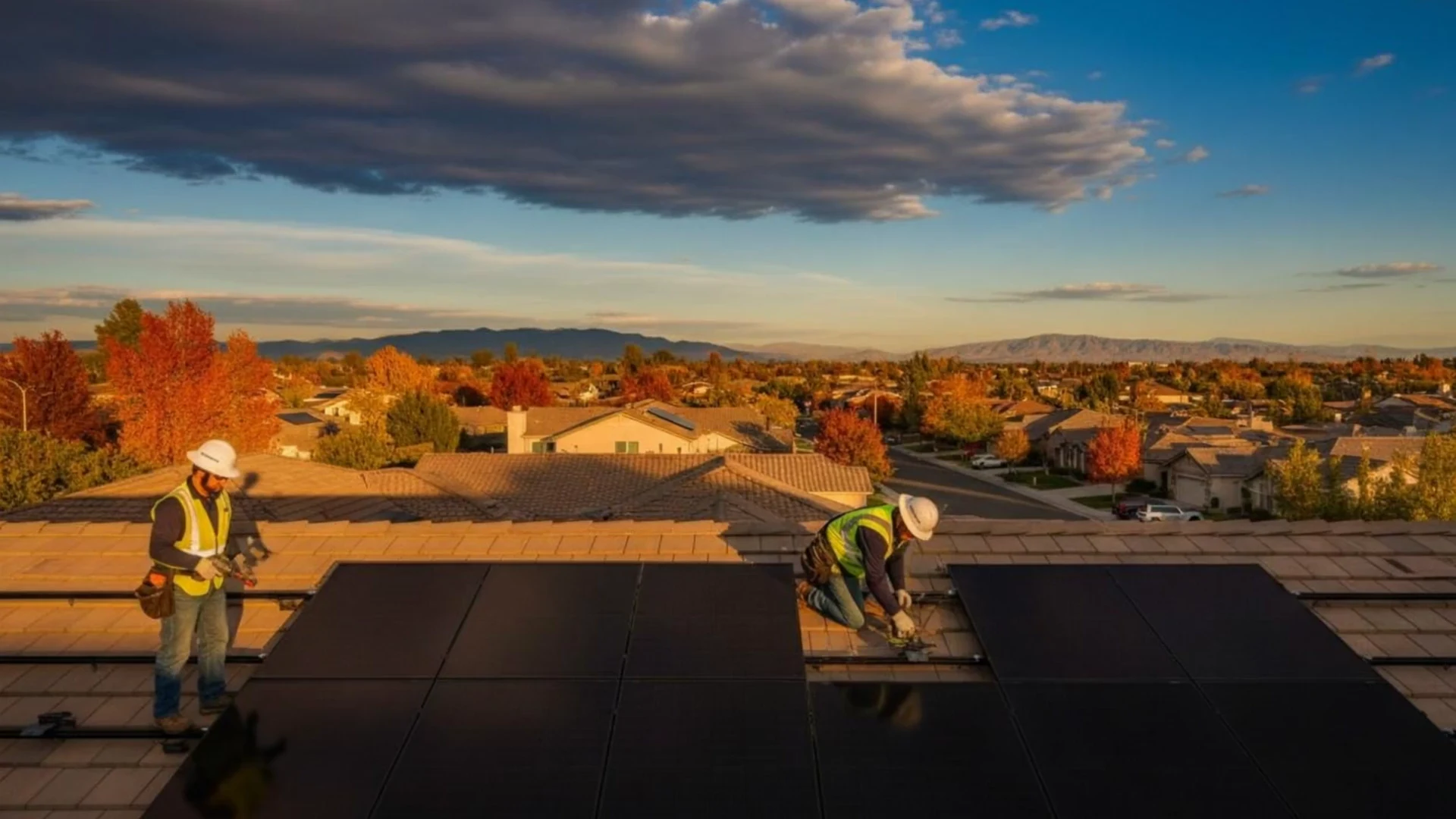
Solar Panel Removal & Reinstallation in Jacksonville Beach, FL
America’s #1 Choice for Energy Independence
We handle removal, storage, and reinstallation — coordinating with your roofer so your project runs smoothly from start to finish.
By submitting or calling, you consent to receive calls and SMS from The Light Group USA at the number provided, including via auto-dialer or pre-recorded messages. Consent is not required for purchase. Msg/data rates may apply. Reply STOP to opt out. See our Privacy Policy.

Protect your roof and your solar investment
Let professionals handle your solar panel removal the right way.
By submitting or calling, you consent to receive calls and SMS from The Light Group USA at the number provided, including via auto-dialer or pre-recorded messages. Consent is not required for purchase. Msg/data rates may apply. Reply STOP to opt out. See our Privacy Policy.
Panel removal and reinstall in Jacksonville Beach
Jacksonville Beach roofs work harder than most, and the re-roof is what usually puts a solar array on the schedule. A homeowner on the blocks running back from the oceanfront at the east end of Beach Boulevard books the roofing work, then learns the roofing crew will not detach the panels and the original solar company is unreachable. Removal and reinstallation is a separate trade, and it has to be lined up before tear-off day, not after.
One thing sets this city apart from most of Florida. Electric service here comes from Beaches Energy Services, a municipal utility owned by the City of Jacksonville Beach. Municipals are not bound by the retail-rate export credit that FPL, Duke and Tampa Electric apply, and they write their own interconnection rules. Before a system comes off a roof, it is worth knowing exactly what the utility expects when it goes back on.
Then there is the ocean. On an oceanfront town, corrosion attacks rails, lag hardware, grounding lugs and the inside of MC4 housings well before it touches the glass, and it does it out of sight. Taking the array down is the only realistic chance to inspect the underside of a system. Pitted hardware gets replaced then, while it is reachable and cheap, instead of being sealed under a new roof.
The reinstall itself is craftsmanship. Penetrations must land in rafters, flashing tucks under the course above, clamps get torqued to specification, and connectors get matched by manufacturer. All of it is planned work rather than emergency work, which is what allows a crew dispatched from Orlando or Tampa to commit to a real window built around the roofer's calendar: array down before tear-off, stored while the deck is rebuilt, back up after the roofing inspection clears.
On a Jacksonville Beach removal we get these right
Common questions about solar service in Jacksonville Beach
No, and that is the important difference here. FPL, Duke Energy Florida and Tampa Electric credit exported energy at the retail rate. Beaches Energy Services is a municipal utility owned by the City of Jacksonville Beach and sets its own interconnection and credit rules. We confirm the current requirements with the utility before the system comes off the roof.
Usually yes for a municipal utility, and it is cheap insurance either way. A system that disappears from the grid and reappears weeks later, with a permit and an inspection in between, is easier for everyone when the utility knew it was coming. That notification gets handled as part of the job rather than left to the homeowner.
It affects the metal, not the glass. Panels are sealed; the racking, fasteners, ground lugs and connector housings that hold them are not, and salt gets inside those housings where nothing is visible. That is why the inspection during removal focuses on the underside of the array, which is the only part of the system nobody has looked at in years.
It depends entirely on who made the penetration, which is why the sequence is written down before work starts. The roofer owns the roof surface and the dry-in while the deck is open. Reinstallation mounts and their flashing belong to the solar scope. Documented, dated photos of every penetration are what keep that from becoming a dispute.
That is how this work is planned. Removal and reinstallation is scheduled work, never an emergency call, so the roofing date drives everything. The array comes down before tear-off, stays in secure storage while the roof is rebuilt, and goes back once the new roof has passed inspection. Jacksonville Beach is covered from Orlando and Tampa on a committed window.
Other solar work we do here
Panel Removal & Reinstallation near Jacksonville Beach
Crews based in Orlando and Tampa, covering 217 cities statewide.
Northeast Florida
We also cover Florida Panhandle, North Florida, Central Florida, Space Coast, Tampa Bay, Southwest Florida, Treasure Coast, South Florida. See every Florida city we service.