Solar Panel Repair & Maintenance in Ormond Beach, FL
America’s #1 Choice for Energy Independence
Crews in Orlando and Tampa covering Volusia County. Free inspection, no obligation.
By submitting or calling, you consent to receive calls and SMS from The Light Group USA at the number provided, including via auto-dialer or pre-recorded messages. Consent is not required for purchase. Msg/data rates may apply. Reply STOP to opt out. See our Privacy Policy.
Solar service in Ormond Beach
Ormond Beach sits directly on the Atlantic, and that is not background detail. It is the entire maintenance story. The city runs from the barrier island in 32176 across the Halifax to the mainland side in 32174, and the salt load thins as you move west without ever disappearing. Around 44,600 people live under that air, and on the island side hardware ages on a completely different clock than it does inland.
Salt does not attack the panels. Glass and anodized frames hold up well. What corrodes is everything holding the array together and grounding it: rail splices, mixed stainless and aluminum fastener pairs, grounding lugs, and the pins inside MC4 connectors. That last one causes the most trouble, because the corrosion happens inside the housing where nothing is visible from a ladder. It shows up as resistance, then heat, then an open circuit.
Electric service comes from Florida Power & Light. Florida's market is regulated, so the utility follows the address rather than being chosen, and FPL credits energy you export at the full retail rate, kilowatt-hour for kilowatt-hour. That arrangement is clean and it raises the stakes on maintenance: every point of production lost to a corroded connector is worth full retail price, not some wholesale fraction of it.
Hurricane season runs June 1 through November 30, and this stretch of coast meets the wind first. Central Florida is also the most lightning-struck region in the country, so grounding here is doing two jobs at once: carrying a fault safely away, and doing it through hardware that salt is patiently turning into an insulator. A corroded ground lug on an oceanfront roof is not a cosmetic issue.
On a Ormond Beach system we look at these
We keep your solar system running at peak performance
From expert repairs to proactive maintenance, our team helps keep your solar system efficient, protected, and hassle-free. Whether you need a quick fix or ongoing support, we make it easy to restore performance and prevent future issues.

Simple, stress-free service process
Free Inspection
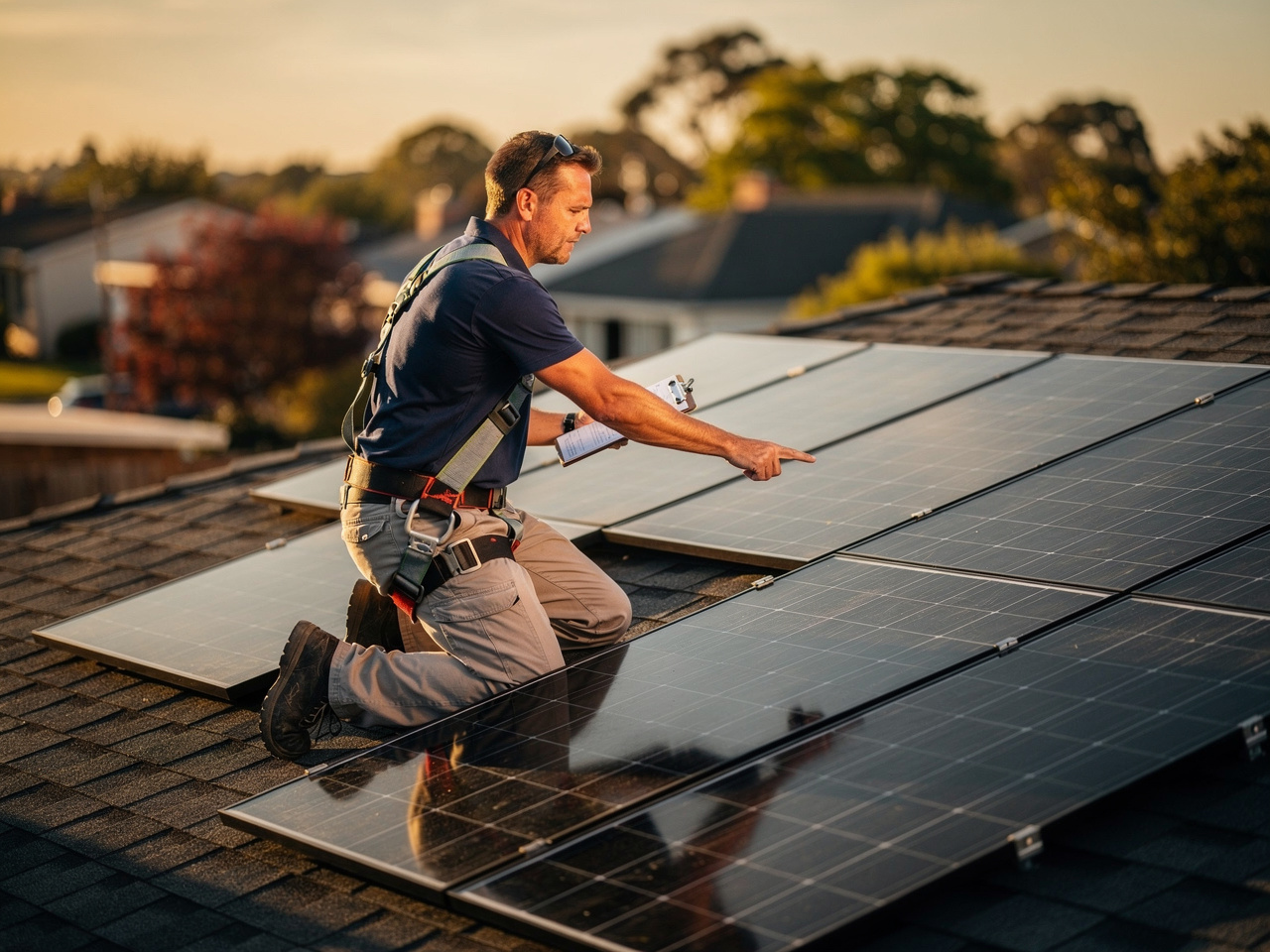
We assess your system, identify issues, and check overall performance.

Clear Recommendations
You get a simple action plan with clear next steps and no confusion.
Expert Repair or Maintenance
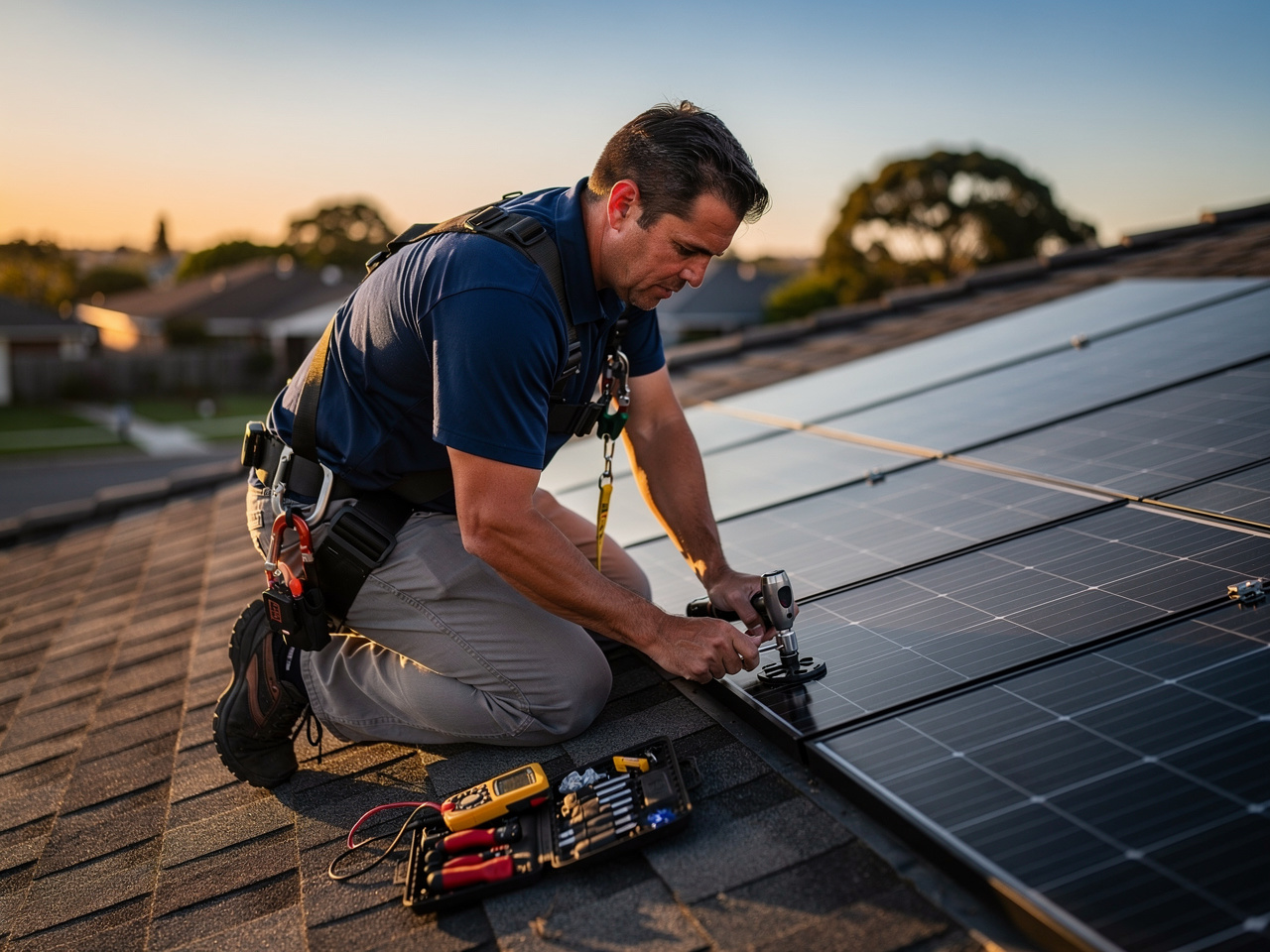
Our technicians complete the work needed to restore and optimize your system.
Ongoing Performance
We help you keep everything running efficiently with continued support and monitoring options.
Common questions about solar service in Ormond Beach
Completely normal, and it is why oceanfront systems get neglected. Tempered glass and anodized frames tolerate salt air well. The corrosion happens on the hardware underneath and inside the connector housings, where you cannot see it from a ladder. Appearance is the least reliable indicator of condition on a coastal roof.
Yes. Salt deposition falls off with distance from the surf, so a system in 32176 takes a heavier load than one several miles inland in 32174. Both are coastal exposure and both warrant attention on connectors and grounding hardware, but the island side reaches a given condition considerably sooner.
More often than an inland one, and the practical rhythm is annually, timed before hurricane season opens on June 1. That schedule catches corrosion while it is still a cleaning and re-torquing job rather than a replacement, and it means loose attachments get found before the first serious wind event tests them.
FPL credits exported solar at the retail rate, one kilowatt-hour for one. Florida is a regulated market, so FPL comes with your address rather than being a choice. The practical consequence is that lost production is expensive: a corroded connector costs you energy valued at the same rate you pay to buy it back.
The useful work happens before the season, not the week of a storm. Attachments verified and torqued, flashing intact, loose conduit secured and the grounding path tested. Once a system is properly fastened there is nothing to take down or stow, and climbing on a roof ahead of high wind is not advisable.
Get your solar system back to full performance
Don't let hidden issues cost you money. Let's fix it fast.
By submitting or calling, you consent to receive calls and SMS from The Light Group USA at the number provided, including via auto-dialer or pre-recorded messages. Consent is not required for purchase. Msg/data rates may apply. Reply STOP to opt out. See our Privacy Policy.
Solar Service & Repair near Ormond Beach
Crews based in Orlando and Tampa, covering 217 cities statewide.
Central Florida
- Altamonte Springs
- Apopka
- Casselberry
- Clermont
- Daytona Beach
- DeBary
- DeLand
- Deltona
- Edgewater
- Eustis
- Groveland
- Holly Hill
- Kissimmee
- Lady Lake
- Lake Mary
- Leesburg
- Liberty Triangle
- Longwood
- Maitland
- Marion Oaks
- Minneola
- Mount Dora
- New Smyrna Beach
- Ocala
- Ocoee
- Orange City
- Orlando
- Ormond Beach
- Oviedo
- Port Orange
- Sanford
- Silver Springs Shores
- South Daytona
- St. Cloud
- Tavares
- The Villages
- Wildwood
- Winter Garden
- Winter Park
- Winter Springs
We also cover Florida Panhandle, North Florida, Northeast Florida, Space Coast, Tampa Bay, Southwest Florida, Treasure Coast, South Florida. See every Florida city we service.