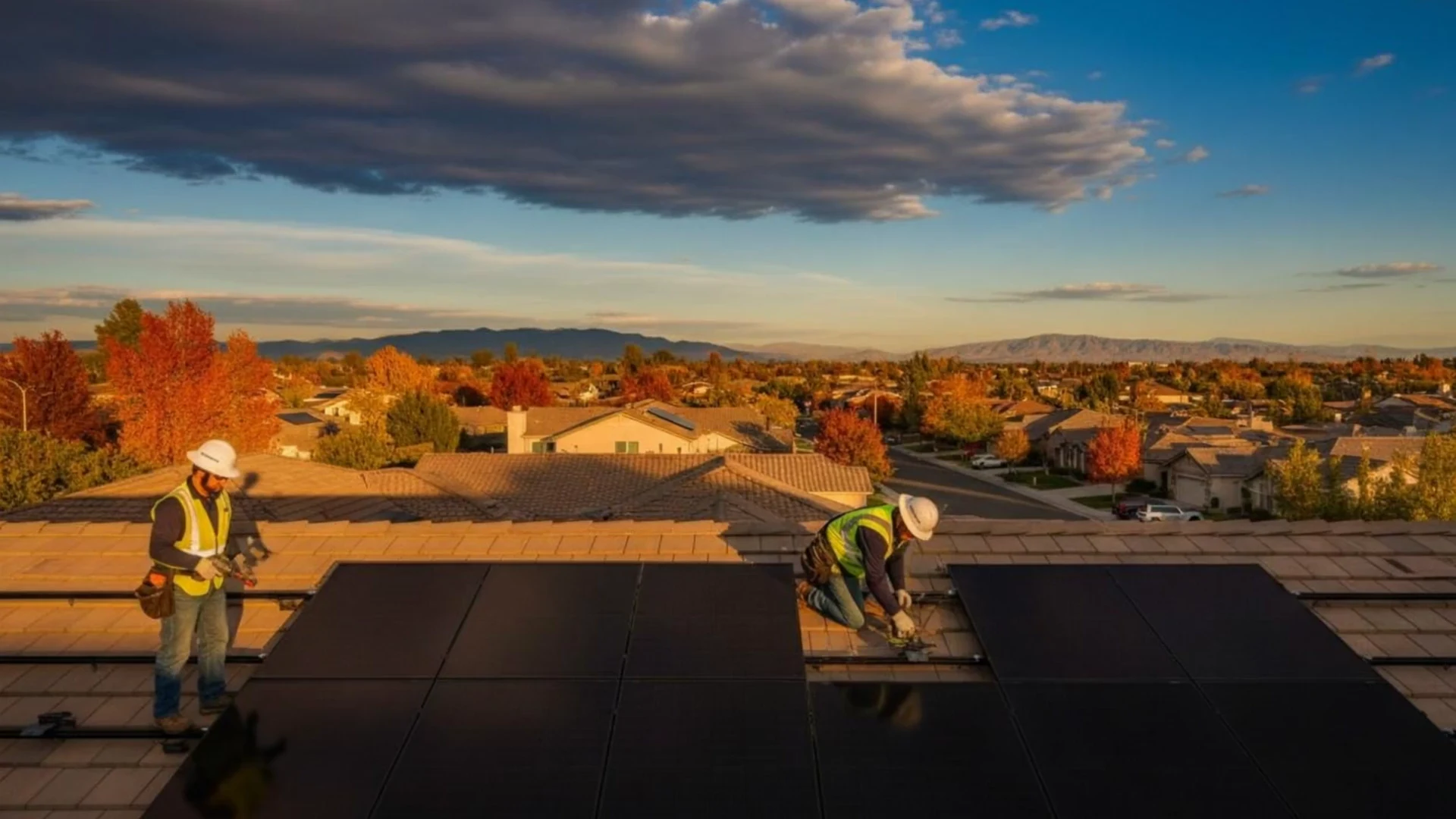
Solar Panel Removal & Reinstallation in Panama City, FL
America’s #1 Choice for Energy Independence
We handle removal, storage, and reinstallation — coordinating with your roofer so your project runs smoothly from start to finish.
By submitting or calling, you consent to receive calls and SMS from The Light Group USA at the number provided, including via auto-dialer or pre-recorded messages. Consent is not required for purchase. Msg/data rates may apply. Reply STOP to opt out. See our Privacy Policy.

Protect your roof and your solar investment
Let professionals handle your solar panel removal the right way.
By submitting or calling, you consent to receive calls and SMS from The Light Group USA at the number provided, including via auto-dialer or pre-recorded messages. Consent is not required for purchase. Msg/data rates may apply. Reply STOP to opt out. See our Privacy Policy.
Panel removal and reinstall in Panama City
Panama City sits on St. Andrews Bay, and Harrison Avenue downtown is a short distance from open water in almost every direction. The bay is not a milder version of the coast for anything metal bolted to a roof. Salt-laden air moves inland with the wind, and on a solar array it goes after the racking, the tie-down hardware and the connectors long before anyone notices a change in the glass.
Most removals here begin with a roof replacement rather than a problem with the system. Across 32401, 32404 and 32405, a homeowner schedules the roof, then finds out the roofing crew does not handle solar and the original installer is no longer in business. The array has to come down cleanly, be stored somewhere safe for the length of the job, and go back onto a completely new surface.
This is the far end of the Panhandle relative to Orlando and Tampa, and that is worth saying plainly rather than dressing up. It shapes how the work is planned: dates locked well in advance, the removal treated as one mobilization and the reinstallation as another, both scheduled against the roofer's calendar. Because this is planned work and never an emergency, that structure is a strength instead of a limitation.
FPL serves these addresses and credits exported power at the retail rate, so the account arrangement survives the project untouched. What decides the outcome is the reinstallation itself: penetrations landing in framing, flashings integrated under the course above, clamps torqued to specification and connectors kept to a single manufacturer. Done correctly, the system returns producing what it did, with paperwork matching what is actually on the roof.
On a Panama City removal we get these right
Common questions about solar service in Panama City
Yes, as scheduled work. Coverage runs from Orlando and Tampa, and this kind of project is planned weeks ahead around a roofing date rather than dispatched on short notice. Both visits, the removal before the tear-off and the reinstallation after the new roof passes, are booked as fixed dates so the roofer can plan around them.
For metal hardware, yes, it is a serious exposure. Salt-laden air moves off St. Andrews Bay and corrodes grounding lugs, clamp bolts, rail splices and the inside of connector housings, all of it hidden from view. The modules usually outlast the hardware holding them, which is why removal is when that hardware gets examined.
As long as the roof takes, which is set by the roofing contractor rather than by the solar work. Removal is typically a single day and reinstallation is similar. Everything in between is roofing time, and stored modules do not degrade from waiting as long as they are dry, shaded, on edge and separated.
The interconnection stays tied to the address and the system, and FPL credits exports at the retail rate. What has to happen first is the electrical reinspection and re-energizing, and then confirmation that the inverter is actually producing and reporting again. Verifying output after reconnection is part of the job, not an assumption.
It depends on which company created the condition, which is why it gets documented. The roofer warrants the roof, the reinstallation warrants the mounts and flashings it created, and the manufacturers cover the panels and inverter. Writing those boundaries down at the end of the project is what makes the answer available later.
Other solar work we do here
Panel Removal & Reinstallation near Panama City
Crews based in Orlando and Tampa, covering 217 cities statewide.
We also cover North Florida, Northeast Florida, Central Florida, Space Coast, Tampa Bay, Southwest Florida, Treasure Coast, South Florida. See every Florida city we service.