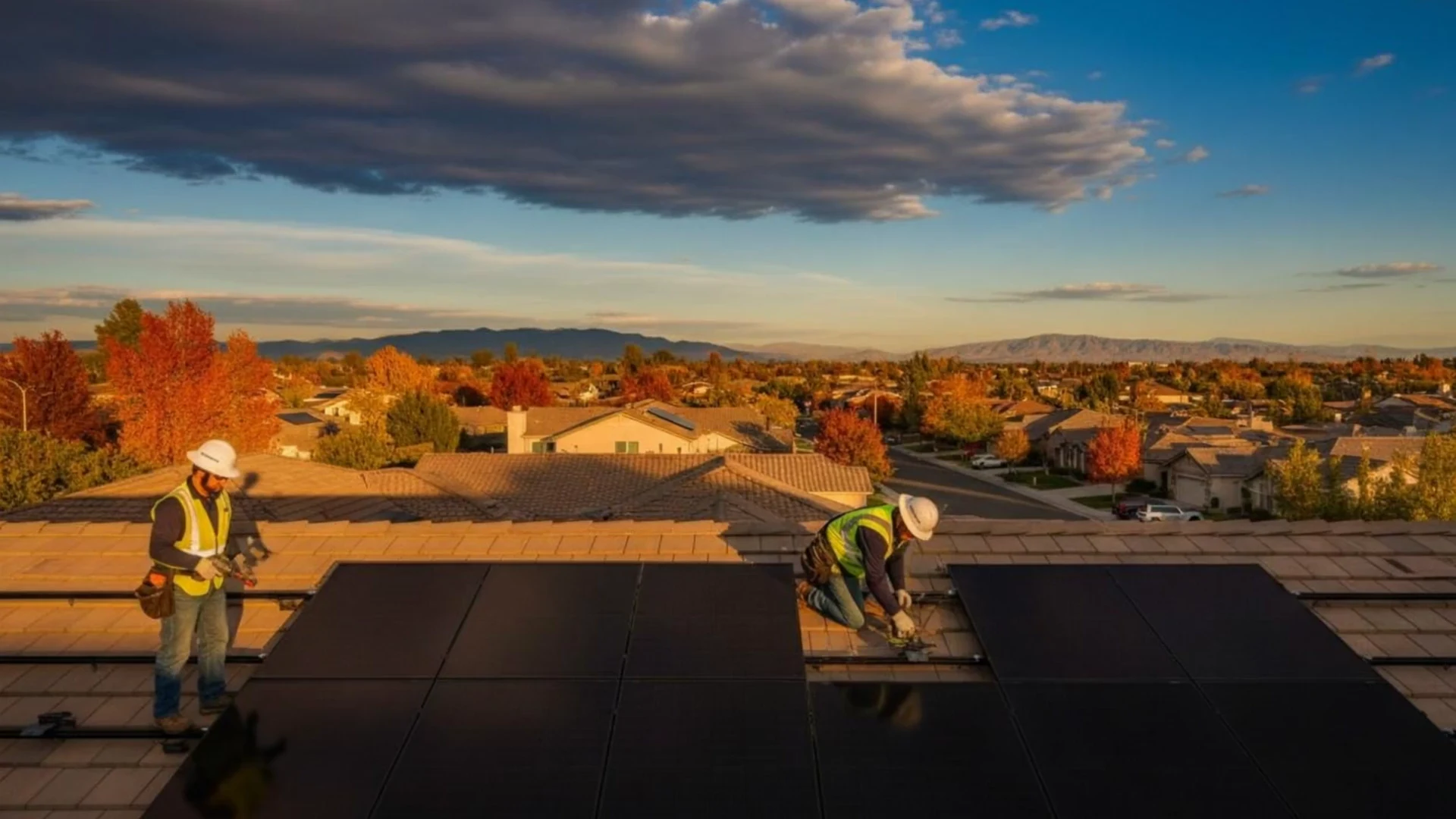
Solar Panel Removal & Reinstallation in Port St. Lucie, FL
America’s #1 Choice for Energy Independence
We handle removal, storage, and reinstallation — coordinating with your roofer so your project runs smoothly from start to finish.
By submitting or calling, you consent to receive calls and SMS from The Light Group USA at the number provided, including via auto-dialer or pre-recorded messages. Consent is not required for purchase. Msg/data rates may apply. Reply STOP to opt out. See our Privacy Policy.

Protect your roof and your solar investment
Let professionals handle your solar panel removal the right way.
By submitting or calling, you consent to receive calls and SMS from The Light Group USA at the number provided, including via auto-dialer or pre-recorded messages. Consent is not required for purchase. Msg/data rates may apply. Reply STOP to opt out. See our Privacy Policy.
Panel removal and reinstall in Port St. Lucie
Port St. Lucie is enormous and much of it went up within the same stretch of years, which means roofs age in cohorts. Whole sections come due at once, and so do the solar arrays that were sold into them. Many of those systems came from companies that no longer exist, leaving the homeowner holding a roofing date, a working array, and nobody obvious to call about the two together.
An orphaned system is a documentation problem before it is an electrical one. No as-built drawing, no monitoring login, no record of the string layout or what the optimizers were configured to do. The array is photographed and mapped before a single clamp is loosened, including module positions, conductor runs and serials where they are readable, so what goes back up is the same system rather than an approximation.
The North Fork is tidal, and homes along it and the canals off it take brackish air even though the ocean is farther out. Salt does its damage inside the assembly, at grounding lugs, clamp interfaces and connector shells, where nothing is visible from a driveway. Near the water hardware is assumed to need inspection rather than assumed to be fine because a ten-year-old rail set still looks straight.
The City of Port St. Lucie runs its own permitting, and the reinstall is inspected before the system can be energized again. FPL restores the retail-rate credit once it is back online. Because this is planned work tied to a roofing calendar, a crew arriving from Orlando on a set date is not a constraint. The roof dictates the schedule regardless of who is doing the solar work.
On a Port St. Lucie removal we get these right
Common questions about solar service in Port St. Lucie
A licensed solar contractor handles it as its own scope, independent of who installed the system originally. The missing piece is documentation, not capability. The array gets mapped and photographed before removal so the layout, strings and equipment are recorded, and hardware that cannot be reused is matched to current equivalent parts.
Where it is sound, yes. Near the North Fork and the canals the judgment happens with the hardware off the roof: rails and clamps in good condition go back, while pitted aluminum, corroded grounding lugs and worn fasteners get replaced. Replacement parts are identified and priced before reinstallation rather than added afterward.
Physically, as long as they are stored properly, upright and dry. Practically, every extra week is production you are not generating and equipment sitting in a garage. On a large re-roof the down window is set by the roofing crew and the inspection calendar, so the two solar visits are booked tight against those dates.
In Florida a removal and reinstallation generally requires a permit, because the roof is re-penetrated and the electrical system is disconnected and reconnected. For a Port St. Lucie address that goes through the city building department. An inspection follows the reinstall, and the array is not energized until it passes.
No. Crews work out of Orlando and Tampa and travel to the Treasure Coast on scheduled dates. Removal and reinstallation is planned work attached to a roofing calendar, so a booked window fits it well. For something that has to be resolved the same day, a local emergency service is the right call.
Other solar work we do here
Panel Removal & Reinstallation near Port St. Lucie
Crews based in Orlando and Tampa, covering 217 cities statewide.
Treasure Coast
We also cover Florida Panhandle, North Florida, Northeast Florida, Central Florida, Space Coast, Tampa Bay, Southwest Florida, South Florida. See every Florida city we service.