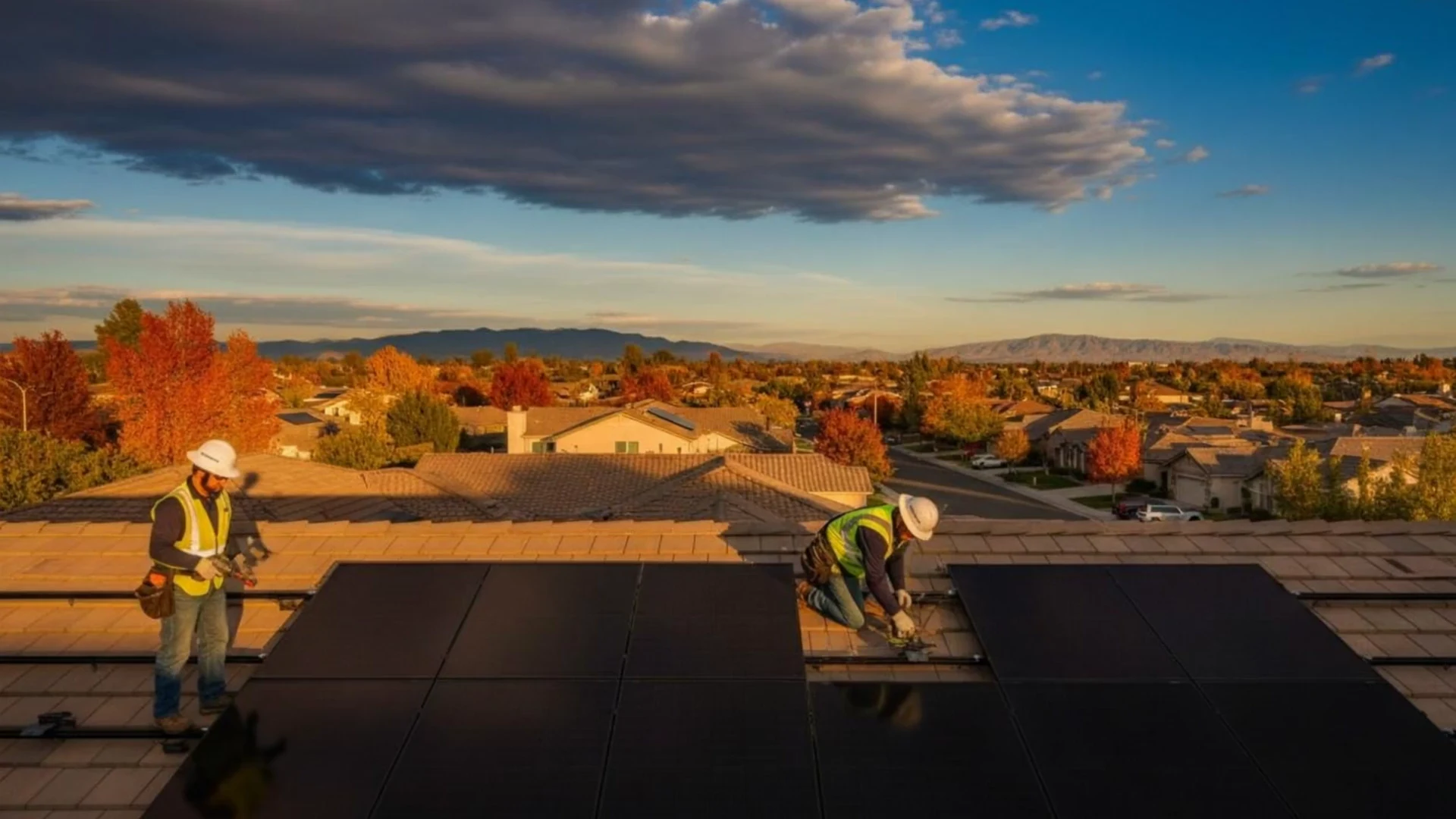
Solar Panel Removal & Reinstallation in Rockledge, FL
America’s #1 Choice for Energy Independence
We handle removal, storage, and reinstallation — coordinating with your roofer so your project runs smoothly from start to finish.
By submitting or calling, you consent to receive calls and SMS from The Light Group USA at the number provided, including via auto-dialer or pre-recorded messages. Consent is not required for purchase. Msg/data rates may apply. Reply STOP to opt out. See our Privacy Policy.

Protect your roof and your solar investment
Let professionals handle your solar panel removal the right way.
By submitting or calling, you consent to receive calls and SMS from The Light Group USA at the number provided, including via auto-dialer or pre-recorded messages. Consent is not required for purchase. Msg/data rates may apply. Reply STOP to opt out. See our Privacy Policy.
Panel removal and reinstall in Rockledge
Rockledge Drive is the reason people know the town: a scenic road on the bluffs above the Indian River Lagoon, with about 31,000 residents living behind it in 32955 and 32926. The address is Brevard County, but the Atlantic is not next door. Between Rockledge and the ocean sit the lagoon, Merritt Island and the Banana River, which is three separate crossings of water.
That geography puts Rockledge in a middle band. It is not oceanfront, where salt strips hardware, and it is not truly inland either, because the lagoon is tidal and the air off it carries moisture and some salt. In practice a removal here means looking hard at grounding lugs, clamp feet and connector housings without assuming beachfront levels of damage.
The call still starts with the roof. A tear-off date is set, the roofing contractor makes clear that live PV is not their trade, and the company that installed the array has moved on or closed. What is needed is a crew that will take the array down safely, keep it intact through the reroof, and put it back so the roof and the system both stay covered.
FPL serves the address and credits exports at the retail rate, and the city publishes its own utility information with FPL's local contact. Permits run through the City of Rockledge or Brevard County depending on the address, with an electrical reinspection at the end. It is scheduled work, planned around the roofer's dates and covered from Orlando on a booked window.
On a Rockledge removal we get these right
Common questions about solar service in Rockledge
It sits about five miles from the Atlantic with the Indian River Lagoon, Merritt Island and the Banana River in between. The lagoon is tidal, so there is salt in the air, but not at oceanfront levels. In practice that means inspecting mounting hardware carefully during a removal rather than planning to replace all of it.
Generally yes, and it is separate from the roof permit. It is issued by the City of Rockledge or by Brevard County depending on whether the address is inside city limits, and it carries an electrical reinspection after the array is back. The permit is not closed until that inspection is signed.
Nothing gets canceled. Production stops for the weeks the array is off, so the bill reflects normal usage. The interconnection stays with the address, and as long as the system goes back the same size and layout it was approved as, restoring service is straightforward. Changes to the array are what trigger new paperwork.
Yes, and it is most of this work. The array is documented as found, modules and inverter are identified from their labels, and the reinstall follows current code and the racking manufacturer's specifications rather than whatever shortcuts were there before. Missing documentation slows down the first hour, not the job.
Ask for four things: the closed permit with its electrical reinspection, torque values from the reinstall, photographs of the new flashings taken before the modules went back on, and production data by string in the first week. Those four are the difference between a claim you can prove and one you cannot.
Other solar work we do here
Panel Removal & Reinstallation near Rockledge
Crews based in Orlando and Tampa, covering 217 cities statewide.
Space Coast
We also cover Florida Panhandle, North Florida, Northeast Florida, Central Florida, Tampa Bay, Southwest Florida, Treasure Coast, South Florida. See every Florida city we service.