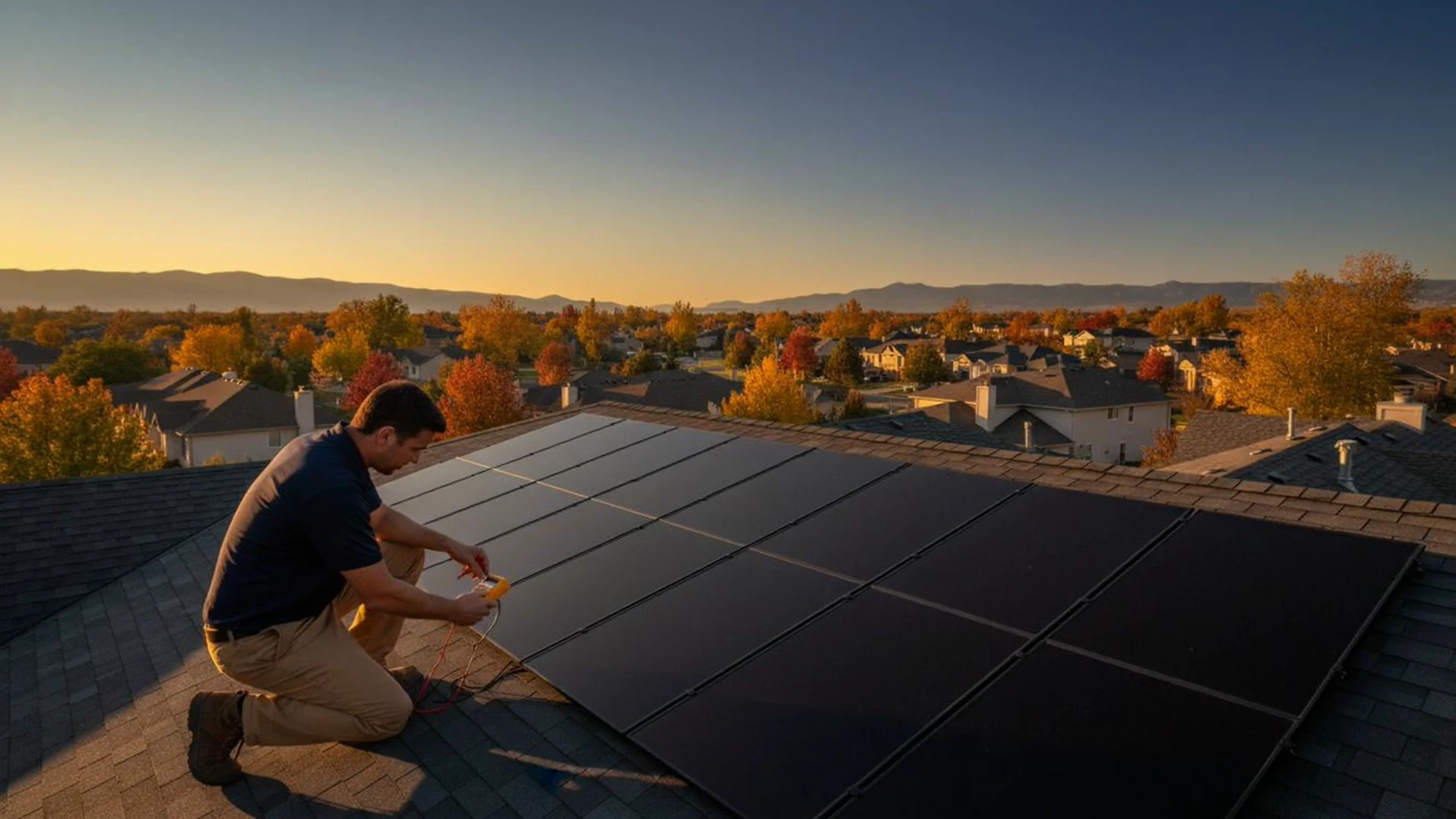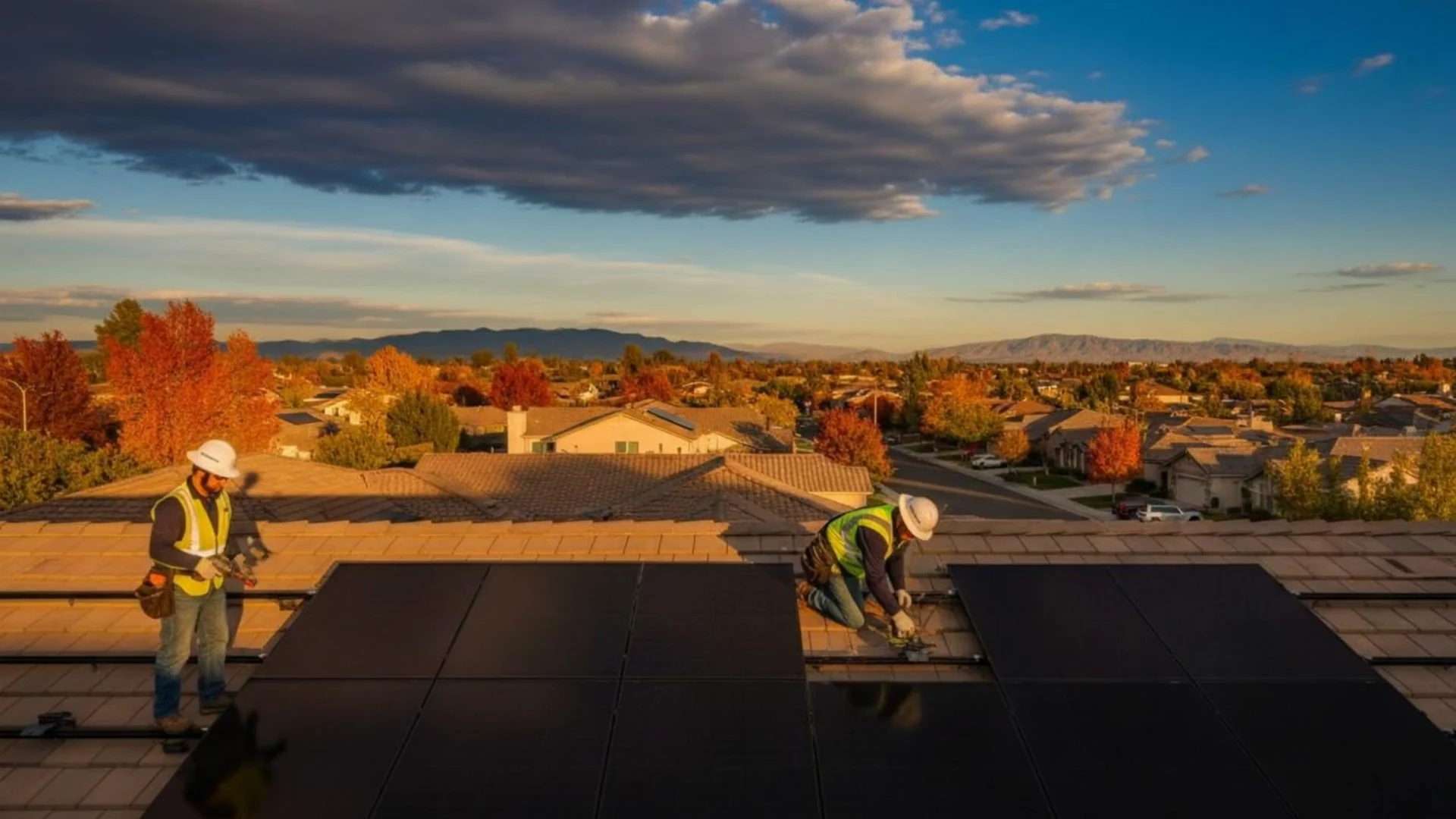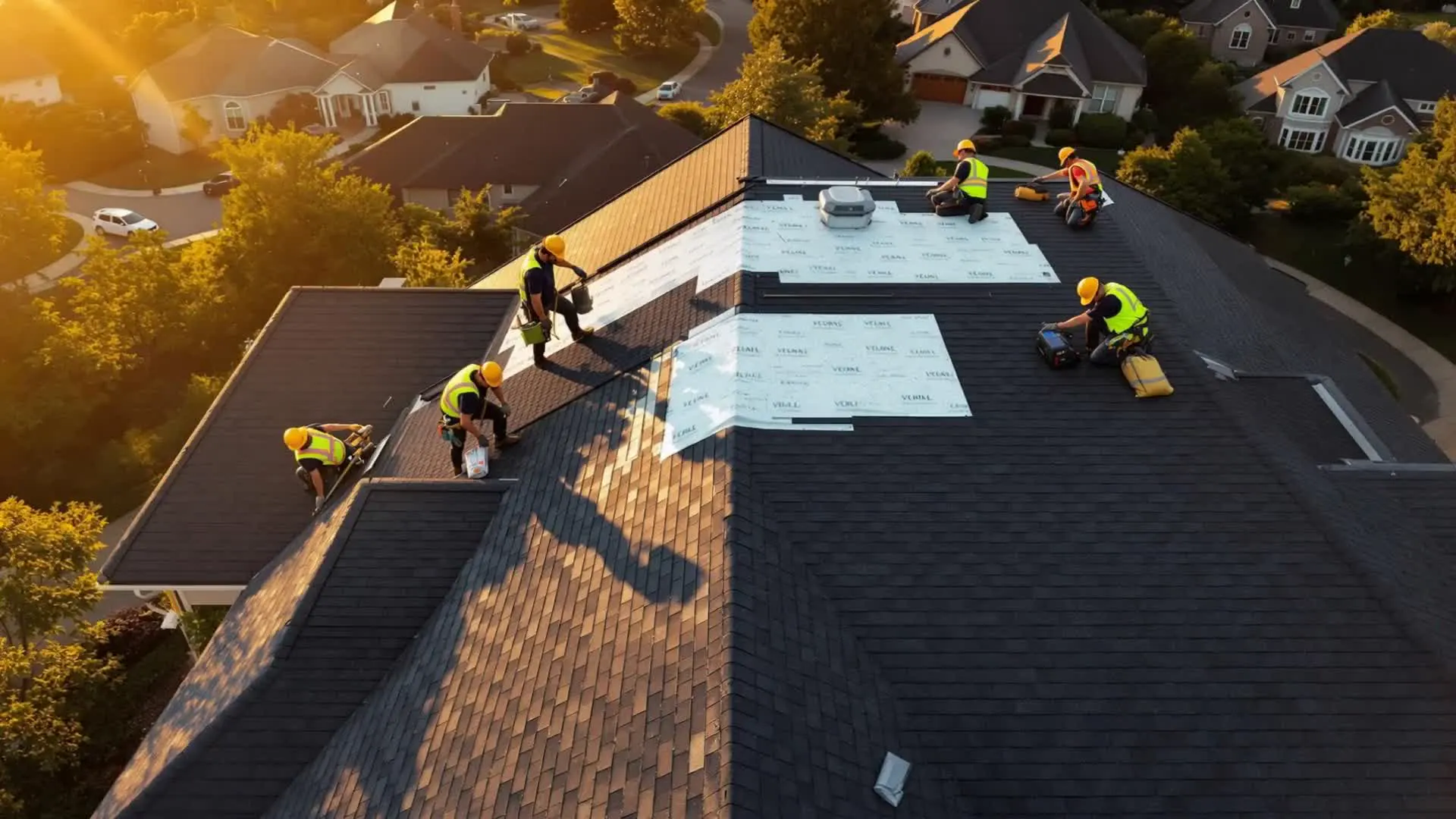
Yes, but usually not from ordinary hail. Panels are tested against hail about 1 inch across. Bigger stones can crack the glass, and even when the glass looks fine, the cells underneath can crack. Here is how to tell, and what to do in the first days after a storm.
The short answer: panels are tough, but not hail-proof
Solar panels have tempered glass on the front and are built to take a hit. To get certified, a module goes through the IEC 61215 hail test: ice balls of 25 mm, about 1 inch, fired at 23 m/s, roughly 50 mph, at 11 spots on the panel, per this explainer of the MQT 17 hail test.
That is a minimum, not a ceiling. Independent lab PVEL says the hail test required for IEC certification is not enough proof of hail resistance in hail-prone regions. In other words, passing the test means your panels handle normal hail, not that they will survive a storm with golf ball or baseball stones.
The U.S. Department of Energy notes that severe hail is the largest source of insured losses on PV systems worldwide. So the risk is real, even if most storms pass without breaking anything.
Why this matters more in Texas
Texas gets more big hail than any other state. Texas Standard, citing the Insurance Information Institute, reports that Texas led the nation in 2025 with 902 major hail events, meaning stones 1 inch across or larger.
One inch is right at the edge of what the standard test covers. An NREL analysis found that hail starts to have long-term effects on solar output once stones go past about 1 inch. If you live in North Texas, the Hill Country or the Panhandle, plan on checking your system after every hail warning, not once in a while.
In Florida, the same after-storm routine applies whenever a storm drops hail on your street. Check the panels, check the app, and do not forget the roof under the array: that is the part nobody looks at until a ceiling stain shows up.
What hail damage on solar panels looks like
- Shattered or spider-webbed glass: The obvious one. Tempered glass breaks into a web of small pieces. The panel can still make voltage in daylight, so do not touch it or try to cover it yourself.
- Cracked cells under intact glass: The hidden one. The glass flexes, the thin silicon cells behind it crack, and nothing shows from the ground. Output drops a little and can drop more over time.
- Dented frames and rails: Bent aluminum frames or racking can loosen the seal around the glass and let moisture in later.
- Hit wiring and connectors: Exposed cables, connectors or a cracked junction box can lead to faults that shut down part of the array.
- A roof that took the same beating: The shingles around and under the panels got hit too. Roof damage under an array is easy to miss and leads to leaks months later.
The damage you cannot see from the ground
Cracked cells are the part most homeowners never hear about. The Department of Energy recommends an electrical and visual inspection after a hail storm because hail can crack cells without breaking the glass.
How much does that cost you? In an NREL study of hail-damaged modules, the panels with the most cracked cells produced 3 to 4% less power than the least damaged ones. After four more years outdoors, they had not degraded faster. That is useful context: small cracks are a loss to document and claim, not a reason to panic.
The catch is timing. A loss you cannot see today is hard to prove to an insurer a year from now. That is why the first days after the storm matter.
What to do after a hailstorm, step by step
- Stay off the roof. Look from the ground or a window. Wet, damaged roofs and live panels are a bad mix. Binoculars or a phone zoom are enough for a first look.
- Take photos the same day. Photograph the panels, the roof, gutters, vents and any hailstones next to a coin or ruler. Date-stamped photos help any claim later.
- Check your monitoring app. Compare today's production with a similar sunny day before the storm. Our guide on how to read your solar monitoring app shows what a real drop looks like.
- Look at the inverter. A new fault code, a red light or a panel group reporting zero can point to broken glass or wiring. See what the inverter lights mean.
- Call your insurer early. Ask whether your panels are covered as part of the home, and what your deadline is. If you lease the system, check your contract first: the leasing company may be the one that files.
- Book a licensed inspection. Ask for an electrical test of the array, not just a look. If a cracked panel is found, the inspection notes and photos go straight into your claim.
Insurance: what Texas regulators tell homeowners
The Texas Department of Insurance says to file a claim as soon as you can after hail damages your home, take photos or video of the damage, and not throw away damaged items until the insurance company says you can. That last one matters: a broken panel is evidence, so leave it until the adjuster has seen it.
Your filing deadline depends on your policy, so read your declarations page right away. When a storm hits, expect door-knockers. TDI's guidance on making repairs after a storm is a good checklist for picking who works on your roof.
If the roof gets replaced, the panels come off first
- If your claim pays for a new roof, the panels must be removed before the roofers start and reinstalled after. Plan for it before you sign with a roofer.
- Ask who removes and reinstalls the panels. A general roofer unplugging an array can void warranties and cause leaks, as we explain in why a roofer should not remove your solar panels.
- Make sure removal and reinstallation are in the insurance estimate, not a surprise bill later.
- Use the downtime: a damaged panel can be swapped, wiring checked and mounts resealed before everything goes back up. Our removal checklist before reroofing walks through it.
- Get the work done by one licensed team when you can. Solar panel removal and reinstallation and roof repair on the same schedule means fewer handoffs and fewer gaps in who is responsible.
Inspect now or wait and see?
If the storm dropped hail near 1 inch or bigger in your area, get the system checked even if it looks fine. If your app shows production back to normal and the hail was small, a visual check and a note in your records is usually enough.
Either way, a solar repair and maintenance visit from a licensed technician answers the question for sure. Our team handles systems installed by other companies too, and can check the roof and the panels in the same visit. For signs that point to a bigger job, read signs you need to reinstall your solar system after storm damage.
Frequently Asked Questions
Certified panels are tested with ice balls about 1 inch across hitting at roughly 50 mph. Hail around that size or smaller rarely breaks the glass. Bigger stones, and hail driven by strong wind, raise the risk of broken glass and cracked cells. Check your panel's spec sheet: some manufacturers test with larger hail than the minimum.
It depends on your policy. Call your insurer, ask how your panels are covered, what your deductible is and what your filing deadline is, and send dated photos. If your system is leased or under a PPA, the company that owns it may handle the claim, so read your contract before you file anything yourself.
Look for broken glass, dented frames or loose wires from the ground, then compare your monitoring app with a sunny day before the storm. A new inverter fault is another sign. Cracked cells under intact glass are only found with an electrical test, so book an inspection after a big hailstorm.
It often still produces some power, but less, and broken glass lets moisture in over time. A cracked panel also still makes voltage in daylight, so it is not safe to touch. Have a licensed technician isolate and replace it rather than leaving it in the array.
Some panels are tested beyond the 1-inch minimum, with larger ice balls and higher speeds. Thicker front glass also helps. If you are replacing hail-damaged panels in a hail-prone part of Texas, ask for the hail test results on the spec sheet before choosing a model.