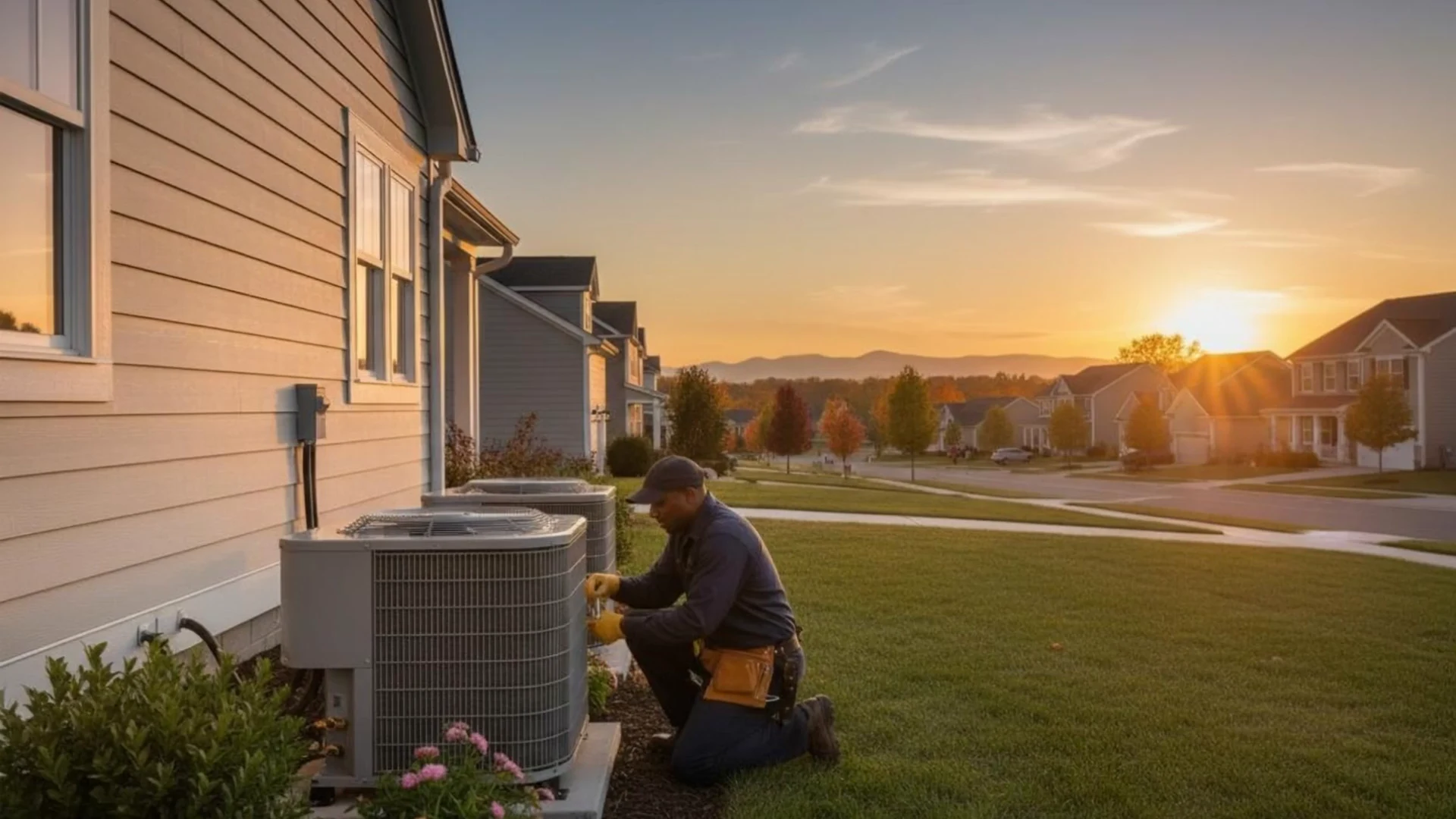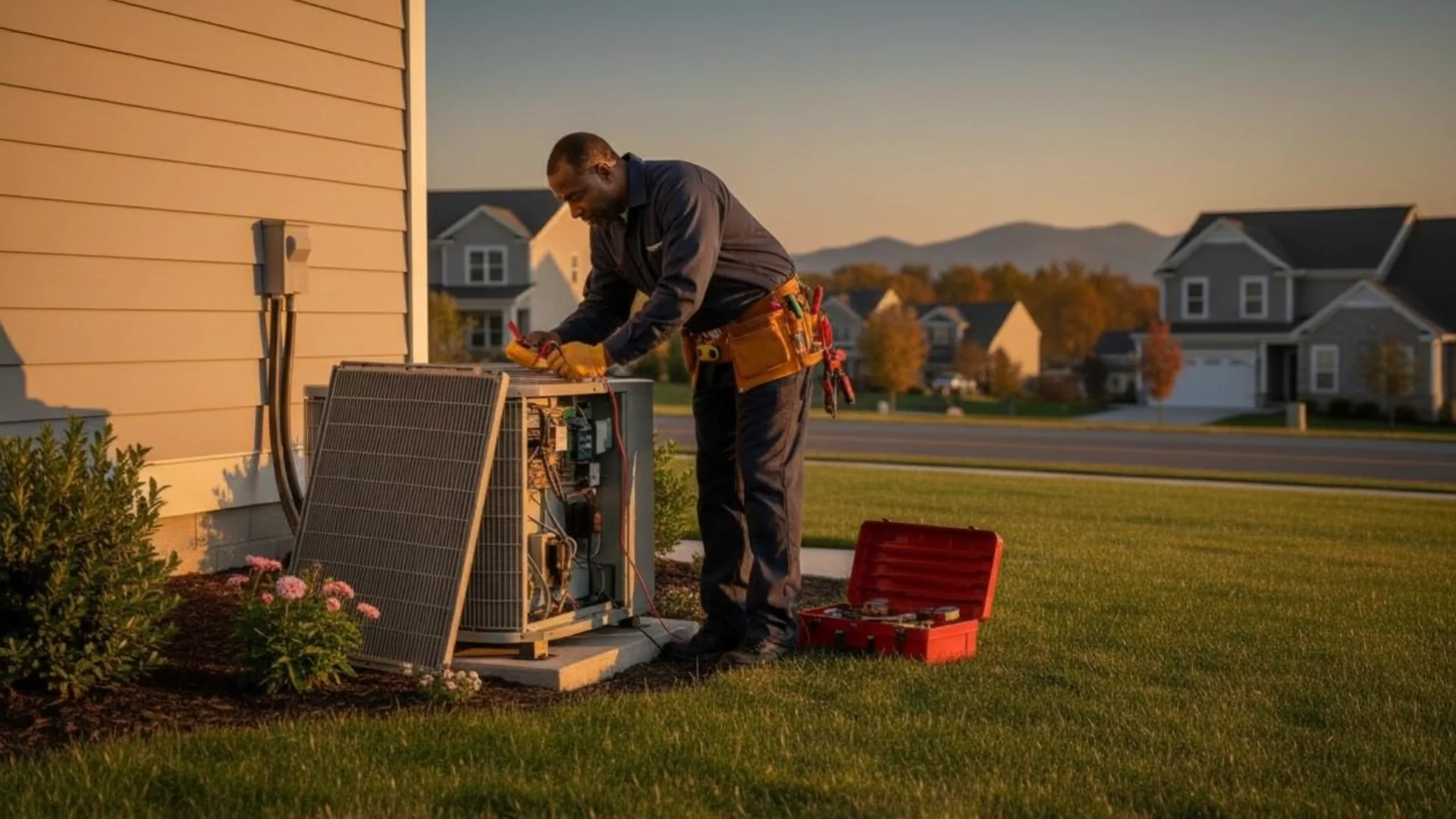
In summer, a heat pump and a central AC do the same job the same way. The real difference is winter: a heat pump also heats your home, and in most of Texas the best choice depends on what heats your home right now.
The short answer: same cooling, different winter
A central AC moves heat out of your house. A heat pump is the same kind of machine with a reversing valve, so it can also move heat in. A DOE-hosted homeowner guide explains that an air-source heat pump moves heat in both directions, using electricity to move heat instead of making it.
That is why the Department of Energy says that in moderate climates, a heat pump can be an efficient alternative to furnaces and air conditioners. Most of Texas fits that description: long, hot summers and short winters with a few hard freezes.
So the question is rarely about cooling. It is about the coldest weeks of the year, and what your home uses for heat on those nights today. That one detail changes the answer more than brand, size or price.
Find out what you have before anyone quotes you
- Look at the outdoor unit label. The data plate shows the model number. Search it, or snap a photo for your technician: the model tells you if it is an AC or a heat pump.
- Check the thermostat. If the system settings show Aux Heat or Em Heat, you most likely already have a heat pump with backup heat strips.
- Find what makes your heat. A gas line, a flue pipe and a pilot or igniter mean a gas furnace. No gas and a big breaker for the air handler usually means electric strips.
- Pull a winter bill. Compare December or January kWh to April. A big winter spike in an all-electric home often points to strip heat doing most of the work.
- Note the age of each part. The outdoor unit, the indoor coil and the furnace or air handler can have different ages. What is failing first changes the best move.
If your home heats with electric strips, a heat pump is the clear upgrade
Many Texas homes pair a central AC with an electric furnace, which is basically a big toaster coil in the air handler. EIA, citing Census data, reported in 2021 that 61% of Texas homes use electricity as their main heating source, compared with 39% nationally.
ACEEE found that over 25% of Texas homes have central AC but heat with electric resistance, and estimated that households making that swap to a heat pump would save more than $300 a year on average. That is an average from their study, not a promise for your house.
The reason is simple physics. A coil turns one unit of electricity into one unit of heat. A heat pump moves heat that is already outside, so on a typical mild Texas winter day it delivers more heat than the electricity it uses.
If you have a gas furnace, it depends on what is failing
When only the AC dies and your gas furnace is still healthy, replacing it with another AC or with a heat pump are both reasonable. A heat pump paired with the existing furnace, often called dual fuel, lets the heat pump handle mild days and the furnace take over on the coldest nights.
When both the AC and the furnace are near the end, a heat pump with an air handler replaces two machines with one outdoor unit. Your gas rate, your electric plan and how cold your area gets decide which runs cheaper. A good contractor runs those numbers with your actual bills, not a brochure.
A plain AC still makes sense in a few cases: the furnace is new, the budget only covers the outdoor unit this year, or the home is a rental you plan to sell soon. Even then, ask whether the new outdoor unit and coil can be upgraded to a heat pump later without redoing the line set.
One caution: a heat pump makes your winter load electric. If you are on a plan with expensive evening hours, read our guide to time-of-use electricity plans in Texas before you pick a plan.
The ratings to compare on any quote
- SEER2: cooling: Cooling efficiency over a whole season. Carrier lists the federal minimum in the South at 14.3 SEER2 for most home systems.
- HSPF2: heating: Heating efficiency over a whole season. Only heat pumps have it. A plain AC with strips or a furnace has no HSPF2.
- EER2: peak heat: Efficiency at one hot test point. In Texas summers this tells you how the unit behaves on the worst afternoons.
- ENERGY STAR level: For split heat pumps, ENERGY STAR asks for at least 15.2 SEER2, 7.8 HSPF2 and 11.0 EER2. Use it as a quality floor, not a ceiling.
- Matched system: The rating only counts for the outdoor unit and indoor coil tested together. Ask for the AHRI certificate number of the exact pair being installed.
What about the freezes?
Heat pumps work below freezing, but they lose capacity as it gets colder. When the outdoor coil drops below 32 degrees, frost builds up and the unit runs short defrost cycles. Some steam from the outdoor unit in winter is normal.
For North Texas and the Panhandle, plan a backup: properly sized heat strips in the air handler, or a gas furnace in a dual fuel setup. In Houston, San Antonio or most of Florida, backup heat runs far less often, but it should still be there. Ask the installer at what outdoor temperature the backup is set to kick in, and why.
A DOE contractor guidance sheet also says the thermostat should switch to backup heat on its own, and that you should not manually switch to emergency heat or set the temperature back hard at night. Big setbacks can force the strips on in the morning.
Mistakes that make either system cost more
- Sizing by square footage alone. Ask for a load calculation (Manual J) that counts your windows, insulation and attic.
- Keeping old ductwork that leaks into a hot attic. A new unit cannot fix air that never reaches the room.
- Replacing the outdoor unit and keeping a mismatched old indoor coil. The rating on the quote will not be what you get.
- Ignoring the attic. Insulation and air sealing cut the load on any system; see our energy efficiency services.
- Forgetting solar. If you have or plan panels, a heat pump changes your winter usage. Our guide on how many solar panels you need in Texas shows how usage drives system size.
Where solar fits in
A heat pump turns your heating into electric load, so it pairs naturally with solar panels and a battery. If your bill is already high after going solar, our breakdown of why a Texas solar bill can stay high often finds an old HVAC system near the top of the list.
Our licensed and insured team handles HVAC installation, solar and roofing on the same project, so the new system, your panels and your usage are sized together. If you are not sure what you have, start with an assessment.
Frequently Asked Questions
For cooling, they perform about the same at the same efficiency rating. The difference is heating. If your home heats with electric strips, a heat pump usually costs less to run in winter. If you have a healthy gas furnace, an AC or a dual fuel heat pump can both make sense, depending on your gas and electric rates.
Yes, but it loses capacity as temperatures drop and runs defrost cycles below freezing. That is why heat pumps in Texas should have backup heat, either electric strips in the air handler or a gas furnace. The thermostat should bring the backup on automatically when needed.
Check the thermostat system menu for Aux Heat or Em Heat, which usually means a heat pump. You can also search the model number on the outdoor unit data plate. If your heat comes from a gas furnace with a flue, the outdoor unit is most likely a standard AC.
The federal minimum for most home systems in the South is 14.3 SEER2. ENERGY STAR heat pumps start at 15.2 SEER2. Higher ratings cost more upfront, so compare them against your actual summer usage and how long you plan to stay in the home.