Both turn the DC power from your panels into the AC power your home uses: a string inverter in one box on the wall, microinverters under each panel. The right one depends on shade and roof angles, how you want it serviced, and whether a battery is in your plans.
The short answer
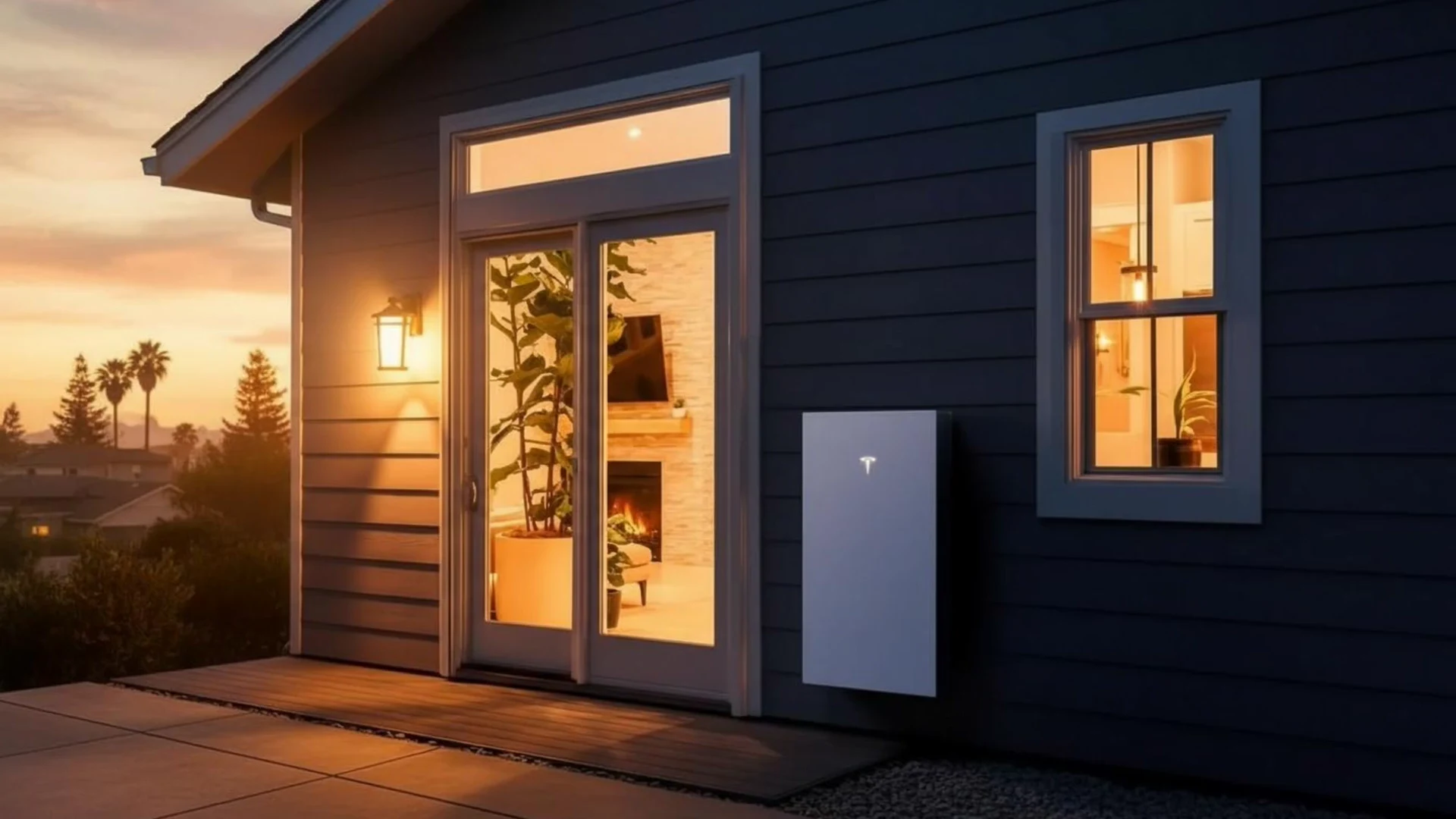
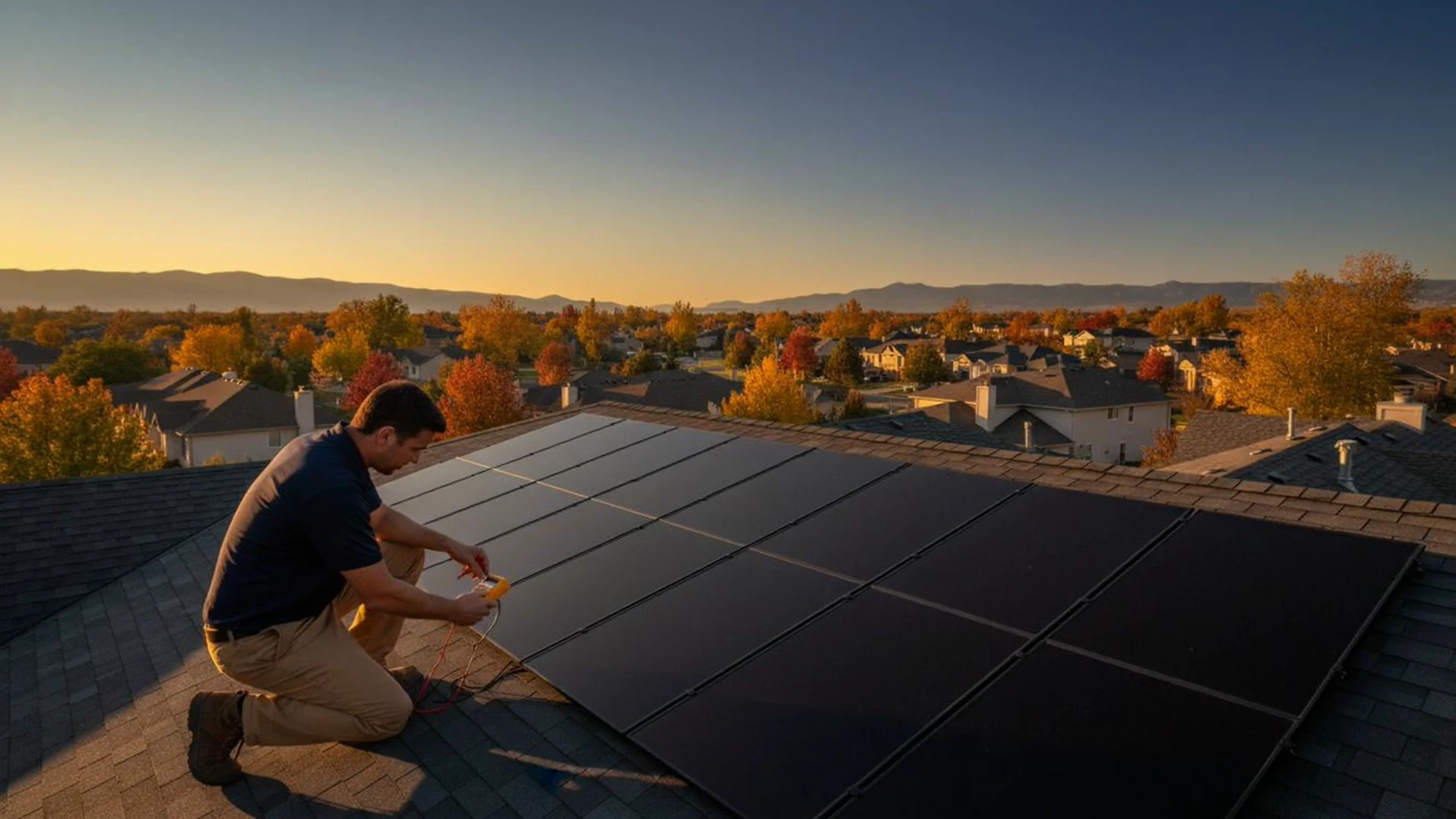
A string inverter is a single box, usually on an outside wall or in the garage. Your panels are wired together in series, called a string, and the whole string feeds that box. Microinverters are small units bolted under each panel, so every panel converts its own power on the roof.
There is also a middle option: power optimizers. They sit under each panel like microinverters, but they still send power to one central string inverter. Industry guides like this EnergySage overview of microinverters group them together as module-level electronics, because they manage each panel one by one.
If you want the bigger picture of how the parts fit together, start with how solar works for your home. Below is what actually changes for you as the owner.
Side by side: what actually changes
- Shade and roof angles: In a string, the weakest panel can pull down the others. Microinverters and optimizers let each panel produce on its own, which helps with trees, chimneys and panels facing different directions.
- Monitoring: Microinverters and optimizers report each panel. A plain string inverter shows the whole system, so one bad panel is harder to spot.
- When something fails: If a string inverter stops, the whole system stops. If one microinverter fails, you lose that one panel and the rest keep working.
- Where repairs happen: A string inverter is on the wall, easy to reach and replace. A failed microinverter is under a panel, so a technician has to go on the roof.
- Upfront cost: A single string inverter usually costs less than one microinverter per panel. The gap depends on system size and brand, so compare full quotes, not parts.
- Adding a battery: Both can work with a battery, but the type of battery that fits best is different. More on that below.
Shade and multiple roof faces: where panel-level electronics pay off
Many Texas homes have panels on two or three roof faces, plus a live oak or a neighbor's tree that shades part of the array in the afternoon. That is the case where panel-level electronics earn their place.
A U.S. Department of Energy Building America case study found that module-level power electronics recovered 20% to 35% of the energy lost to partial shading. It also notes they reduce the impact of multiple roof planes and mismatched modules.
If your roof is one clean, south-facing plane with no shade, that advantage shrinks a lot. A simple string system can be the sensible choice there.
Lifespan and warranty: read the fine print
This is where the two differ most on paper. Enphase lists its IQ8 microinverters with a limited warranty of up to 25 years, but its IQ8 datasheet says the 25-year term is valid only if an internet-connected IQ Gateway is installed. If your gateway lost Wi-Fi years ago, check your warranty status.
String inverters usually carry shorter warranties and are often expected to need a replacement before the panels wear out. For a sense of what owners see in practice, pv magazine has a running report on how long residential inverters last.
The U.S. Department of Energy says inverter degradation limits inverter lifetime and leads to part replacements over the life of a system. In other words, whichever you choose, plan on servicing the electronics at least once before the panels retire.
Texas heat, roof work and rapid shutdown
Heat is hard on any electronics. A string inverter on a west-facing wall in full sun can get very hot, and many models reduce output on purpose to protect themselves. SolarEdge, for example, lists the limits for each model in its temperature derating note. Shade over the inverter box helps.
Microinverters live under the panels, so their heat and their repairs are on the roof. That matters when you replace the roof: every panel and its microinverter come off and go back on. A string system has less on the roof, but its wiring still has to be handled with care. If a reroof is coming, read when to upgrade your inverter during solar panel removal before you sign.
Code also matters. Newer electrical codes require rooftop arrays to drop to safe voltage quickly so firefighters can work on the roof. As this Solar Builder explainer on UL 3741 puts it, that means under 80 V within 30 seconds inside the array, which usually translates to microinverters, optimizers or standalone shutdown devices. Which code edition applies depends on your city.
Adding a battery later: this is where the choice matters most
Batteries connect in one of two ways. A DC-coupled battery shares one hybrid inverter with the panels. An AC-coupled battery has its own inverter and connects on the home side, next to the existing solar. This Solar.com guide to AC vs DC-coupled batteries explains that AC-coupled batteries are usually the better fit for adding storage to an existing system, while DC coupling suits solar and storage installed together.
If you have microinverters, an AC-coupled battery is the usual path, because the panels already produce AC on the roof. If you have an older string inverter that is near the end of its life, a battery with a built-in solar inverter can sometimes replace it. Tesla, for example, says in its Powerwall 3 design considerations that solar connected directly to Powerwall 3 is preferred over AC-coupled solar.
There are sizing limits too. Tesla's AC-coupled solar sizing guide caps how much existing solar can sit on the backup circuit per Powerwall. That is why a compatibility check comes before choosing a battery. Our guide to adding a battery to your existing solar system in Texas walks through the rest.
How to tell which one you have, in 5 minutes
- Look near your electric meter. One large box with a brand label and a display or status light, wired to the panels, is most likely a string inverter.
- Check for a gateway or combiner box. A smaller box labeled IQ Gateway, Envoy or IQ Combiner usually means Enphase microinverters on the roof.
- Open your monitoring app. If it shows a map with a number on every panel, you have microinverters or optimizers. One total only usually means a plain string system. See how to read your solar monitoring app.
- Find your install paperwork. The permit drawings or contract list the inverter model. Search the model number and you will know exactly what you have.
- Write down the age. The install date tells you how much warranty is left and whether the electronics are due for attention before any roof or battery work.
Questions to ask before you choose or replace one
- Does any part of my roof get shade during the day, and on which faces will panels go?
- Do I want to see each panel's output, or is a system total enough for me?
- Is a roof replacement likely in the next few years?
- Will I want a battery, and will it be AC-coupled or connected directly to the panels?
- What does the warranty require from me, like keeping the gateway online?
- Who will service the system if the original installer is gone? Our solar repair and maintenance team works on systems installed by other companies, and battery and energy storage checks start with what you already have.
Frequently Asked Questions
Not always. Microinverters usually do better on shaded roofs or roofs with panels facing several directions, and they report each panel. A string inverter can be the simpler, lower-cost choice on one unshaded roof face, and it is easier to reach for repairs because it sits on the wall, not on the roof.
Microinverters often carry longer warranties. Enphase lists up to 25 years for IQ8 if an internet-connected gateway stays installed. String inverters usually have shorter warranties and often need replacing before the panels wear out. Either way, plan to service the electronics at least once over the life of the system.
Yes. With microinverters the usual path is an AC-coupled battery, which has its own inverter and connects on the home side. Battery makers set limits on how much existing solar can connect to each battery, so a compatibility check of your system comes first.
Optimizers are small units under each panel that manage that panel's output, like microinverters do, but they send the power to one central string inverter. They help with shade and give panel-level monitoring, while keeping the main inverter on the wall.