Not always. Whether your panel can take a charger is decided by a load calculation, not by the number on the main breaker or a free slot. If the math comes up short, there are several fixes to try before you replace the panel.
The short answer: the load calculation decides, not the label
A panel has two limits. One is space: is there room for a two-pole breaker? The other is capacity: can the service carry the charger on top of everything else the house runs at the same time? Most upgrade decisions come down to the second one.
The EPA gives a rule of thumb: a home with at least 200 amps and two empty slots for a double-pole breaker likely has room for a Level 2 charger. The same page says you can usually read your service size on the main switch of the panel.
A rule of thumb is not an answer. A 200-amp home with electric heat, an electric range and two AC units can be tight. A 100-amp home with gas appliances can have room. Only the calculation tells you which one you are.
How electricians run the numbers
For an existing home, the code offers an optional method that adds up nameplate loads and counts 100 percent of the first 8 kVA and 40 percent of the rest, according to a Lawrence Berkeley National Laboratory summary of the electrical code. The charger is added to that total and compared with the service rating.
There is a second path that often helps older homes. The same LBL summary describes the measured method as metered load times 1.25, plus the new load. Instead of assuming every appliance runs at full power, it uses a year of real peak demand from your utility data.
Which edition of the code applies depends on what your city has adopted, so the electrician should confirm the method with the local inspector before quoting an upgrade.
Once the numbers pass, the circuit itself still has to be sized for continuous load, which we cover in our guide to Level 2 EV charger installation at home, along with permits and where to mount the unit.
What to gather today, before anyone quotes an upgrade
- Photograph the main breaker. The number on it (100, 150, 200) is your service size. Also photograph the label inside the panel door.
- Count the open spaces. A charger needs two side-by-side spaces for a double-pole breaker. Note how many are free. Do not remove the inner cover.
- List your big electric loads. AC units, heat strips or heat pump, water heater, range, dryer, pool pump, hot tub. Write whether each one is electric or gas.
- Download a year of usage. Texas homes with smart meters can pull interval data through their retail provider or Smart Meter Texas. Peak demand data supports the measured method.
- Find any solar or battery breakers. Look for breakers labeled PV, solar, inverter or battery, and any separate backup panel. These change the panel math.
- Check your car's charging limit. The maximum AC charging rate is in the owner's manual. A bigger circuit than the car can use only costs more.
Four ways to avoid a panel upgrade
- Turn the charger down: Under the 2023 code, a charger whose amp setting is locked behind a tool-only cover can use that adjusted setting as its rating in the calculation. Most daily driving does not need the maximum.
- Automatic load management: A monitoring system watches the whole house and slows or pauses the charger when total demand climbs. Schneider Electric describes chargers with built-in load management used to avoid service upgrades.
- Share the dryer circuit: A circuit-sharing device lets the charger and an appliance use one 240-volt circuit, one at a time. Schneider lists load splitters for existing 240V outlets among the options. Use a listed device, installed by an electrician.
- Free up space, not capacity: If the problem is only full slots, a subpanel or space-saving breakers allowed by the panel's label may solve it. This does not add capacity, so the calculation still has to pass.
If you already have solar, the panel has a second job
This is the part most panel-upgrade guides skip. A solar breaker in your panel feeds power into the busbar, and the code limits how much it can feed. Under the 120 percent rule, a 200-amp bus with a 200-amp main can take a solar breaker of up to 40 amps, placed at the opposite end from the main.
The charger breaker is a load, so it does not count against that solar limit. But if the panel gets replaced, the solar connection has to be redone and pass inspection on the new panel. Choosing a panel with a larger busbar can leave room to add panels or a battery later.
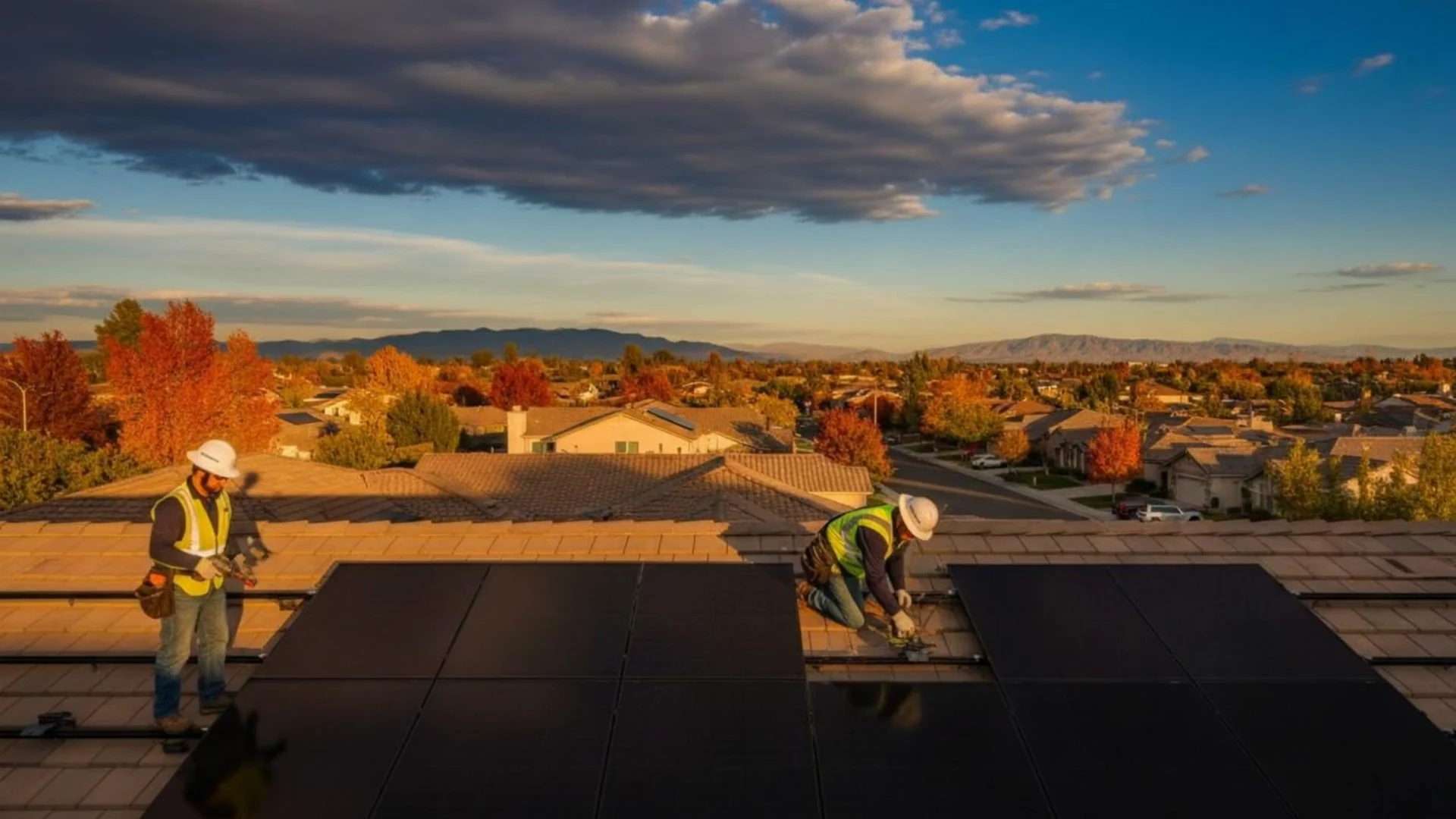
Two practical risks: an electrician who does not work on solar may leave the system switched off after the swap, or reconnect it in a way that does not match your interconnection paperwork. Check that your monitoring app shows production again within a day. Our guide on how to read a solar monitoring app shows what normal looks like.
If a battery is on your list, raise it now. Adding storage later means another trip into the same panel, and our guide on adding a battery to an existing solar system in Texas explains what that connection involves. Planning the charger, the panel and the battery together avoids paying for the same work twice.
If you do need the upgrade: what happens in Texas
A service upgrade involves the utility, not just the electrician, because the power has to be shut off at the meter. Oncor notes that on overhead residential service the customer owns the meter base and its wiring, so a new meter base is part of your job, not the utility's.
The usual order: permit, disconnect, new equipment, city inspection, then reconnection. Pearland's city guide describes the electrician requesting the inspection, the city sending a reconnect release to CenterPoint, and CenterPoint restoring power once it has both the release and the request for power.
Plan for the power to be off during the swap, and know that reconnection waits until the inspection passes and the utility has the release. If you have a battery, ask how it will be shut down and restarted safely during the work.
If you want one team to check the panel, the charger and the solar connection at the same visit, our residential EV charger installation service starts with that load review, and our solar installation team handles any reconnection the new panel requires.
Questions to ask before you approve a panel upgrade
- Did you do a load calculation, and can I see it?
- Did you consider the measured method using my utility data?
- Would a lower charger setting or load management pass the calculation instead?
- If I have solar, who reconnects it, and will the new panel keep it within code?
- Does the quote include the permit, the meter base and coordination with the utility?
- Will the new panel have room for a battery or more circuits later?
Frequently Asked Questions
Often, yes, but it depends on what else runs on that service. A load calculation decides it. If the numbers are tight, a lower charger setting, automatic load management or a circuit-sharing device can keep the charger within the limit without replacing the panel. Homes with electric heat and an electric range are the most likely to need more.
Not necessarily. A full panel is a space problem, not always a capacity problem. A subpanel or breakers approved for that panel can create room. The service still has to pass the load calculation with the charger included, so ask for the calculation before deciding.
Only with the right setup. Plugging a charger into a dryer outlet means the two loads share one circuit, and they must never run together beyond its rating. A listed circuit-sharing device does that switching automatically. Have an electrician confirm the circuit, the outlet and the device are rated for it.
It can. The solar breaker has to be reconnected on the new panel and meet the busbar limits in the electrical code, and the work needs an inspection. Confirm who handles the solar reconnection and check that your monitoring app shows production again after the job.