Sign up for ERCOT's grid alerts, find the utility that actually restores your power, plan for food, medicine, heat and cold, and know before the storm whether your solar panels will keep anything running. Most of it takes one evening.
Why Texas outage prep is a little different
Most outage guides read the same in every state: flashlights, water, canned food. All useful. But Texas has a few quirks that change who you call, how much warning you get, and what your own equipment can do.
Most of the state runs on its own grid, managed by ERCOT. Your electricity company, the one that sends the bill, is usually not the company that fixes the lines. And outages here come from both sides of the calendar: hurricanes and summer heat, ice storms and hard freezes.
So the goal is simple: get the warning early, know who to call, protect what spoils, keep people safe from heat, cold and fumes, and know exactly what your home can power on its own.
Your 6-step prep plan (do it before the forecast turns)
- Turn on grid alerts. ERCOT's TXANS system now sends grid notices by text message as well as email. Sign up at ercot.com/txans so a conservation call does not catch you by surprise.
- Find your wires company. Look at the delivery or TDU charges on your bill. That company (Oncor, CenterPoint, AEP Texas or TNMP in most of the state) restores power. Save its outage number and app in your phone today.
- Register medical needs. If someone at home depends on powered medical equipment, ask the doctor about the state critical care form. It goes to your wires company and can flag your home, but it does not guarantee power.
- Build the basic kit. Flashlights and spare batteries instead of candles, water, food that needs no cooking, a manual can opener, a battery or crank radio, and power banks charged before every storm.
- Make a food plan. Freeze water bottles to fill empty freezer space and keep a cooler handy. A full freezer holds its temperature much longer than a half-empty one.
- Decide your backup power. Generator, battery, or neither. Each has rules for safe use, covered below. Decide now, not when the power is already out.
Food, fridge and medicine: the numbers to remember
Ready.gov says a closed refrigerator keeps food cold for about 4 hours, and a full freezer about 48 hours, or about 24 if it is half full. The key word is closed. Every time someone opens the door to check, that clock speeds up.
The same Ready.gov guidance says to throw out perishable food that has sat at 40 degrees Fahrenheit or higher for two hours or more. A cheap appliance thermometer in the fridge and freezer turns guessing into a quick look.
For medicine that needs refrigeration, check the label or ask the pharmacist now how long it can be out of the cold. Write the answer on a note taped inside the fridge, so nobody has to look it up by flashlight.
Heat, cold and fumes: the safety rules that matter most
- Generators stay outside: Ready.gov says generators, camp stoves and grills belong outdoors, at least 20 feet from windows. Never run one in a garage, even with the door open.
- Carbon monoxide is the real danger: The CPSC reports that portable generators hold the top spot in its report on carbon monoxide deaths. Put battery-powered CO alarms near bedrooms and test them before storm season.
- Never backfeed the house: Plugging a generator into a wall outlet can send power back onto the lines and hurt a line worker. If you want a generator to feed your panel, a licensed electrician installs a transfer switch or interlock.
- Summer outages: Close blinds on the sunny side, move to the lowest and coolest room, keep water close, and check on older neighbors. Know where the nearest cooling center opens in your city.
- Winter outages: Layer clothes, close off unused rooms, and never heat the house with a gas oven or grill. Keep cabinet doors open under sinks on outside walls so pipes get some room heat.
Will my solar panels keep the lights on?
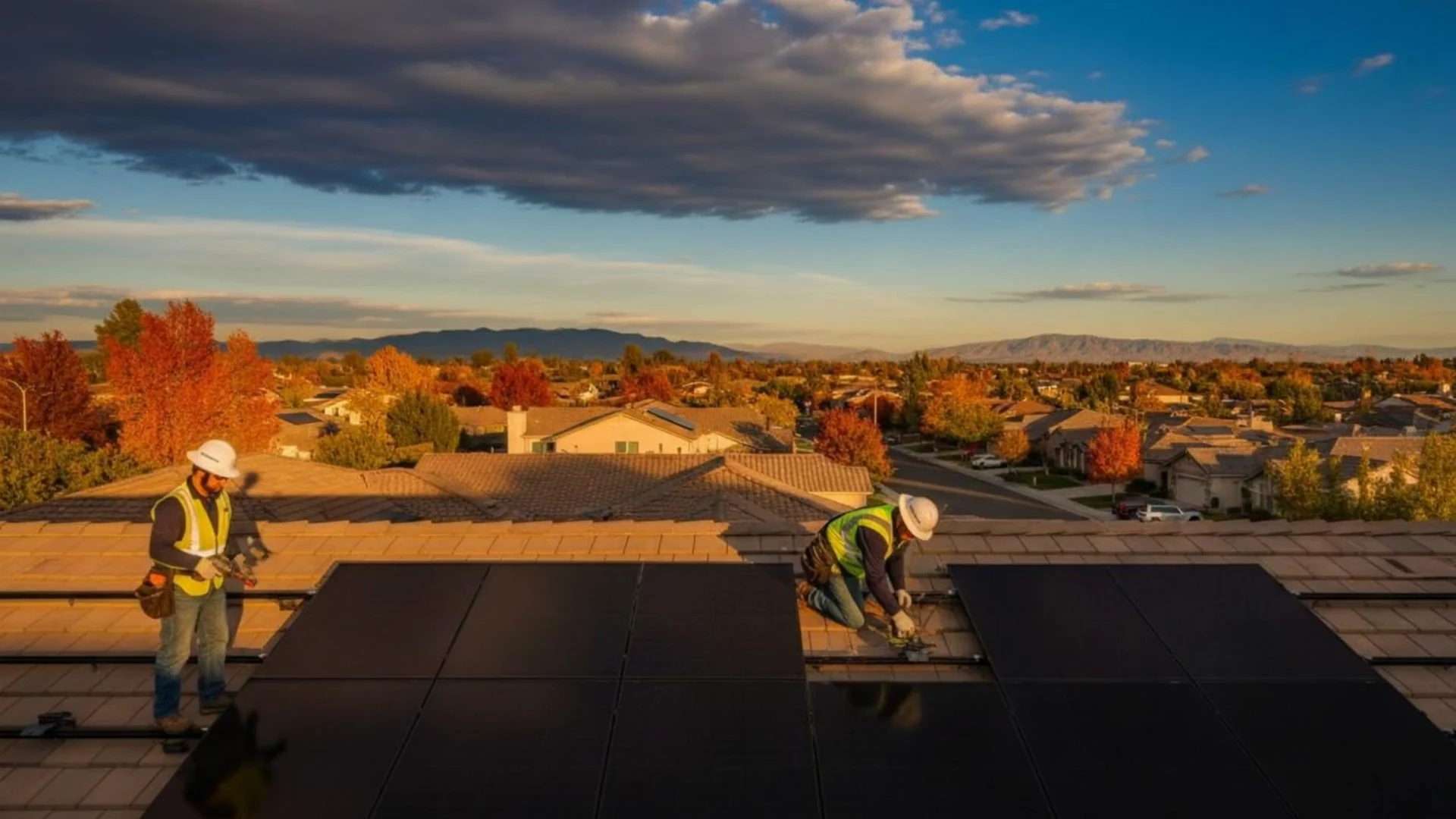
This surprises many Texas homeowners. A standard grid-tied solar system with no battery shuts down when the grid goes down, even at noon. That is a safety feature: it keeps your panels from sending power onto lines that crews are repairing.
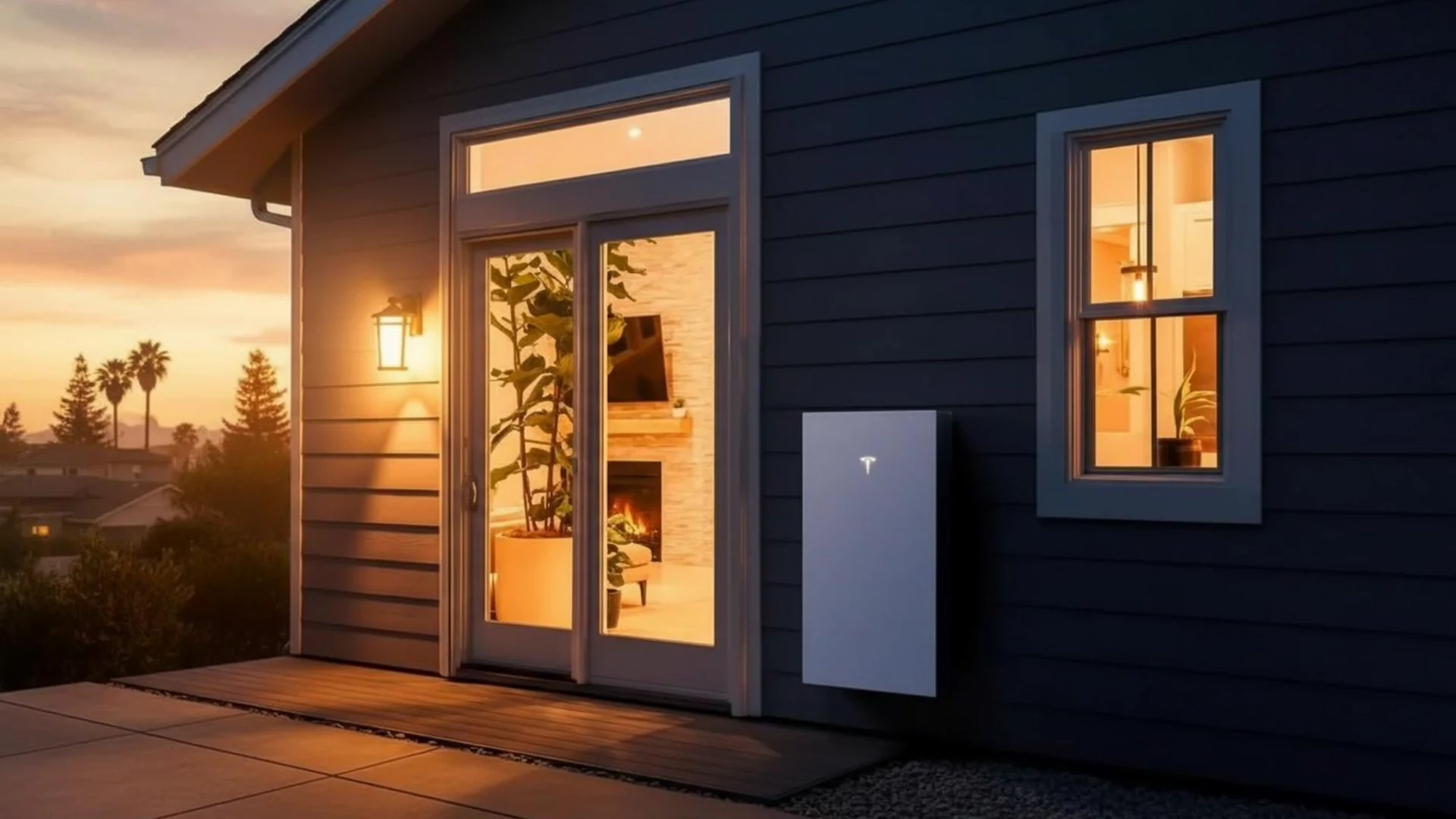
To keep power during an outage, the system needs a battery and backup equipment that can separate your home from the grid. Researchers at the Pacific Northwest National Laboratory explain how solar plus battery storage can keep a home running during outages. With that setup, the panels can recharge the battery while the sun is up.
How long a battery lasts depends on what you leave on. Our guide on how long a solar battery will power your house walks through the math with an example. If you already have panels, start with adding a battery to your existing solar system in Texas.
Tonight's 15-minute checklist
- Sign up for ERCOT's TXANS alerts by text or email.
- Find your wires company on your bill and save its outage number and app.
- Charge every power bank, put fresh batteries in the flashlights, and test your smoke and carbon monoxide alarms.
- Freeze a few water bottles for the empty spaces in your freezer.
- If you have solar, open your monitoring app and check if a battery shows up. No battery usually means no power from the panels during an outage.
- If you have a battery, check the backup reserve setting and raise it before a storm.
- Write down which breakers feed the fridge, the medical equipment and the AC or furnace.
During and after the outage
When the power drops, check your breakers first to see if it is only your home. Then report it to your wires company, not the company on your bill. Keep the fridge and freezer closed.
Ready.gov recommends you turn off or disconnect appliances and electronics to avoid damage from surges when power comes back. Leave one lamp on so you know when it returns, then bring big loads back one at a time.
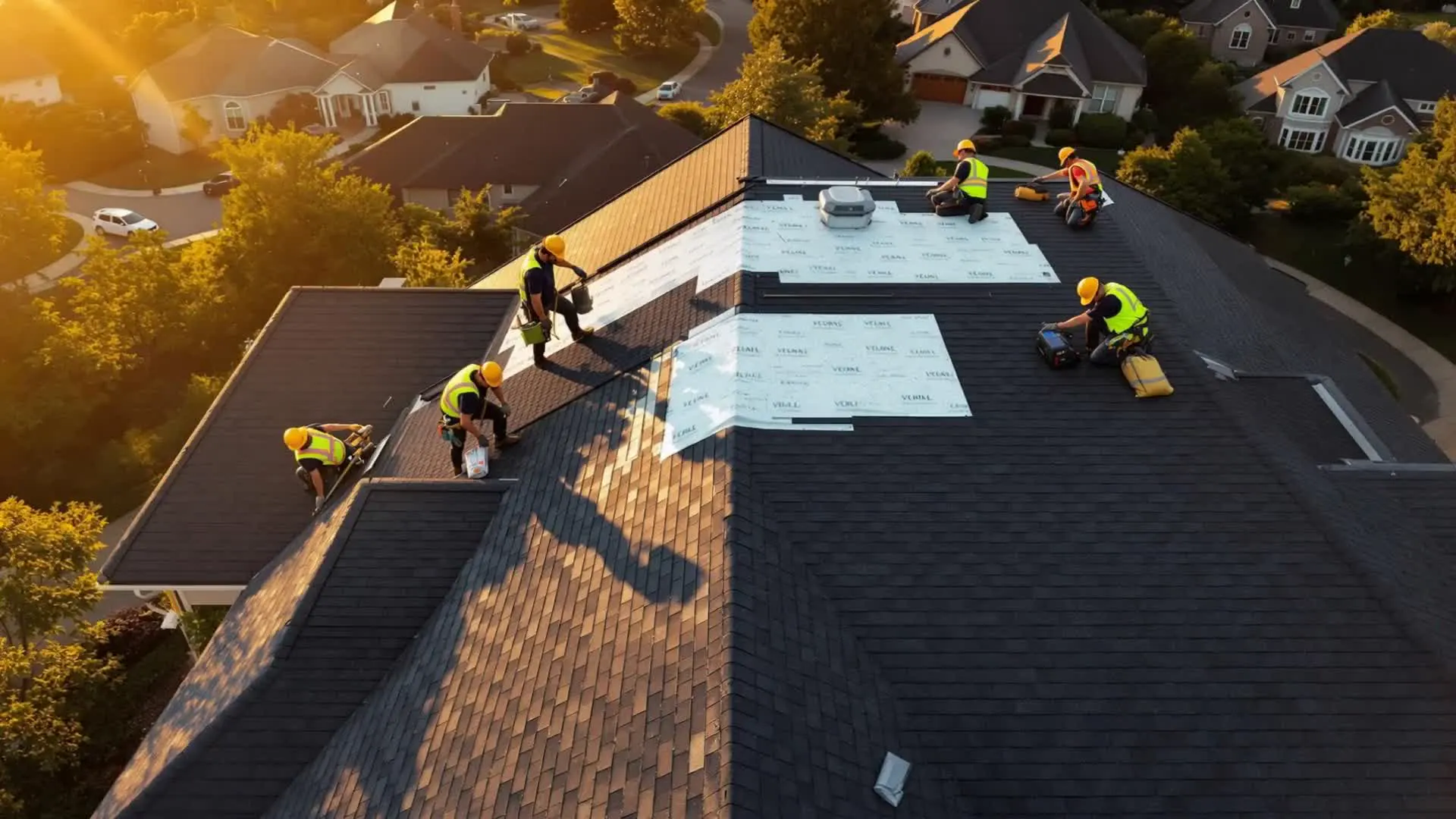
After a storm, look at your roof and panels from the ground. Loose panels, hanging wires or a monitoring app that never comes back online need a technician, not a ladder. Our post on signs you need to reinstall your solar system after storm damage lists what to watch for.
When it makes sense to talk to a professional
If outages in your area run long, or someone at home cannot go without power, backup is worth planning on paper before the next storm. A licensed technician can check your electrical panel, your solar setup and your AC, and tell you what a battery can realistically run.
Our batteries and energy storage team works with Tesla and Enphase equipment and can tell you whether your current system can take a battery. Cutting waste first also stretches any backup further, which is where energy efficiency upgrades help.
Frequently Asked Questions
Ready.gov says a closed refrigerator keeps food cold for about 4 hours. A full freezer holds about 48 hours, or about 24 if half full, as long as the doors stay shut. Throw out perishable food that has been at 40 degrees Fahrenheit or higher for two hours or more.
In most of the state, you report outages to the transmission and distribution utility that owns the lines, such as Oncor, CenterPoint, AEP Texas or TNMP, not the retail company that sends your bill. The wires company is listed under delivery or TDU charges on your bill.
A grid-tied system without a battery shuts off during an outage for safety, even in full sun. A system with a battery and backup equipment can separate the home from the grid and keep the panels recharging the battery during the day.
Sign up for TXANS at ercot.com/txans. ERCOT now sends grid notices by text message as well as email, so you hear about conservation requests and emergencies directly.
No. Generators produce carbon monoxide, which you cannot see or smell. Ready.gov says to run them outdoors, at least 20 feet from windows. Never run one in a garage, even with the door open, and use battery-powered CO alarms inside.