A generator runs as long as you can feed it fuel, so it wins on long, cloudy outages and big loads. A solar battery is silent, makes no fumes and refills from your panels, so it wins on short outages, safety and upkeep.
The short answer: they solve the same problem in different ways
Both keep your lights on when the grid goes down. The difference is where the energy comes from. A generator burns gasoline, propane or natural gas. A battery stores electricity, then gets refilled by your solar panels or the grid.
That one difference drives everything else: noise, fumes, maintenance, how long you can last, and what can go wrong. Most comparisons online come from a company that sells one of the two. This one also covers where a generator is the better tool.
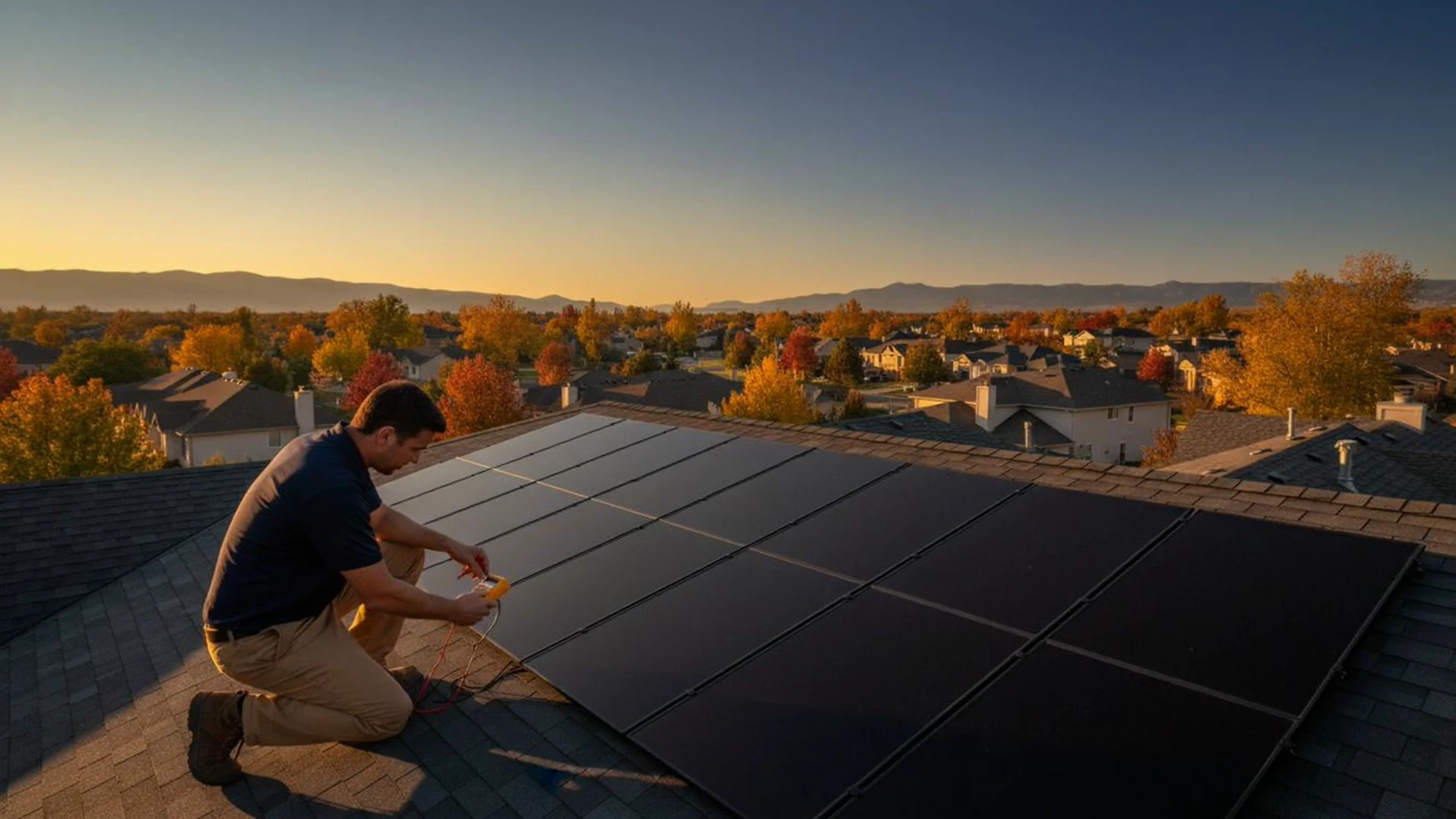
One thing first: solar panels alone do not power your home in an outage. A grid-tied system without storage shuts off so it cannot send power onto lines that crews are repairing, as the Department of Energy explains. If you already have panels, a battery is what turns them into backup.
Side by side: what actually changes day to day
- Fuel: A generator needs fuel on hand or a gas line. A battery needs sun or grid power to recharge, and nothing to buy or store.
- Run time: A generator runs as long as fuel lasts. A battery runs on its stored kWh, and solar can top it up on sunny days.
- Noise and fumes: A generator is an engine running outside your house, with exhaust. A battery makes no exhaust and is close to silent.
- Switch-over: A standby generator starts on its own after the power drops. A battery with a backup switch takes over automatically, usually fast enough that most devices keep running.
- Maintenance: A generator needs oil, filters, test runs and fuel care. A battery mostly needs monitoring through its app and a working inverter.
- Big loads: A whole-home standby generator can be sized for central AC. A battery's power limit decides which large appliances it can start.
Run time: the real advantage of a generator
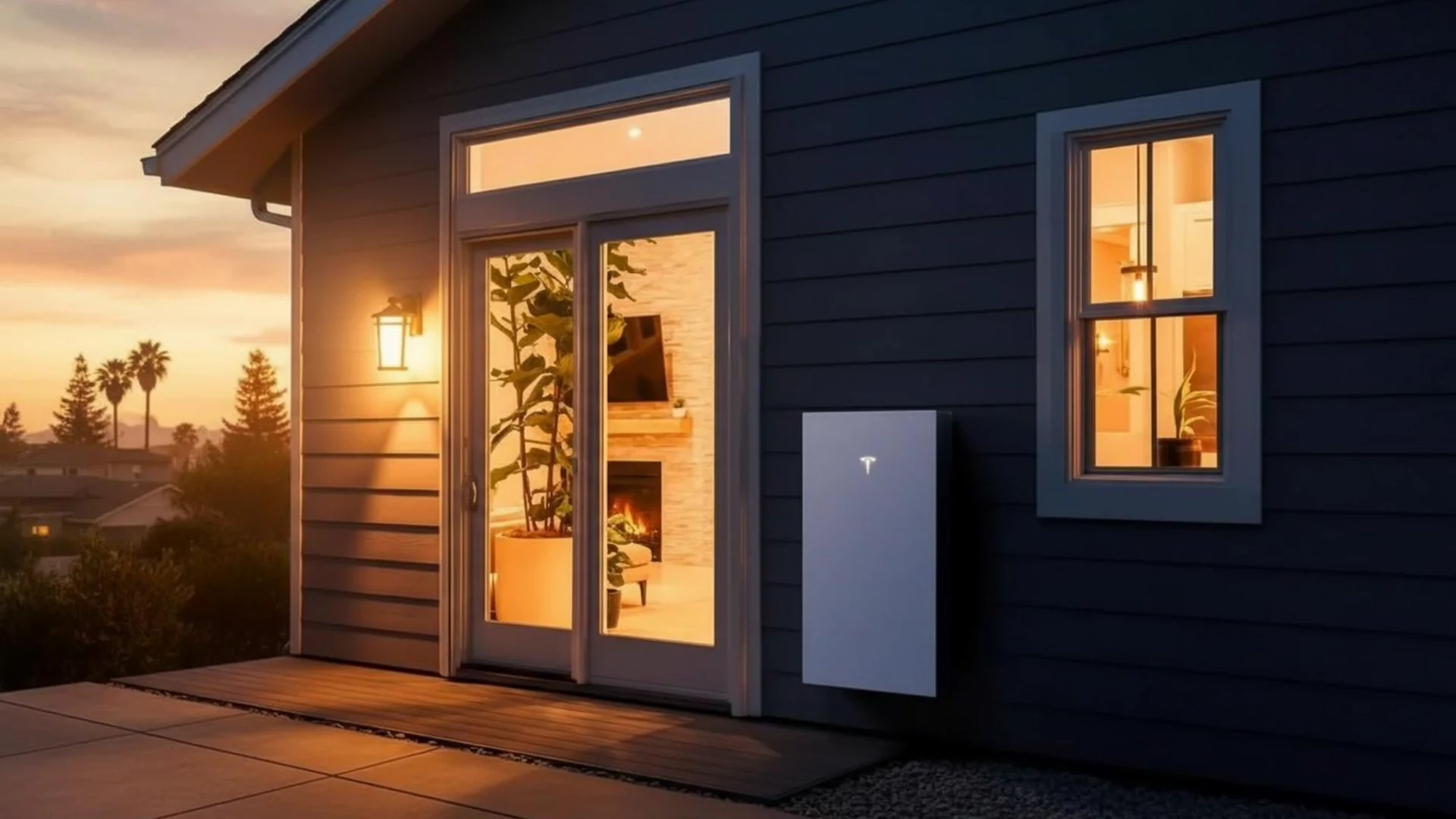
A battery is a tank of energy. A Tesla Powerwall 3, for example, lists 13.5 kWh of usable energy on its datasheet. Running central AC drains a tank like that fast. Running a fridge, lights, Wi-Fi and fans makes it last much longer. We walk through that math step by step in how long a solar battery will power your house.
With panels, the clock resets: each sunny day refills part or all of the battery. A run of cloudy, rainy days does the opposite. That is the scenario where a generator shines, because as long as fuel keeps arriving, it keeps running at full output.
The catch is the word arriving. In a widespread outage, gas stations may lose power too, and roads may be closed. Stored gasoline goes stale, so most people only keep a few days of it on hand.
A quick way to see it, as an example only: if your essentials use about 1 kWh per hour overnight, a 13.5 kWh battery covers the night with room to spare. Leave the AC on and the same battery may not reach morning. A generator does not care about the hour count, only about the fuel left.
Is natural gas always on? Not in every Texas outage
A standby generator on a natural gas line feels like unlimited fuel, and in most outages it is. But gas supply depends on the same weather that knocks out power. During the February 2021 freeze, Texas natural gas production fell 70.1 percent compared with its January average, according to the FERC and NERC staff report.
That does not mean gas generators fail in every storm, and in most outages the gas keeps flowing. It means no backup source is unlimited, and the most resilient homes do not rely on a single fuel. Solar refilling a battery is one of the few sources that does not need a delivery.
Safety: the part generator ads leave out
Portable generators produce carbon monoxide, an odorless gas that kills. The Consumer Product Safety Commission estimates about 85 deaths a year in the U.S. from CO linked to portable generators, and it says to run them outside, at least 20 feet from the home, with exhaust pointed away. Its 2022 report adds that opening windows does not make indoor use safe.
The Texas Department of Insurance gives the same 20-foot rule for doors, windows and vents, warns against using a generator in a garage even with the door open, and recommends a working CO detector inside the house.
Two more risks: plugging a generator into a wall outlet can send power back onto the utility line and endanger line workers, and refueling a hot engine is a fire hazard. A permanently installed standby unit with a transfer switch removes most of these problems, but it should be installed by a licensed electrician. A battery has no exhaust, so it adds no CO risk.
How to choose: answer these 6 questions today
- Do you already have solar panels? If yes, a battery lets you use energy you are already producing during an outage. If not, a battery alone only stores grid power.
- What must stay on? Fridge, lights, Wi-Fi and a medical device are a small load. Central AC in August is a big one. Write your list before talking to anyone.
- How long are your typical outages? A few hours to a day favors a battery. Multi-day outages with no sun favor a generator or both.
- Is there anyone at home with a medical device or who cannot handle heat? That raises how much backup you need, not just which type.
- Who will maintain it? A generator needs test runs, oil and fuel care. If no one will do that, it may not start when you need it.
- Do you have gas service and room for a unit 20 feet from openings? If not, a portable generator is harder to use safely, and a battery may fit better.
The combo many Texas homes end up with
Some homeowners pair both: the battery covers short outages silently and without fuel, and a smaller generator covers the rare long, cloudy event or helps recharge the battery. Whether your inverter and battery can accept a generator input depends on the equipment, so check that before buying anything.
If you already have panels and want to keep using them during outages, start with adding a battery to your existing solar system. If your system was installed by a company that closed, our solar repair and maintenance team works on systems from other installers too. And keep the Texas power outage prep checklist handy whatever you choose.
Our licensed technicians install batteries and energy storage and solar systems across Texas and Florida. An assessment starts with your loads and your outage history, not with a product.
Frequently Asked Questions
It depends on the job. A battery is quieter, makes no exhaust, needs little maintenance and can be refilled by your panels. A generator can run large loads for as long as you have fuel, which matters in long, cloudy outages. Many homes are best served by the one that matches their essential loads and typical outage length.
Sometimes, but it uses energy fast. Whether a battery can start and run your AC depends on the battery's power rating, the size of your AC unit and how many batteries you have. Even when it can, the AC will shorten backup time a lot, so many homes back up only essential circuits.
Usually no. Grid-tied systems without storage shut down when the grid goes down so they do not send power onto lines that utility crews are repairing. To use your panels during an outage, you need a battery and equipment designed for backup.
The Consumer Product Safety Commission and the Texas Department of Insurance both say at least 20 feet from the home, with the exhaust pointed away from doors, windows and vents. Never run one in a garage, even with the door open, and keep a working carbon monoxide detector inside.
Yes, and some homes do. The battery handles short outages without fuel or noise, and the generator covers long ones. Some battery systems can accept a generator to recharge, but not all, so confirm compatibility with your inverter and battery before buying.