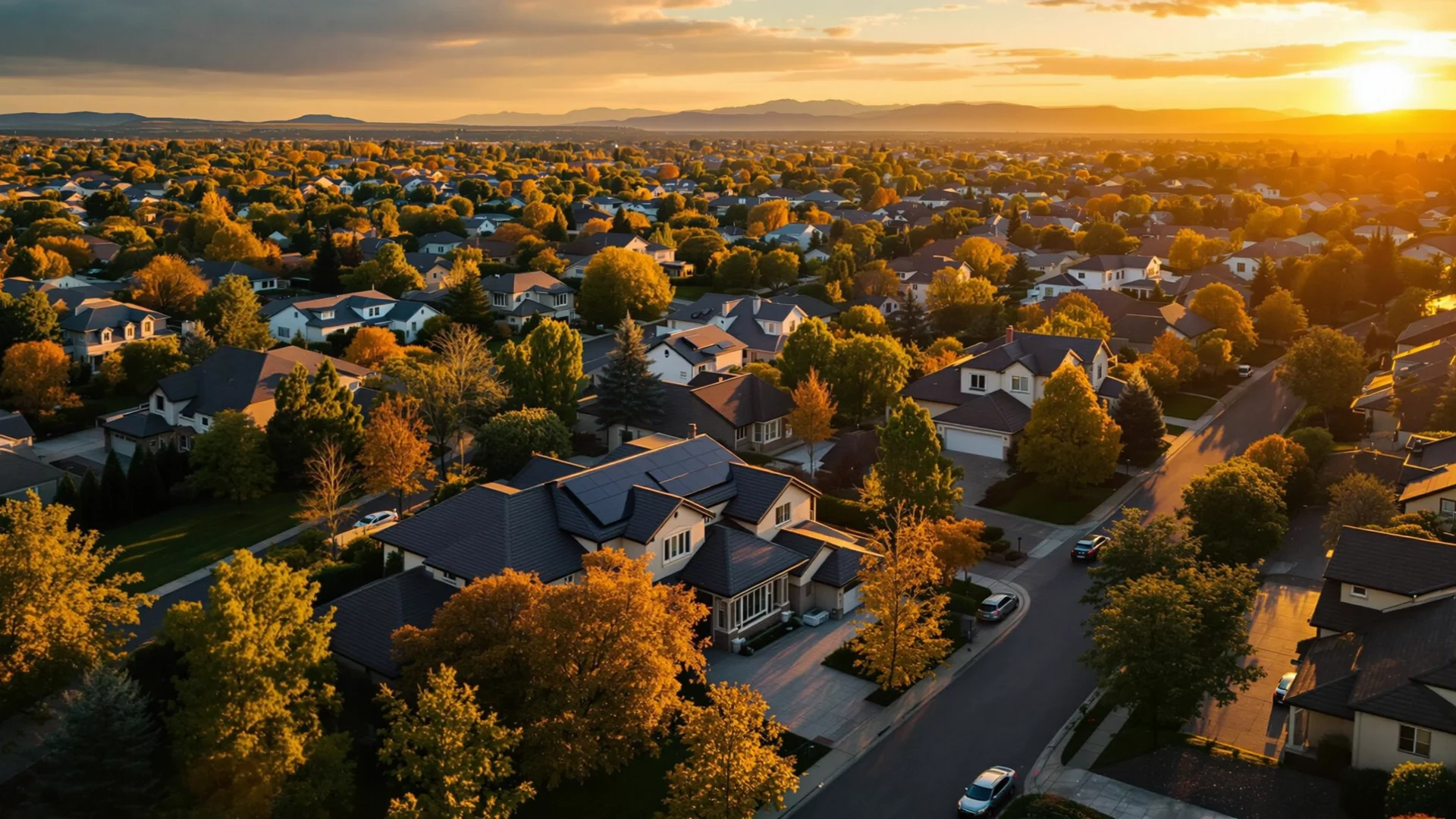
Solar Panel Installation in Jasmine Estates, FL
America’s #1 Choice for Energy Independence
Custom-designed systems that lower your bills, increase your home value, and give you full energy control.
By submitting or calling, you consent to receive calls and SMS from The Light Group USA at the number provided, including via auto-dialer or pre-recorded messages. Consent is not required for purchase. Msg/data rates may apply. Reply STOP to opt out. See our Privacy Policy.

Start saving on your energy bills today
Get a custom solar plan designed for your home.
By submitting or calling, you consent to receive calls and SMS from The Light Group USA at the number provided, including via auto-dialer or pre-recorded messages. Consent is not required for purchase. Msg/data rates may apply. Reply STOP to opt out. See our Privacy Policy.
Going solar in Jasmine Estates
Start with the meter, because in Jasmine Estates there is not one answer. Most of the neighborhood is served by Withlacoochee River Electric Cooperative, roughly three quarters of it, everything from the middle of the map east toward Little Road. A strip immediately east of US 19, plus a pocket inside, falls to Duke Energy Florida. East of Regency Park Boulevard is co-op territory with near certainty; the highway frontage is not.
That is not trivia. A cooperative is member-owned and writes its own interconnection requirements and its own export credit, which does not have to match the retail-rate, one-for-one treatment that FPL, Duke and Tampa Electric apply. Two houses a few blocks apart can therefore carry different economics for the same array. The provider gets confirmed for the specific address, from the meter and the bill, before any number goes on paper.
Geographically the community sits inland of US 19, with Embassy Boulevard running east to west through it, and the water inside its boundaries is a handful of freshwater lakes rather than anything tidal. Salt is not the design driver here. Heat is. Cells lose output as they warm, and afternoon temperatures in west Pasco stay high for months, so mounting height, airflow and where the inverter lives all show up in the annual yield.
The housing is largely single-story and built for a different era of energy use, which makes a twelve-month consumption history far more useful than square footage. Because this is an unincorporated community, permits run through Pasco County rather than a city building department. Roof condition is checked before a layout exists. Crews reach the area from Tampa, which is a normal drive rather than a special trip.
What we settle before a Jasmine Estates install
Common questions about solar service in Jasmine Estates
Mostly Withlacoochee River Electric Cooperative, which serves roughly three quarters of the community, from the middle of the map east toward Little Road. A narrow strip just east of US 19, plus an interior pocket, is Duke Energy Florida. Because the boundary runs through the neighborhood, the provider is confirmed address by address from the meter and the bill.
Not necessarily. FPL, Duke Energy Florida and Tampa Electric credit exports at the retail rate. A member-owned cooperative sets its own interconnection terms and its own credit rate, so the calculation has to run on that tariff. This is the single biggest reason a proposal written for a nearby town may not apply on this side of US 19.
No, because Jasmine Estates is not incorporated. Permitting and inspections go through Pasco County. Ridge Road bounds the community on the south, US 19 on the west and Little Road on the east, and everything inside is county jurisdiction. The submittal covers the structural attachment and the electrical work.
No. The Gulf is a few kilometers west, but the community sits east of US 19 and none of the water inside it is tidal, only freshwater lakes. The corrosion package a waterfront home needs is not the driver here. Heat management, shading and keeping the modules clean matter far more to what the array produces.
After the county inspection passes and the cooperative approves the interconnection application. That authorization, permission to operate, is the last gate, and the array stays off until it arrives. Because the cooperative runs its own process, its requirements and its queue set that timeline rather than a statewide standard.
Other solar work we do here
Solar Installation near Jasmine Estates
Crews based in Orlando and Tampa, covering 112 cities statewide.
Tampa Bay
- Apollo Beach
- Auburndale
- Bartow
- Bayonet Point
- Bayshore Gardens
- Bloomingdale
- Bradenton
- Brandon
- Carrollwood
- Citrus Park
- Clearwater
- Davenport
- Dunedin
- East Lake
- East Lake-Orient Park
- Egypt Lake-Leto
- Elfers
- Englewood
- Fish Hawk
- Four Corners
- Fruitville
- Gibsonton
- Haines City
- Holiday
- Jasmine Estates
- Keystone
- Lake Magdalene
- Lake Wales
- Lakeland
- Lakewood Ranch
- Land O' Lakes
- Largo
- Lealman
- Lutz
- New Port Richey
- North Port
- Northdale
- Palm Harbor
- Palm River-Clair Mel
- Palmer Ranch
- Pinellas Park
- Plant City
- Poinciana
- Riverview
- Ruskin
- Safety Harbor
- Sarasota
- Seminole
- South Bradenton
- South Venice
- St. Petersburg
- Sun City Center
- Tampa
- Tarpon Springs
- Temple Terrace
- Thonotosassa
- Town 'n' Country
- Trinity
- University
- Valrico
- Venice
- Wesley Chapel
- Westchase
- Wimauma
- Winter Haven
- Zephyrhills
We also cover Central Florida, Space Coast. See every Florida city we service.