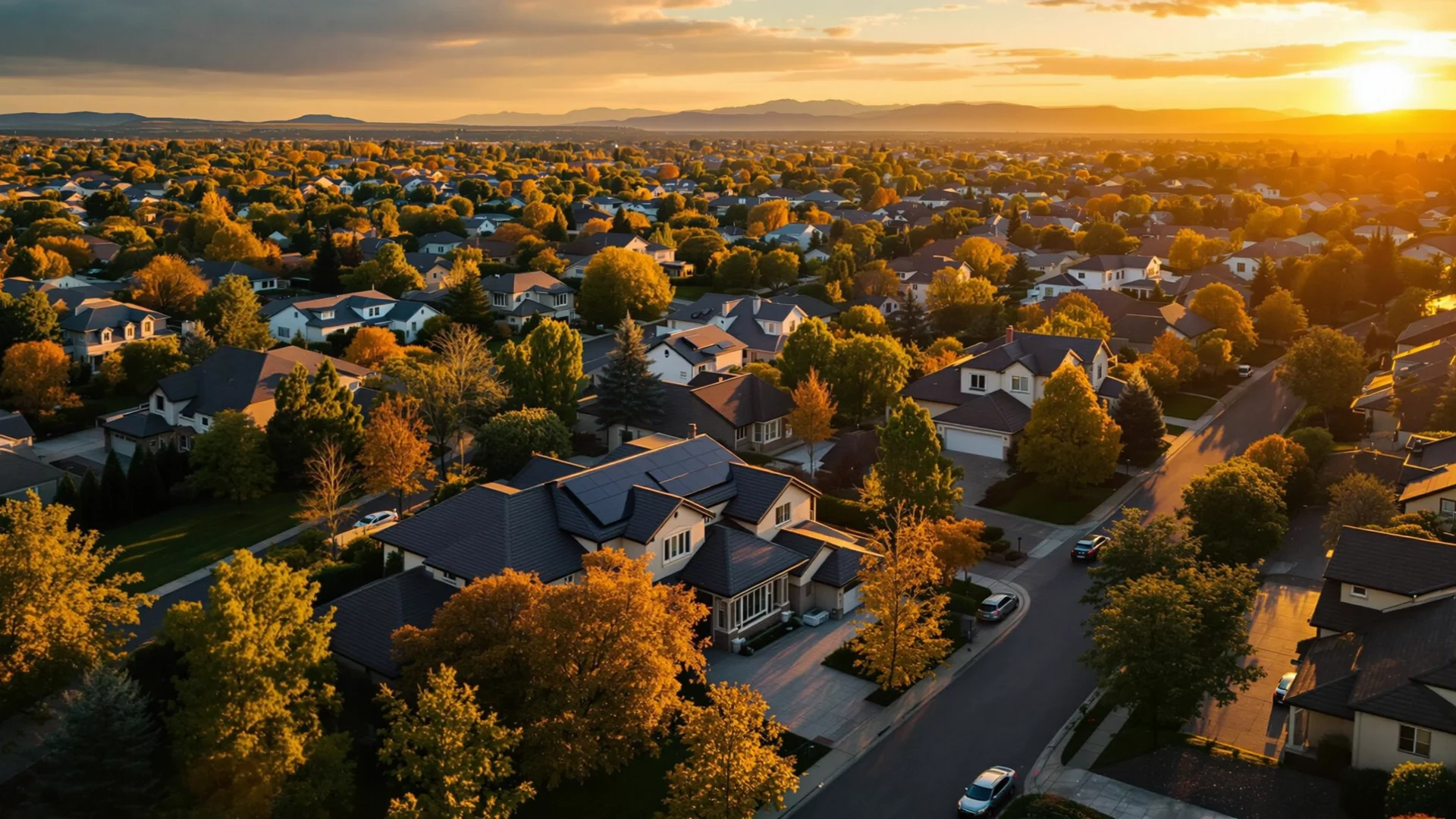
Solar Panel Installation in Plant City, FL
America’s #1 Choice for Energy Independence
Custom-designed systems that lower your bills, increase your home value, and give you full energy control.
By submitting or calling, you consent to receive calls and SMS from The Light Group USA at the number provided, including via auto-dialer or pre-recorded messages. Consent is not required for purchase. Msg/data rates may apply. Reply STOP to opt out. See our Privacy Policy.

Start saving on your energy bills today
Get a custom solar plan designed for your home.
By submitting or calling, you consent to receive calls and SMS from The Light Group USA at the number provided, including via auto-dialer or pre-recorded messages. Consent is not required for purchase. Msg/data rates may apply. Reply STOP to opt out. See our Privacy Policy.
Going solar in Plant City
Plant City sits in the part of the country that takes the most lightning, about twenty-three kilometers inland from Tampa Bay off Interstate 4, near the Florida Strawberry Festival grounds. That geography shapes the parts of a solar installation nobody photographs: grounding, bonding, and surge protection at the array and at the service panel. It is unglamorous work, and it is the difference between a storm being an inconvenience and a storm being an inverter replacement.
Tampa Electric serves the address, and TECO credits exported energy at the retail rate, one for one. That keeps the model simple: a kilowatt-hour sent out at two in the afternoon offsets one pulled back at nine at night, at the same value. The interconnection application goes to TECO, who reviews it, and the system cannot be energized until permission to operate is issued. Scheduling around that step is part of an honest timeline.
The roof decides the order of operations. Mounting a twenty-five-year system over a covering with five years left guarantees paying for removal and reinstallation later. Florida's wind provisions apply here too, with inland design pressures rather than coastal, but with an engineered attachment schedule all the same. Hurricane season, June 1 through November 30, tends to crowd both the permitting queue and the roofing trades at once.
Sizing comes from twelve months of bills, not from how many panels fit. Households with seasonal swings, a well pump, a workshop, a pool, look very different in July than in February, and an array built to the roof rather than to the meter overshoots. After setbacks and the fire-access pathways the code requires, usable area is usually smaller than a satellite image suggests, which is worth knowing before a number is quoted.
What we settle before a Plant City install
Common questions about solar service in Plant City
It is a real design consideration, which is why grounding, bonding and surge protection are specified rather than left to a default. Central Florida and Tampa Bay see more lightning than any other part of the country. Most storm damage to solar equipment arrives as a surge through the wiring rather than a direct strike, and that is what the protection targets.
Tampa Electric serves Plant City, and TECO credits exported energy at the retail rate, one for one. That is the same treatment FPL and Duke apply and differs from Florida's municipal utilities and cooperatives, which set their own terms. Your bill confirms the provider for a specific address, and we verify it at the meter during the site visit.
The install itself is short; the process around it is not. It runs site assessment, engineering, building permit, installation, inspection, then TECO's interconnection review and permission to operate. Only after that authorization may the array legally produce. The permit and utility queues are the two waits nobody controls, and both are slower through hurricane season.
Only if it is near the end of its life, which usually means about five years of remaining service. The array will outlast the covering by decades, and reroofing underneath it later means paying to remove and reinstall the entire system. The site assessment checks the covering, the deck, and the framing that will carry the attachment.
Florida law significantly limits what an association can prohibit regarding solar, though an association may still address placement where the array is visible. We do not interpret the statute for a specific community. The practical step is submitting the proposed layout for review early and keeping the written response on file before equipment is ordered.
Other solar work we do here
Solar Installation near Plant City
Crews based in Orlando and Tampa, covering 112 cities statewide.
Tampa Bay
- Apollo Beach
- Auburndale
- Bartow
- Bayonet Point
- Bayshore Gardens
- Bloomingdale
- Bradenton
- Brandon
- Carrollwood
- Citrus Park
- Clearwater
- Davenport
- Dunedin
- East Lake
- East Lake-Orient Park
- Egypt Lake-Leto
- Elfers
- Englewood
- Fish Hawk
- Four Corners
- Fruitville
- Gibsonton
- Haines City
- Holiday
- Jasmine Estates
- Keystone
- Lake Magdalene
- Lake Wales
- Lakeland
- Lakewood Ranch
- Land O' Lakes
- Largo
- Lealman
- Lutz
- New Port Richey
- North Port
- Northdale
- Palm Harbor
- Palm River-Clair Mel
- Palmer Ranch
- Pinellas Park
- Plant City
- Poinciana
- Riverview
- Ruskin
- Safety Harbor
- Sarasota
- Seminole
- South Bradenton
- South Venice
- St. Petersburg
- Sun City Center
- Tampa
- Tarpon Springs
- Temple Terrace
- Thonotosassa
- Town 'n' Country
- Trinity
- University
- Valrico
- Venice
- Wesley Chapel
- Westchase
- Wimauma
- Winter Haven
- Zephyrhills
We also cover Central Florida, Space Coast. See every Florida city we service.