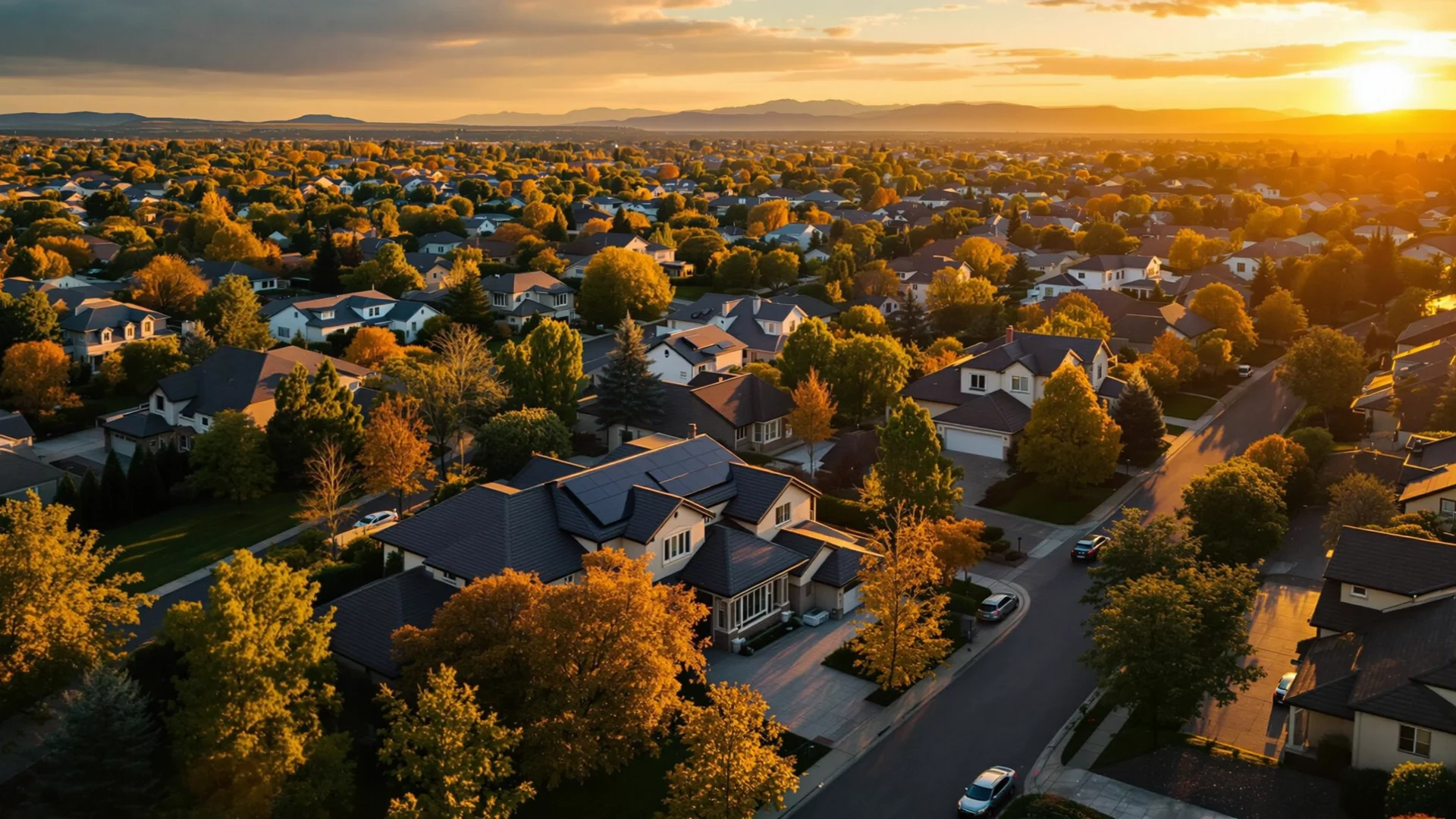
Solar Panel Installation in Tampa, FL
America’s #1 Choice for Energy Independence
Custom-designed systems that lower your bills, increase your home value, and give you full energy control.
By submitting or calling, you consent to receive calls and SMS from The Light Group USA at the number provided, including via auto-dialer or pre-recorded messages. Consent is not required for purchase. Msg/data rates may apply. Reply STOP to opt out. See our Privacy Policy.

Start saving on your energy bills today
Get a custom solar plan designed for your home.
By submitting or calling, you consent to receive calls and SMS from The Light Group USA at the number provided, including via auto-dialer or pre-recorded messages. Consent is not required for purchase. Msg/data rates may apply. Reply STOP to opt out. See our Privacy Policy.
Going solar in Tampa
Tampa is a city of very different roofs. A bungalow north of downtown, a two-story off Bayshore Boulevard and a newer house out toward the northeast corner of the county have almost nothing in common structurally, and a solar design that ignores that difference is just a template with your address typed on it. The array layout, the attachment schedule and the electrical work all follow the specific building, not the city.
The utility question is the simplest one in the region. Tampa Electric serves the city and credits exported energy at the retail rate, one kilowatt-hour for one, which keeps the savings arithmetic clean. What remains is process. TECO reviews the interconnection application, examines system size, inverter equipment and service capacity, and the array is not permitted to produce until permission to operate is issued in writing.
Two local conditions shape the hardware. Bayshore Boulevard runs along Hillsborough Bay, and salt carried inland attacks rails, bolts, grounding lugs and MC4 connectors, corroding inside the housing where nobody looks. Tampa Bay also sits in the most lightning-prone part of the country, which makes grounding, bonding and surge protection an engineering requirement on a rooftop array rather than an accessory line on the invoice.
Our crew is based in Tampa, which means the site assessment, the roof measurements and the permit filing with the city are handled by people who work here. That still starts with roof age, because panels are a multi-decade commitment and shingles are not. If your roof is close to replacement, the honest answer is roofing first, and hearing that early is cheaper than hearing it in year six.
What we settle before a Tampa install
Common questions about solar service in Tampa
Yes, at the retail rate, one kilowatt-hour for one, applied against your bill. That is the same treatment FPL and Duke Energy Florida give their customers and it differs from what Florida municipal utilities and cooperatives offer. Since TECO serves the city, the credit structure in Tampa is consistent across the address.
No, but it changes the engineering. Tampa Bay is the most lightning-active area in the country, and a rooftop array introduces conductive hardware and long DC runs. Proper bonding, grounding and surge protection on both the DC and AC sides address that. It should be specified in the proposal, not assumed.
If your address is inside the city limits, yes, the building and electrical permits are pulled through the City of Tampa. Parcels in unincorporated Hillsborough County go through the county instead. We verify jurisdiction before filing, and the utility interconnection application runs on a separate, parallel track.
Often, but the roof and the electrical service both get evaluated first. Older framing, older decking and an older service panel each affect what can be mounted and how the system ties in. We assess structure, roof age and panel capacity before proposing a size, rather than after.
Sized to twelve months of real consumption rather than to available roof space. Florida usage skews heavily toward the cooling season, so a full year of billing history is the only input that captures both the summer peak and the mild months. The design then gets checked against TECO's interconnection rules.
Solar Installation near Tampa
Crews based in Orlando and Tampa, covering 112 cities statewide.
Tampa Bay
- Apollo Beach
- Auburndale
- Bartow
- Bayonet Point
- Bayshore Gardens
- Bloomingdale
- Bradenton
- Brandon
- Carrollwood
- Citrus Park
- Clearwater
- Davenport
- Dunedin
- East Lake
- East Lake-Orient Park
- Egypt Lake-Leto
- Elfers
- Englewood
- Fish Hawk
- Four Corners
- Fruitville
- Gibsonton
- Haines City
- Holiday
- Jasmine Estates
- Keystone
- Lake Magdalene
- Lake Wales
- Lakeland
- Lakewood Ranch
- Land O' Lakes
- Largo
- Lealman
- Lutz
- New Port Richey
- North Port
- Northdale
- Palm Harbor
- Palm River-Clair Mel
- Palmer Ranch
- Pinellas Park
- Plant City
- Poinciana
- Riverview
- Ruskin
- Safety Harbor
- Sarasota
- Seminole
- South Bradenton
- South Venice
- St. Petersburg
- Sun City Center
- Tampa
- Tarpon Springs
- Temple Terrace
- Thonotosassa
- Town 'n' Country
- Trinity
- University
- Valrico
- Venice
- Wesley Chapel
- Westchase
- Wimauma
- Winter Haven
- Zephyrhills
We also cover Central Florida, Space Coast. See every Florida city we service.