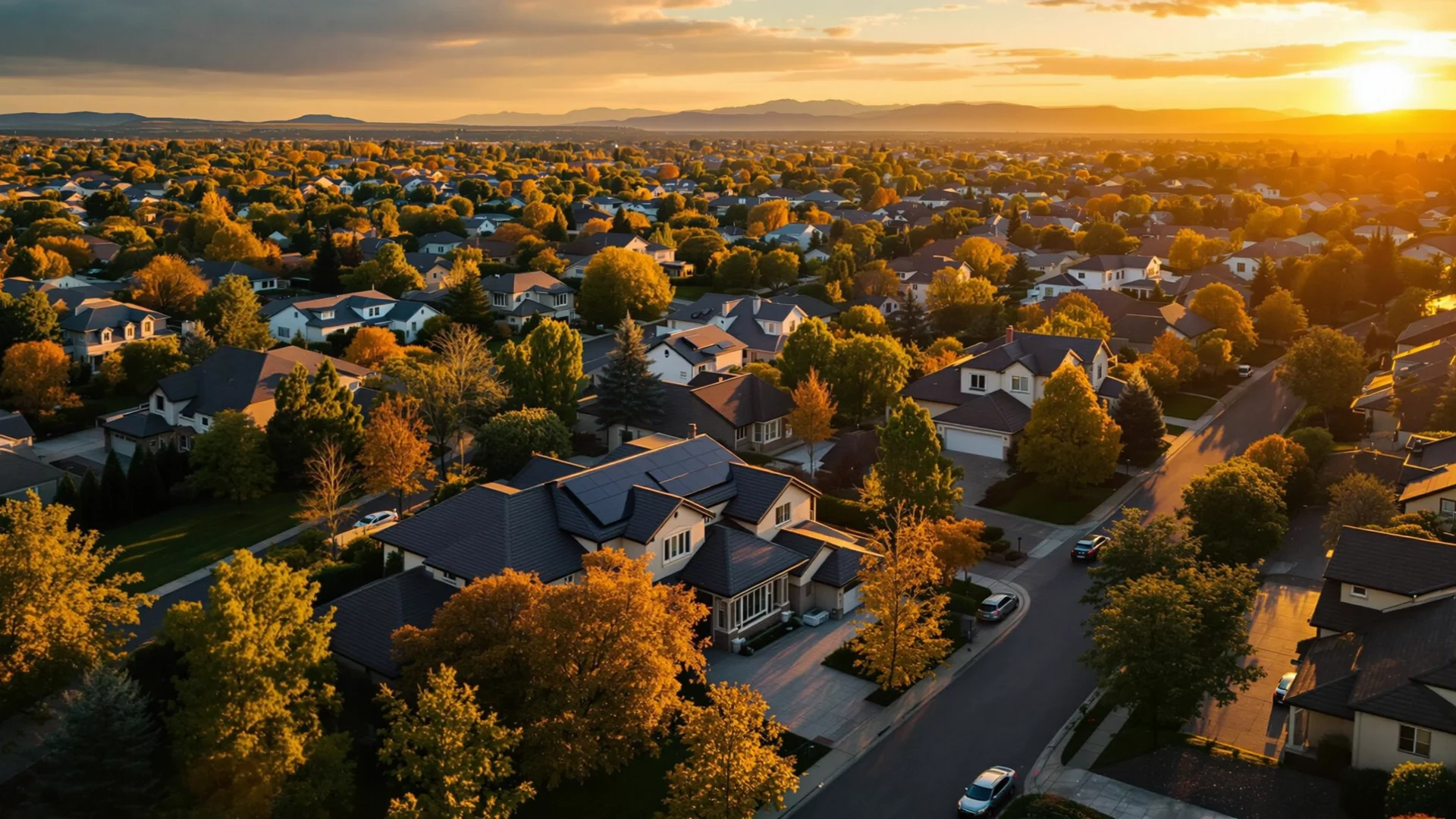
Solar Panel Installation in Apollo Beach, FL
America’s #1 Choice for Energy Independence
Custom-designed systems that lower your bills, increase your home value, and give you full energy control.
By submitting or calling, you consent to receive calls and SMS from The Light Group USA at the number provided, including via auto-dialer or pre-recorded messages. Consent is not required for purchase. Msg/data rates may apply. Reply STOP to opt out. See our Privacy Policy.

Start saving on your energy bills today
Get a custom solar plan designed for your home.
By submitting or calling, you consent to receive calls and SMS from The Light Group USA at the number provided, including via auto-dialer or pre-recorded messages. Consent is not required for purchase. Msg/data rates may apply. Reply STOP to opt out. See our Privacy Policy.
Going solar in Apollo Beach
Apollo Beach sits on Tampa Bay with canals running behind a large share of its homes, and the Manatee Viewing Center at the Big Bend power station marks the south end of it. That waterfront geography is the first thing that shapes a solar installation here. The panels themselves handle marine air well. The parts that hold them to the roof, meaning rails, bolts, grounding lugs and MC4 connectors, are where salt does its quiet work.
Tampa Electric serves Apollo Beach, and as an investor-owned utility it credits exported energy at the retail rate, one for one. That single fact moves the payback math more than any panel brand or inverter model. Before construction, an interconnection application goes to TECO, the utility reviews the design against its own limits, and the array cannot be energized until permission to operate comes back in writing. We prepare that paperwork and you sign it.
A roof with five years left is the wrong place for a twenty-five-year array. Taking panels down and putting them back to reroof is real money, paid twice. Coastal exposure shortens that clock, since shingles near the bay weather faster and flashing and fasteners corrode sooner. When the roof is close to the end, the honest sequence is roof first and panels after, even when that pushes the project a season.
Hillsborough County follows the wind provisions of the Florida code, and a coastal address raises the attachment requirement: more anchors, specified fasteners, and an engineered calculation stamped for the permit set. Hurricane season runs June 1 through November 30, so scheduling matters too. Permitting runs through the county for unincorporated addresses, and any homeowners association review gets requested and documented before equipment is ordered rather than after.
What we settle before a Apollo Beach install
Common questions about solar service in Apollo Beach
Tampa Electric serves Apollo Beach. As a state-regulated investor-owned utility, TECO credits energy your system exports at the retail rate, one for one, so an exported kilowatt-hour offsets one you pull back later. Confirm the account on your bill, since service territory follows the street address rather than the neighborhood name.
Not until the utility issues permission to operate. The sequence runs design, permit, installation, inspection, then TECO review and written authorization to energize. Each step has its own queue, so the switch-on date depends on the permit office and the utility rather than on how quickly panels go onto the roof.
That depends on remaining life, not age by itself. A fifteen-year-old shingle roof near the bay may have several good years or almost none, depending on the shingle, the ventilation and past repairs. If it is close to done, replacing first costs less than removing and reinstalling the array later on.
It changes the metal. Panels tolerate salt air well; racking, fasteners, grounding lugs and connectors are the parts that corrode, often inside the housing where nobody sees it. Waterfront addresses call for marine-rated hardware, separation of dissimilar metals and sealed penetrations. Look for that specification in writing before signing anything.
State law sharply limits what an association can prohibit on residential solar, though it can still weigh in on placement that faces the street. The practical route is to submit the design for review, get the answer in writing, and file it with the permit. Doing that before ordering equipment prevents an argument later.
Other solar work we do here
Solar Installation near Apollo Beach
Crews based in Orlando and Tampa, covering 112 cities statewide.
Tampa Bay
- Apollo Beach
- Auburndale
- Bartow
- Bayonet Point
- Bayshore Gardens
- Bloomingdale
- Bradenton
- Brandon
- Carrollwood
- Citrus Park
- Clearwater
- Davenport
- Dunedin
- East Lake
- East Lake-Orient Park
- Egypt Lake-Leto
- Elfers
- Englewood
- Fish Hawk
- Four Corners
- Fruitville
- Gibsonton
- Haines City
- Holiday
- Jasmine Estates
- Keystone
- Lake Magdalene
- Lake Wales
- Lakeland
- Lakewood Ranch
- Land O' Lakes
- Largo
- Lealman
- Lutz
- New Port Richey
- North Port
- Northdale
- Palm Harbor
- Palm River-Clair Mel
- Palmer Ranch
- Pinellas Park
- Plant City
- Poinciana
- Riverview
- Ruskin
- Safety Harbor
- Sarasota
- Seminole
- South Bradenton
- South Venice
- St. Petersburg
- Sun City Center
- Tampa
- Tarpon Springs
- Temple Terrace
- Thonotosassa
- Town 'n' Country
- Trinity
- University
- Valrico
- Venice
- Wesley Chapel
- Westchase
- Wimauma
- Winter Haven
- Zephyrhills
We also cover Central Florida, Space Coast. See every Florida city we service.