Most home solar systems shut off during a power outage, even on a sunny day. To keep power on, you need a battery or an inverter built to run without the grid, plus a switch that disconnects your home from the utility lines.
The short answer: no, unless your system was built for it
If your panels connect to the grid and you have no battery, your home goes dark with everyone else on the street. That surprises a lot of owners, because the panels are still in the sun. As this EnergySage guide to solar and outages explains, the inverter disconnects so your panels cannot send power into lines that repair crews may be working on.
Tesla says the same thing in plain words on its Powerwall system design page: a traditional solar system without a battery does not function during a grid outage. With a battery, the home can run on solar and stored power while the grid is down.
So the real question is not whether solar works in an outage. It is whether your system was designed and installed to do it.
Why a sunny day does not help: anti-islanding
An island is a piece of the grid that stays energized after the utility has cut it off. That is dangerous. A lineworker who expects a dead line could touch one that your roof is feeding. So every grid-tied inverter watches the grid, and when the grid disappears, it stops producing almost immediately. This is called anti-islanding.
The rule behind it is the interconnection standard IEEE 1547, which inverters are tested against before they can be connected. NREL's overview of IEEE 1547-2018 notes that IEEE standards are voluntary on their own and become required when state regulators and utilities adopt them into local interconnection rules.
There is a second reason a standard inverter cannot just keep running. It needs the grid's voltage as a reference to sync with. With no grid signal to follow, it has nothing to build power on. That is why the fix is not a setting in the app. It takes hardware that can create its own stable voltage and separate your home from the street.
Three setups that keep power on during an outage
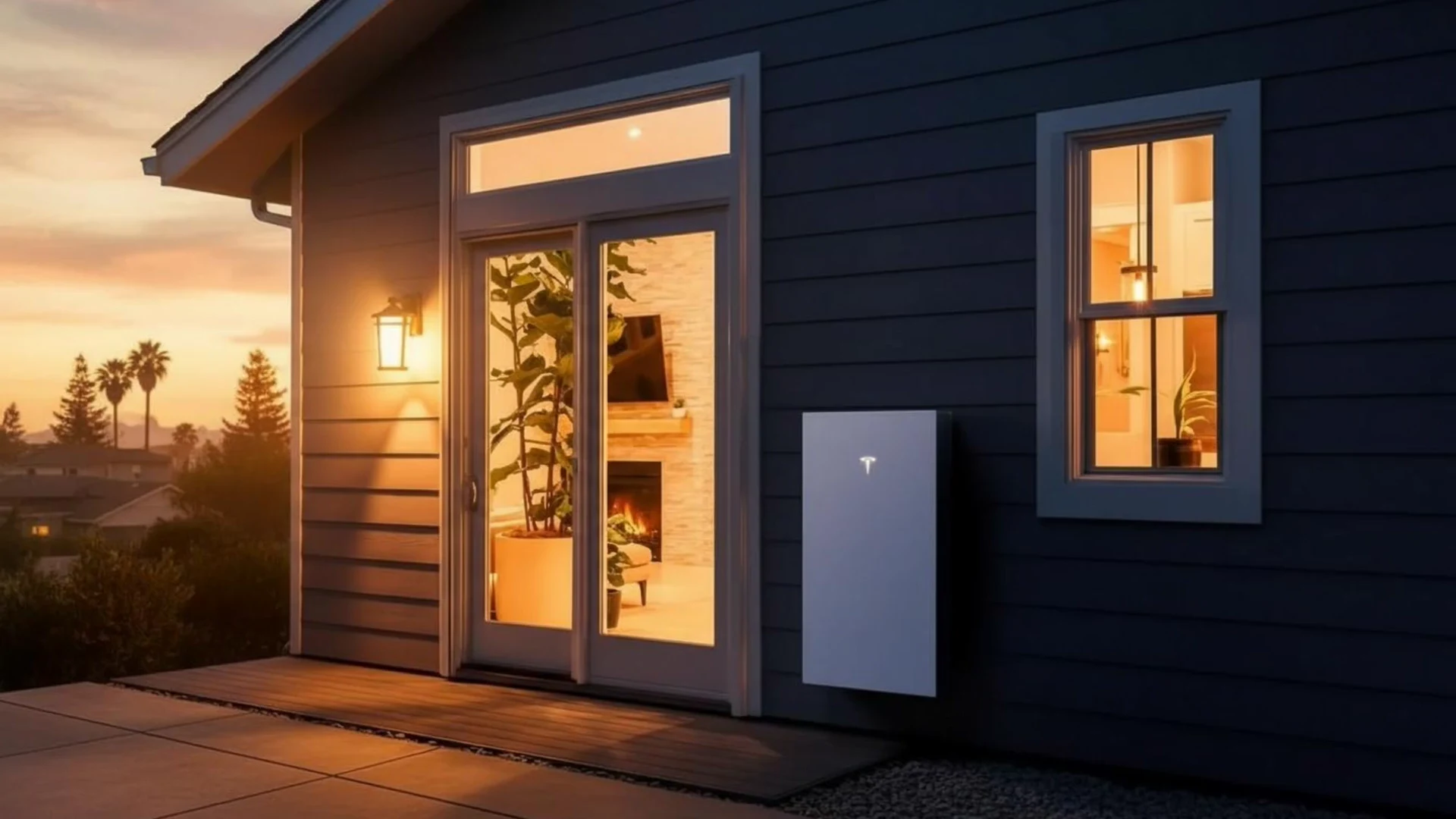
- Solar plus a battery: The most complete option. A gateway or transfer switch disconnects the home from the grid, the battery powers your backed-up circuits, and the panels recharge it during the day.
- Battery-free daytime backup: Some newer microinverters can form their own small grid and run a few essential loads while the sun is up, with no battery. Nothing at night.
- An emergency outlet on the inverter: A few string inverters have a single outlet that works from the panels during a daytime outage. Enough to charge phones or run a fridge, not the house.
- Off-grid systems: Homes with no utility connection at all are not affected by grid outages. That is a different design, with its own equipment and costs.
What each option actually gives you
A battery is the only one of these that keeps working after sunset. Tesla's guide to best practices during power outages also shows the limits: if the battery is nearly empty when the outage starts, the home can lose power and the battery waits for solar the next morning. Your backup reserve setting matters more than most people think.
Battery-free backup is real, but narrow. Enphase describes its Sunlight Backup as a way to power high-priority loads during a daytime outage with grid-forming IQ8 microinverters and no battery. It needs extra equipment to switch the home off the grid and manage loads, and a passing cloud cuts what it can carry.
The emergency outlet is the most basic. SMA says the Secure Power Supply on its newer Sunny Boy inverters provides up to 2,000 watts during a grid outage. That is one 120-volt outlet in daylight, not a central AC unit.
Check what your own system will do, in 10 minutes
- Look for a battery or gateway. Near your meter or in the garage, look for a battery unit and a box labeled backup gateway, backup switch, system controller or transfer switch. No battery and no switch usually means no backup.
- Find the inverter model. Read the label on the wall unit, or on the gateway if you have microinverters. Search the model with the words backup or outage to see if it supports any off-grid mode.
- Check your paperwork. Your contract or permit drawings say whether the job included backup, and which circuits are backed up. Many systems were sold without it.
- Open your monitoring app. Battery systems show a backup reserve or storm setting. If you cannot find one, you likely do not have backup. Our guide on how to read your solar monitoring app shows where to look.
- Note what you need to keep running. Fridge, internet, lights, a medical device, a fan or the AC. That list decides what kind of backup makes sense and how big it has to be.
Texas reality: heat, AC and choosing what stays on
In Texas, long outages often come with a heat wave, a hurricane or a winter storm. That is exactly when you need the AC or heat, and those are the heaviest loads in the house. A battery that runs the fridge and lights all night may not run a central AC at all, so the plan has to start from your load list.
Many homes back up a group of essential circuits rather than the whole panel. If you want to estimate run time, our guide on how long a solar battery will power your house walks through the math with an example. For outage prep beyond solar, see the Texas power outage prep checklist.
The U.S. Department of Energy notes on its solar and resilience basics page that in a long outage, solar with energy storage can keep delivering power, even at night. The key words are with storage.
Mistakes to avoid when the power goes out
- Assuming the panels will keep the house on because it is sunny. Plan as if they will not, until you have checked.
- Plugging a portable generator into a wall outlet or wiring it to the panel without a transfer switch. Wisconsin's consumer agency warns that generator backfeed can electrocute utility workers on the lines.
- Trying to bypass the inverter's shutdown or rewire the system yourself. The shutdown is a safety feature, and tampering can void warranties.
- Letting the battery reserve sit low before a named storm. Raise it a day or two ahead.
- Buying a battery without checking it works with your existing inverter. Read our guide to adding a battery to your existing solar system in Texas first, and compare it with a generator in solar battery vs generator.
When to get a professional look
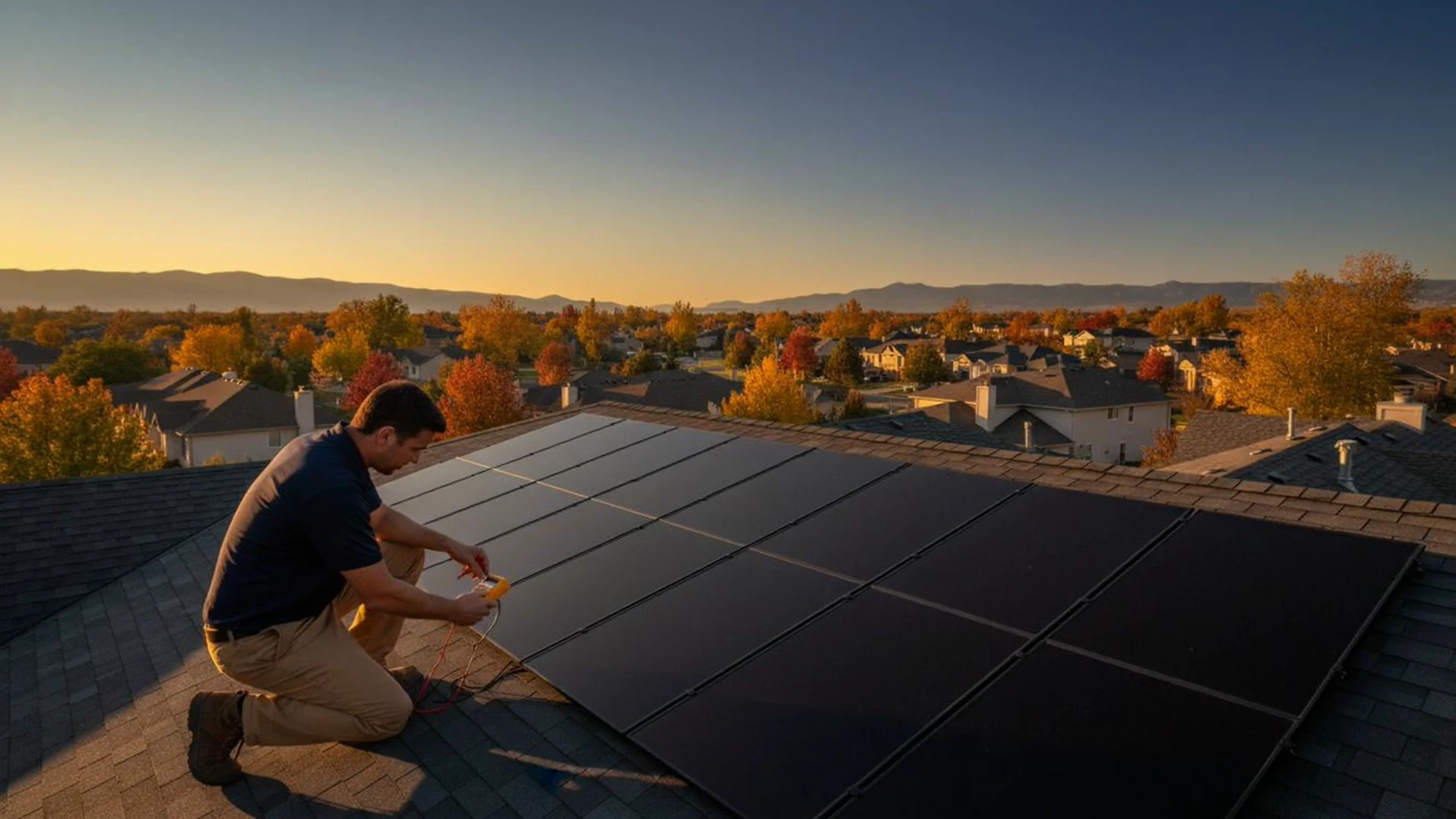
If you want backup, the first step is a compatibility check of what is already on your roof and wall: inverter type, age, panel capacity, your main electrical panel and the circuits you want to keep on. That decides whether you need a battery that pairs with your current inverter, a new inverter, or a simpler daytime option.
Our licensed and insured technicians handle battery and energy storage projects, solar repair and maintenance on systems installed by other companies, and new solar installation designed with backup from day one. Call (844) 440-7322 or request an assessment.
Frequently Asked Questions
Because your inverter is doing its job. Grid-tied inverters are required to shut off when the grid goes down so they do not send power into lines that crews may be repairing. Without a battery or a grid-forming inverter and a way to disconnect from the grid, the system stays off until utility power returns.
Only with specific equipment. Some newer microinverters can run a few essential loads during the day without a battery, and some string inverters have one emergency outlet that works in daylight. Both stop at night or under heavy clouds. A standard grid-tied system with no backup equipment will not power anything.
With a properly installed solar plus battery system, yes. The gateway disconnects your home from the grid, and the panels recharge the battery during the day while it powers your backed-up circuits. How much it recharges depends on the sun, the size of the array and how much power the house is using.
In many cases, yes. Existing systems can often add a battery, either one that pairs with the current inverter or one with its own inverter. The right choice depends on your inverter type and age, the size of your array and your electrical panel, so a compatibility check comes first.