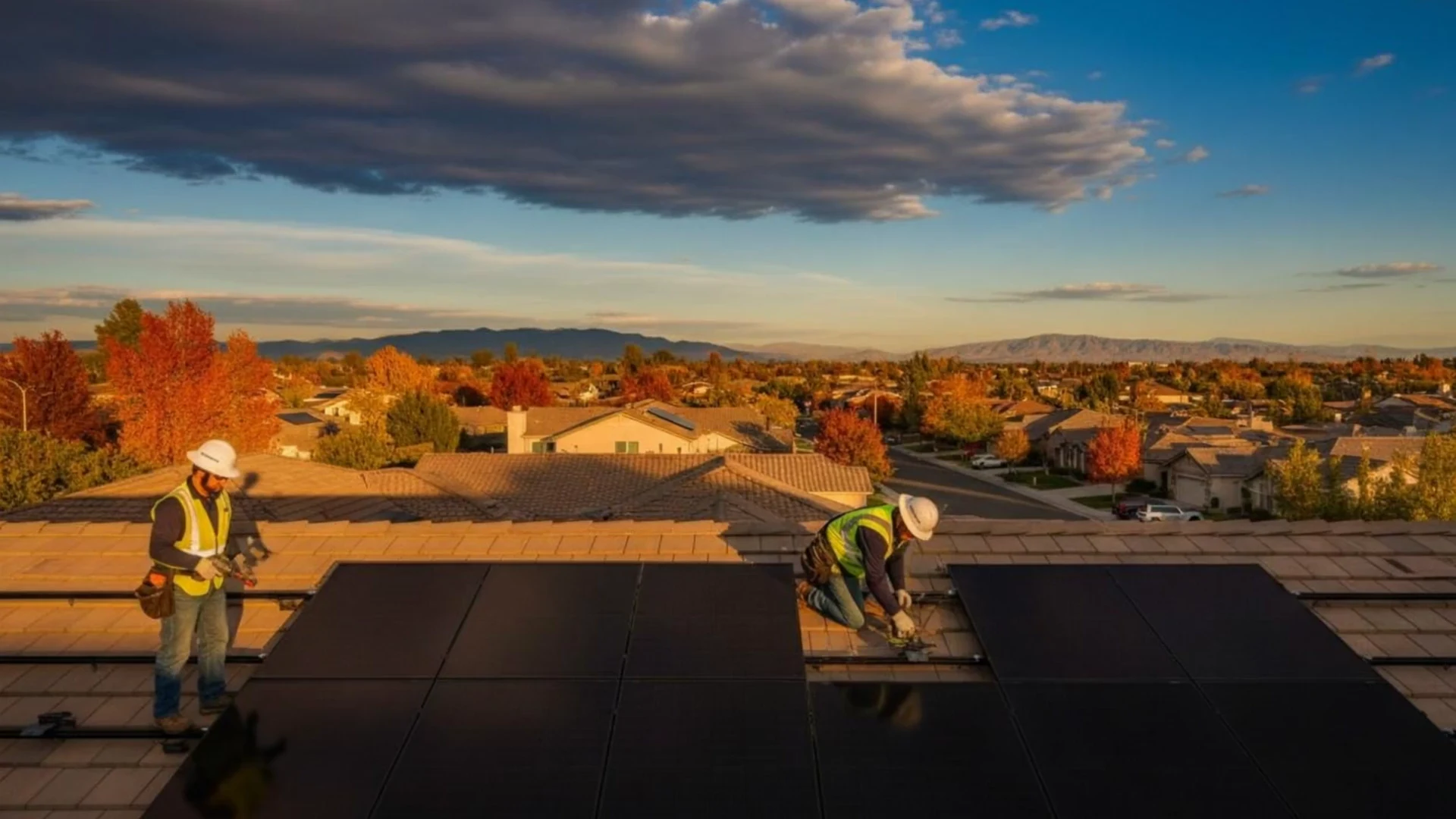
Solar Panel Removal & Reinstallation in Tampa, FL
America’s #1 Choice for Energy Independence
We handle removal, storage, and reinstallation — coordinating with your roofer so your project runs smoothly from start to finish.
By submitting or calling, you consent to receive calls and SMS from The Light Group USA at the number provided, including via auto-dialer or pre-recorded messages. Consent is not required for purchase. Msg/data rates may apply. Reply STOP to opt out. See our Privacy Policy.

Protect your roof and your solar investment
Let professionals handle your solar panel removal the right way.
By submitting or calling, you consent to receive calls and SMS from The Light Group USA at the number provided, including via auto-dialer or pre-recorded messages. Consent is not required for purchase. Msg/data rates may apply. Reply STOP to opt out. See our Privacy Policy.
Panel removal and reinstall in Tampa
Tampa is a city of about 414,547 people, and the housing stock changes completely depending on which part of it you are in. Bungalows near Bayshore Boulevard along Hillsborough Bay in 33611, older neighborhoods in 33604, and newer subdivisions out in 33647 have almost nothing in common as roofs. A solar removal is a different job in each one, even when the array itself looks the same.
What they share is the trigger. A roofing contractor sets a tear-off date, then explains his crew does not touch solar, and the homeowner learns the company that installed the array no longer answers. The array has to come down first, the roof gets rebuilt, and the system goes back with new penetrations, new flashing and an inspection that has to be booked with the right office.
Tampa Bay also sits in the part of the country that gets the most lightning, which makes grounding and bonding worth more than a passing glance during a reset. Every lug, bonding jumper and equipment ground gets re-established properly when the array goes back, and on the bay side salt has usually been working on that same hardware from inside the housings where nothing shows.
We keep a crew in Tampa, so this is local work on a scheduled calendar rather than a drive-in visit. That helps most on the coordination end: matching the roofer's sequence, staging removal and reinstallation around a tear-off date that moves, and getting back out for the reinspection. Tampa Electric serves the city and credits exported power at the retail rate, so the account side is unchanged.
On a Tampa removal we get these right
Common questions about solar service in Tampa
Yes. Tampa is one of the two cities where we keep our own crew, which mainly matters for scheduling. Removal and reinstallation are two visits separated by however long the roof takes, and roofing dates move. A local crew can absorb that movement instead of waiting for a route back into the area.
It raises the standard on grounding. Tampa Bay is in the highest-lightning part of the country, so every equipment ground, bonding jumper and lug is re-established and verified during reinstallation rather than reconnected by habit. Corroded grounding hardware gets replaced while the array is down, since it is both a safety item and inaccessible later.
The arrangement stays, the production does not. Tampa Electric credits exported power at the retail rate, and a system sitting in storage exports nothing, so those weeks bill like a house without solar. Once the array is reinstalled, reinspected and reconnected, crediting resumes on the same terms as before.
Sometimes, but it stops being a straight reset. Adding capacity changes the structural attachment plan, the string configuration and the interconnection record with the utility, so it becomes a design change with its own review. If it is being considered, the decision belongs before removal rather than halfway through the roof job.
It depends on whether the property is inside city limits or in unincorporated Hillsborough County. The two use different offices and different inspection scheduling, and the address decides. That is confirmed at the start of the project so the closing reinspection is a planned step rather than something discovered after the roof is finished.
Other solar work we do here
Panel Removal & Reinstallation near Tampa
Crews based in Orlando and Tampa, covering 217 cities statewide.
Tampa Bay
- Apollo Beach
- Auburndale
- Bartow
- Bayonet Point
- Bayshore Gardens
- Bloomingdale
- Bradenton
- Brandon
- Carrollwood
- Citrus Park
- Clearwater
- Davenport
- Dunedin
- East Lake
- East Lake-Orient Park
- Egypt Lake-Leto
- Elfers
- Englewood
- Fish Hawk
- Four Corners
- Fruitville
- Gibsonton
- Haines City
- Holiday
- Jasmine Estates
- Keystone
- Lake Magdalene
- Lake Wales
- Lakeland
- Lakewood Ranch
- Land O' Lakes
- Largo
- Lealman
- Lutz
- New Port Richey
- North Port
- Northdale
- Palm Harbor
- Palm River-Clair Mel
- Palmer Ranch
- Pinellas Park
- Plant City
- Poinciana
- Riverview
- Ruskin
- Safety Harbor
- Sarasota
- Seminole
- South Bradenton
- South Venice
- St. Petersburg
- Sun City Center
- Tampa
- Tarpon Springs
- Temple Terrace
- Thonotosassa
- Town 'n' Country
- Trinity
- University
- Valrico
- Venice
- Wesley Chapel
- Westchase
- Wimauma
- Winter Haven
- Zephyrhills
We also cover Florida Panhandle, North Florida, Northeast Florida, Central Florida, Space Coast, Southwest Florida, Treasure Coast, South Florida. See every Florida city we service.