Solar Panel Removal & Reinstallation in Daytona Beach, FL
America’s #1 Choice for Energy Independence
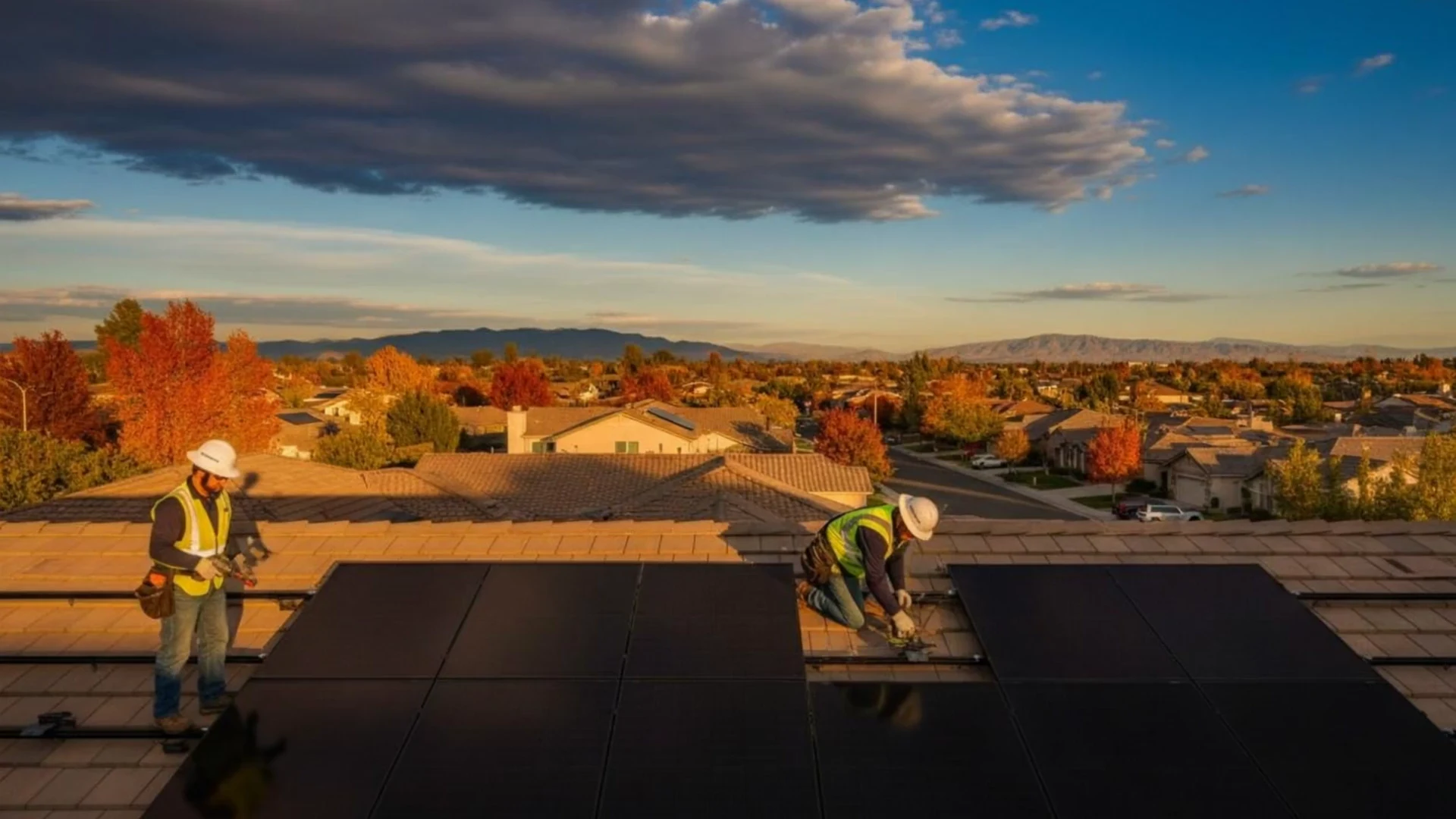
We handle removal, storage, and reinstallation — coordinating with your roofer so your project runs smoothly from start to finish.
By submitting or calling, you consent to receive calls and SMS from The Light Group USA at the number provided, including via auto-dialer or pre-recorded messages. Consent is not required for purchase. Msg/data rates may apply. Reply STOP to opt out. See our Privacy Policy.

Protect your roof and your solar investment
Let professionals handle your solar panel removal the right way.
By submitting or calling, you consent to receive calls and SMS from The Light Group USA at the number provided, including via auto-dialer or pre-recorded messages. Consent is not required for purchase. Msg/data rates may apply. Reply STOP to opt out. See our Privacy Policy.
Panel removal and reinstall in Daytona Beach
In Daytona Beach the call usually comes after the roofer has already been out. Beachside blocks near the Main Street Pier and mainland neighborhoods out toward the Speedway both run through roofs faster than an inland county would, and when the re-roof gets scheduled the array becomes the obstacle. The roofing crew will not detach it, the original installer may be long gone, and the homeowner is left holding two trades that do not talk to each other.
A few hundred meters from the Atlantic, the array is not just sitting in weather, it is sitting in salt spray. The parts that suffer are rarely the ones people worry about. Panels outlast their mounting hardware. Rail splices, ground lugs, lag washers and the inside of connector housings go first, corroding where the damage is invisible until the modules come off and the underside of the array is finally reachable.
Reinstallation is a construction job disguised as an electrical one. Fasteners have to find rafters, not decking. Flashing goes under the shingle course above it so water runs over the top edge instead of into the hole. Clamps get torqued to specification. Connectors get matched by manufacturer, since mating two different brands of MC4 is one of the classic origins of arcing and of a denied warranty claim years later.
Removal and reinstallation is scheduled work, never urgent work, and Daytona Beach is a straightforward run for a crew dispatched from Orlando. That means a real date and a real window, planned against the roofer's calendar rather than around it: array down before tear-off, stored while the new roof goes on, back up once the roof has been inspected and signed off.
On a Daytona Beach removal we get these right
Common questions about solar service in Daytona Beach
Electric service in this area is provided by FPL. The city bill covers water, sewer and stormwater, which confuses a lot of homeowners who assume the city sells them power too. It matters for solar because FPL credits exported energy at the retail rate, and your interconnection is tied to the system already recorded on that account.
Yes. Orphaned systems are a large share of this work. What the original installer usually leaves behind is missing documentation rather than a broken system: no as-built, no string map, no monitoring login. Those get rebuilt during removal, when the equipment is accessible, and handed over with the finished job so the next contractor is not starting blind.
The risk is real and it comes from handling, not from the removal itself. Modules crack when they are laid on their glass, stacked without separators, or lifted by one long edge. Those fractures are invisible and show up only as reduced output later, which is why handling rules and storage racks matter more than speed on removal day.
Generally no, if the system returns in the same size and configuration that FPL already has on file. What does have to happen is the local building inspection on the permitted work. If the reinstall changes the module count, the inverter or the system rating, that becomes a different conversation with the utility, and we flag it up front.
By fixing the sequence in writing before anyone starts. Removal happens before tear-off, the roofer owns every penetration and the dry-in while the deck is open, and reinstallation waits until the new roof has passed its inspection. Setting who is responsible for what, in what order, is what keeps a later leak from becoming an argument between two trades.
Other solar work we do here
Panel Removal & Reinstallation near Daytona Beach
Crews based in Orlando and Tampa, covering 217 cities statewide.
Central Florida
- Altamonte Springs
- Apopka
- Casselberry
- Clermont
- Daytona Beach
- DeBary
- DeLand
- Deltona
- Edgewater
- Eustis
- Groveland
- Holly Hill
- Kissimmee
- Lady Lake
- Lake Mary
- Leesburg
- Liberty Triangle
- Longwood
- Maitland
- Marion Oaks
- Minneola
- Mount Dora
- New Smyrna Beach
- Ocala
- Ocoee
- Orange City
- Orlando
- Ormond Beach
- Oviedo
- Port Orange
- Sanford
- Silver Springs Shores
- South Daytona
- St. Cloud
- Tavares
- The Villages
- Wildwood
- Winter Garden
- Winter Park
- Winter Springs
We also cover Florida Panhandle, North Florida, Northeast Florida, Space Coast, Tampa Bay, Southwest Florida, Treasure Coast, South Florida. See every Florida city we service.