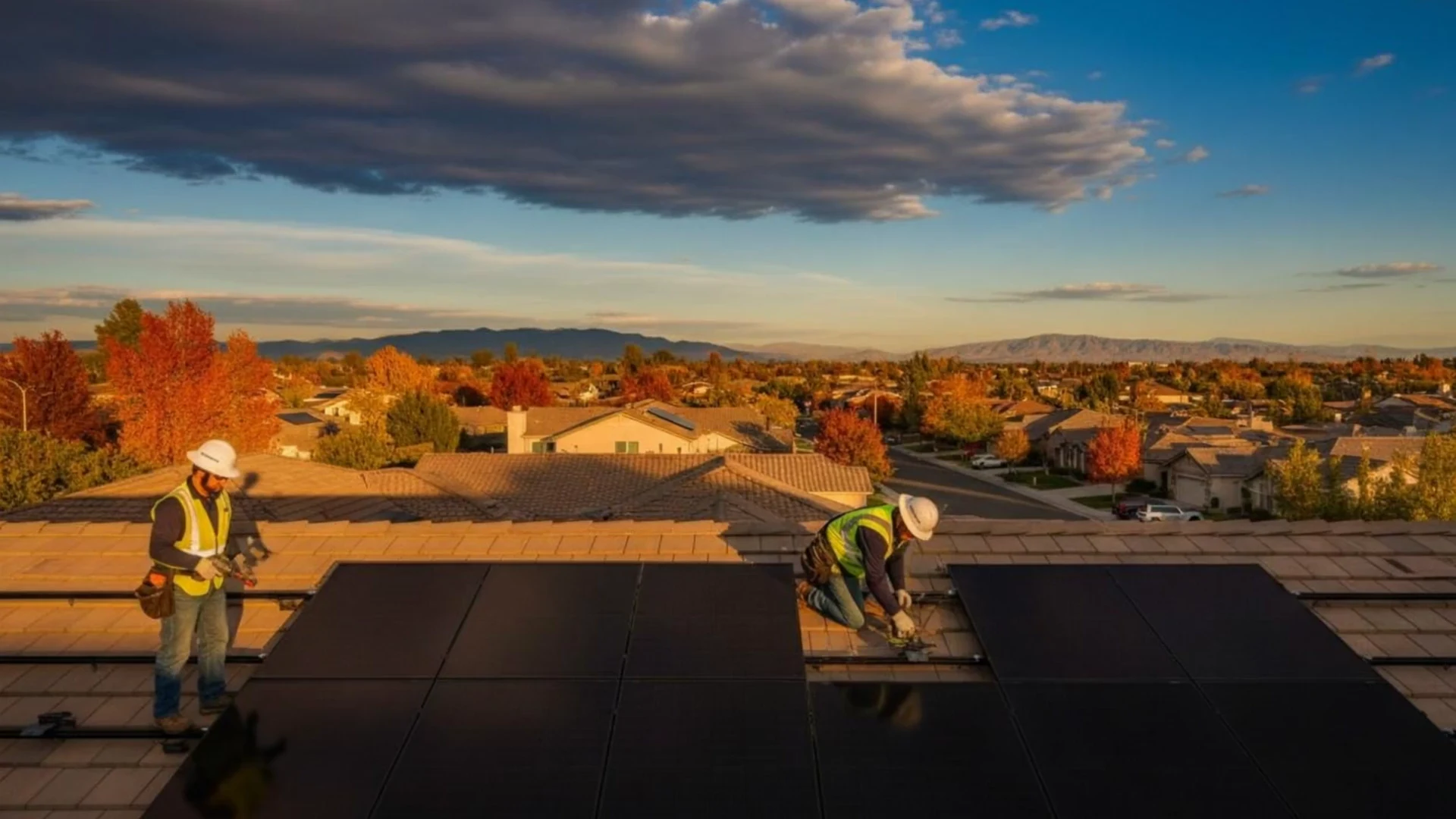
Solar Panel Removal & Reinstallation in Holly Hill, FL
America’s #1 Choice for Energy Independence
We handle removal, storage, and reinstallation — coordinating with your roofer so your project runs smoothly from start to finish.
By submitting or calling, you consent to receive calls and SMS from The Light Group USA at the number provided, including via auto-dialer or pre-recorded messages. Consent is not required for purchase. Msg/data rates may apply. Reply STOP to opt out. See our Privacy Policy.

Protect your roof and your solar investment
Let professionals handle your solar panel removal the right way.
By submitting or calling, you consent to receive calls and SMS from The Light Group USA at the number provided, including via auto-dialer or pre-recorded messages. Consent is not required for purchase. Msg/data rates may apply. Reply STOP to opt out. See our Privacy Policy.
Panel removal and reinstall in Holly Hill
Holly Hill is a compact city of older housing between Ridgewood Avenue and the Halifax River, and its solar arrays tend to be older too. That shapes the conversation. When the roof reaches replacement age, the question is not only how to get the panels off and back on, but whether every part of the system deserves to return. A removal is the one moment when that decision can be made with the equipment in front of you rather than guessed at from the driveway.
The Halifax River is tidal, and the salt it carries treats an array's metal parts the way ocean air does. Rails, clamps, grounding lugs and connector housings corrode from the inside of the assembly outward, which means the damage is well advanced before anything is visible from the yard. Arrays that have been on a Holly Hill roof for a decade frequently have hardware that should not be torqued back down onto a brand new surface.
Florida Power and Light serves the city and credits exported energy at the retail rate, one for one. The account side of a re-roof is straightforward as long as the system returns documented and inspected. What causes trouble later is a system that comes back with a different module count, a different inverter, or no record of either, leaving the permit, the meter and the interconnection paperwork describing three different arrays.
None of this is emergency work. The removal is booked against the roofer's tear-off date and the reinstallation waits until the new surface is finished, which is exactly the kind of project a crew traveling from Orlando can plan properly. What you should expect is a clear scope before anyone climbs: what comes down, where it is stored, what is replaced, what goes back, and who inspects it at the end.
On a Holly Hill removal we get these right
Common questions about solar service in Holly Hill
Yes, and it is a common situation. A closed installer means no warranty service from that company, but the equipment warranties from the module and inverter manufacturers usually still exist. The system can be documented from data plates, string tracing and the permit file at the building department, then removed and reinstalled by a licensed contractor under a new permit.
It is worth pricing. Inverters have a shorter service life than modules, and an aging unit on a new roof is a service call waiting to happen at the least convenient time. Labor is already committed while the array is apart, so the incremental cost is lower than a standalone replacement. Any equipment change is documented for the permit and the utility.
Florida Power and Light credits exported energy at the retail rate one for one regardless of system size, so the crediting method does not change. What changes is how much you export, and a smaller array exports less. A change in system capacity should be reflected in your interconnection documentation so the utility's records match the array on the roof.
Start with the building department that issued it, which for addresses inside the city is Holly Hill and otherwise Volusia County. Permit files frequently retain the plan set, the electrical diagram and the inspection record. Those documents make the reinstall permit simpler and give you the string layout, which is otherwise reconstructed by tracing conductors during removal.
Avoid leaving a roof open in the peak of hurricane season, which runs June first through November thirtieth. The array itself is not the constraint, the exposed deck is. Since removal and reinstallation are scheduled work rather than emergency repairs, most homeowners have room to plan the roofing window rather than react to it.
Other solar work we do here
Panel Removal & Reinstallation near Holly Hill
Crews based in Orlando and Tampa, covering 217 cities statewide.
Central Florida
- Altamonte Springs
- Apopka
- Casselberry
- Clermont
- Daytona Beach
- DeBary
- DeLand
- Deltona
- Edgewater
- Eustis
- Groveland
- Holly Hill
- Kissimmee
- Lady Lake
- Lake Mary
- Leesburg
- Liberty Triangle
- Longwood
- Maitland
- Marion Oaks
- Minneola
- Mount Dora
- New Smyrna Beach
- Ocala
- Ocoee
- Orange City
- Orlando
- Ormond Beach
- Oviedo
- Port Orange
- Sanford
- Silver Springs Shores
- South Daytona
- St. Cloud
- Tavares
- The Villages
- Wildwood
- Winter Garden
- Winter Park
- Winter Springs
We also cover Florida Panhandle, North Florida, Northeast Florida, Space Coast, Tampa Bay, Southwest Florida, Treasure Coast, South Florida. See every Florida city we service.