Solar Panel Removal & Reinstallation in Sanford, FL
America’s #1 Choice for Energy Independence
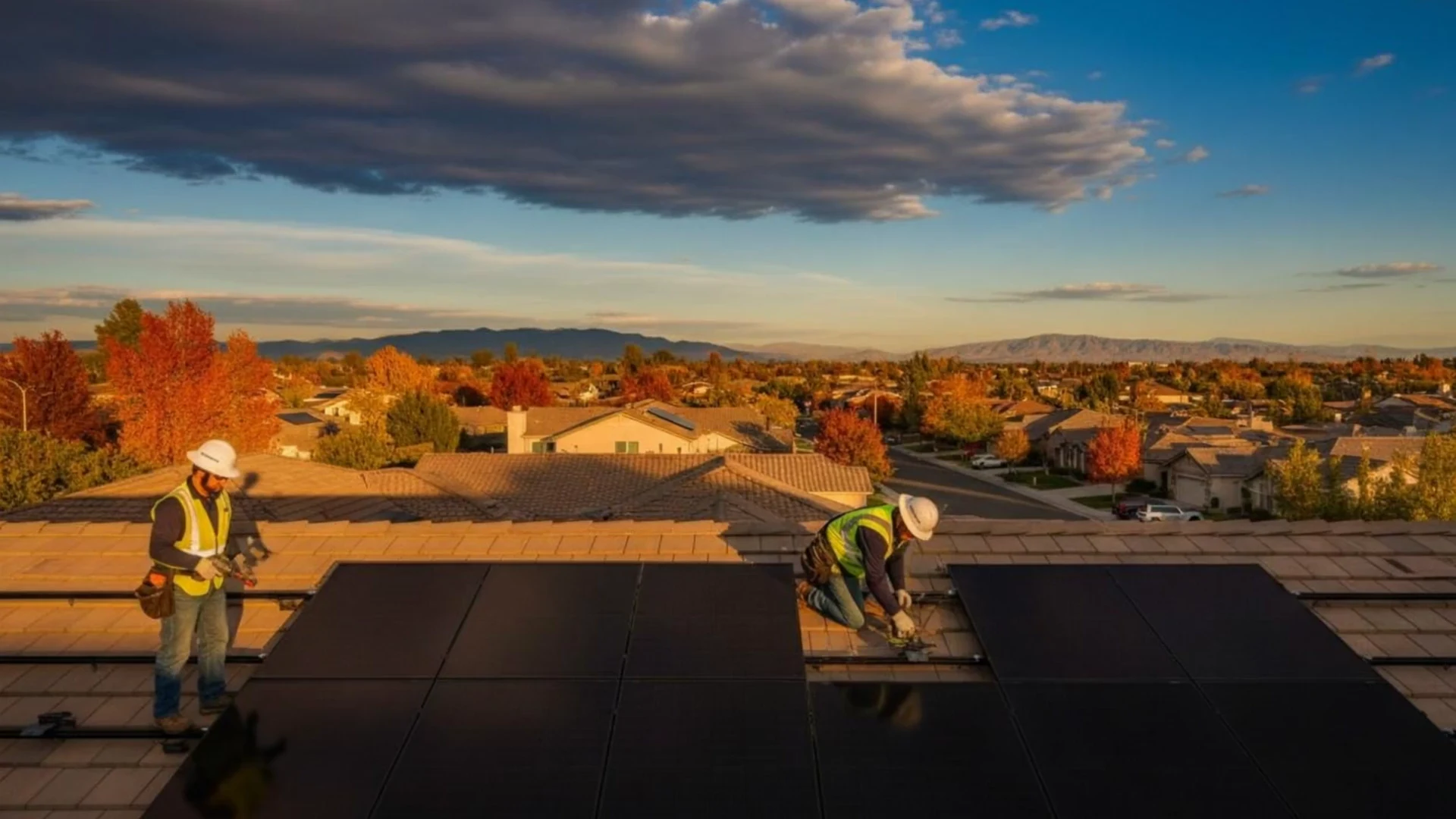
We handle removal, storage, and reinstallation — coordinating with your roofer so your project runs smoothly from start to finish.
By submitting or calling, you consent to receive calls and SMS from The Light Group USA at the number provided, including via auto-dialer or pre-recorded messages. Consent is not required for purchase. Msg/data rates may apply. Reply STOP to opt out. See our Privacy Policy.

Protect your roof and your solar investment
Let professionals handle your solar panel removal the right way.
By submitting or calling, you consent to receive calls and SMS from The Light Group USA at the number provided, including via auto-dialer or pre-recorded messages. Consent is not required for purchase. Msg/data rates may apply. Reply STOP to opt out. See our Privacy Policy.
Panel removal and reinstall in Sanford
Sanford roofs come due like everyone else's, and when they do the solar array becomes the thing nobody planned for. Around the historic downtown near the RiverWalk on Lake Monroe, that is complicated by the houses themselves: additions, dormers, changing pitches and framing that is not always where a modern layout assumes it is. Removal and reinstallation on those roofs is a measured job, not a quick detach and refit.
Sanford is also split between two utilities. Duke Energy Florida and FPL both serve addresses here, and which one you have depends on where the house sits, not on which you would prefer. Both are investor-owned and both credit exported energy at the retail rate, so the economics are similar, but the account, the interconnection record and the point of contact are not. We read it off the meter and the bill instead of guessing.
This is well inland, so the enemy is heat rather than salt. Sun degrades the small parts first: zip ties give up, wire management sags, conductors chafe against shingles with every thermal cycle. Central Florida also sees more lightning than anywhere else in the country, which makes grounding and bonding continuity worth verifying while the array is apart and every connection is actually reachable.
The reinstall is where the new roof either stays dry or does not. Mounts land in rafters, flashing tucks under the course above, clamps are torqued to specification, and any replaced connector matches its existing family. It is scheduled work with a real window, and Sanford is a short run for a crew dispatched from Orlando, so the array comes down when the roofer is ready and goes back once the roof has passed inspection.
On a Sanford removal we get these right
Common questions about solar service in Sanford
The meter and your bill answer it, and we read both rather than assume. Sanford sits in genuinely split territory: the city's own hurricane page directs residents to their individual provider and lists both companies. It matters for the reinstall because the interconnection record and the reconnection contact live with whichever utility actually serves the property.
Both are investor-owned utilities and both credit exported energy at the retail rate, so on that point the economics are comparable. What differs is the paperwork trail: your account, your interconnection agreement and your point of contact belong to one company or the other. A like-for-like reinstall is generally a reinstatement of the system already on file.
It can, and it gets checked before the schedule is set. Some addresses near downtown fall under overlays with additional review, which affects timing rather than feasibility. The practical impact is usually on the permit path, so confirming it early keeps a review from surfacing after the roof is finished and the array is waiting in storage.
Yes, and this is the only convenient time to do it. Grounding lugs, bonding jumpers and rail continuity are buried under the modules for the entire life of the system. In a region with this much lightning activity, verifying that the bonding path is intact while everything is accessible is worth far more than what it adds to the job.
No. The array is de-energized at the inverter and the disconnect before removal and stays offline until it is reinstalled, inspected and commissioned. You draw normally from the grid during that period, so nothing goes dark in the house, but the system produces nothing and exports nothing while the modules are in storage.
Other solar work we do here
Panel Removal & Reinstallation near Sanford
Crews based in Orlando and Tampa, covering 217 cities statewide.
Central Florida
- Altamonte Springs
- Apopka
- Casselberry
- Clermont
- Daytona Beach
- DeBary
- DeLand
- Deltona
- Edgewater
- Eustis
- Groveland
- Holly Hill
- Kissimmee
- Lady Lake
- Lake Mary
- Leesburg
- Liberty Triangle
- Longwood
- Maitland
- Marion Oaks
- Minneola
- Mount Dora
- New Smyrna Beach
- Ocala
- Ocoee
- Orange City
- Orlando
- Ormond Beach
- Oviedo
- Port Orange
- Sanford
- Silver Springs Shores
- South Daytona
- St. Cloud
- Tavares
- The Villages
- Wildwood
- Winter Garden
- Winter Park
- Winter Springs
We also cover Florida Panhandle, North Florida, Northeast Florida, Space Coast, Tampa Bay, Southwest Florida, Treasure Coast, South Florida. See every Florida city we service.