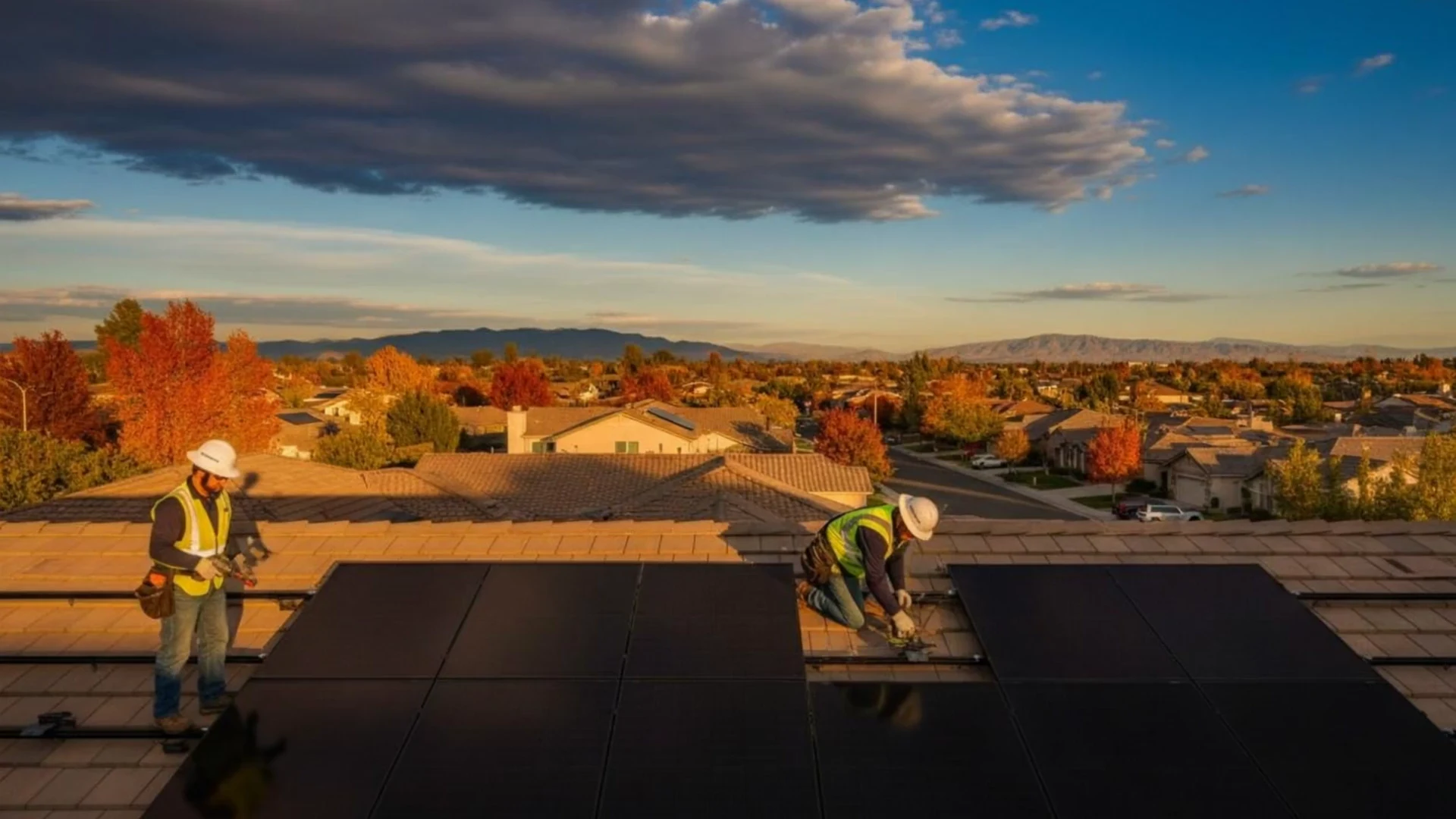
Solar Panel Removal & Reinstallation in St. Cloud, FL
America’s #1 Choice for Energy Independence
We handle removal, storage, and reinstallation — coordinating with your roofer so your project runs smoothly from start to finish.
By submitting or calling, you consent to receive calls and SMS from The Light Group USA at the number provided, including via auto-dialer or pre-recorded messages. Consent is not required for purchase. Msg/data rates may apply. Reply STOP to opt out. See our Privacy Policy.

Protect your roof and your solar investment
Let professionals handle your solar panel removal the right way.
By submitting or calling, you consent to receive calls and SMS from The Light Group USA at the number provided, including via auto-dialer or pre-recorded messages. Consent is not required for purchase. Msg/data rates may apply. Reply STOP to opt out. See our Privacy Policy.
Panel removal and reinstall in St. Cloud
St. Cloud sits on the south shore of East Lake Tohopekaliga, with Lakefront Park on Lakeshore Boulevard as its front door. Around 71,036 residents live across 34769, 34772, 34771 and 34744, in a mix of older neighborhoods near the lake and newer subdivisions pushing out toward the county line. It is a city growing quickly, and a lot of its earlier solar is now sitting on roofs due for replacement.
The electric arrangement here is unusual and worth stating precisely. Orlando Utilities Commission operates the St. Cloud electric system under an interlocal agreement dating to May 1997, reported as extended to 2042. The city still owns the system and remains a member of the Florida Municipal Power Agency. OUC did not buy it. Residents receive two bills: electricity from OUC, and the rest of city services from St. Cloud.
That distinction matters for a removal project because a municipal system sets its own interconnection and credit rules rather than following the retail one-to-one arrangement the investor-owned utilities use, and OUC publishes a St. Cloud residential rate separate from its Orlando one. Anything that touches the utility side of a reinstallation is confirmed against the St. Cloud terms rather than assumed to match the Orlando ones.
The trigger is still the roof. A contractor gives a tear-off date, mentions his crew will not touch the array, and the original installer turns out to be gone. St. Cloud is an incorporated city, so the permit and the reinspection go through its building department. This is scheduled work rather than urgent work, which makes it a straightforward fit for a booked window covered from Orlando.
On a St. Cloud removal we get these right
Common questions about solar service in St. Cloud
Orlando Utilities Commission operates the St. Cloud electric system under an interlocal agreement from May 1997, reported as extended to 2042. The city still owns the system and is a member of the Florida Municipal Power Agency. It is not Kissimmee Utility Authority, despite claims elsewhere online, and OUC did not purchase the system.
Because two organizations are involved. OUC bills the electricity as the operator of the system, and the City of St. Cloud bills the remaining municipal services separately. For a solar removal project that means the utility side of the work goes through OUC while the building permit and the reinspection go through the city.
Not necessarily. OUC publishes a residential rate for St. Cloud that is distinct from its Orlando rate, and municipal utilities set their own interconnection and export credit rules rather than following the retail one-to-one crediting used by FPL, Duke and Tampa Electric. Confirm the current St. Cloud terms rather than assuming they mirror Orlando.
Generally yes. Removal and reinstallation in Florida usually require a permit that closes with an electrical reinspection, and in St. Cloud that runs through the city building department. Plan the inspection window into the roofing schedule, because a completed roof with an unclosed permit is a job that is not actually finished.
The panels stay in storage and the system keeps producing nothing, which is why storage conditions matter as much as the schedule. Modules stored indoors, upright and separated are unaffected by the wait. What is affected is generation, so the reinstallation should be booked to follow the roof closely rather than starting from scratch afterward.
Other solar work we do here
Panel Removal & Reinstallation near St. Cloud
Crews based in Orlando and Tampa, covering 217 cities statewide.
Central Florida
- Altamonte Springs
- Apopka
- Casselberry
- Clermont
- Daytona Beach
- DeBary
- DeLand
- Deltona
- Edgewater
- Eustis
- Groveland
- Holly Hill
- Kissimmee
- Lady Lake
- Lake Mary
- Leesburg
- Liberty Triangle
- Longwood
- Maitland
- Marion Oaks
- Minneola
- Mount Dora
- New Smyrna Beach
- Ocala
- Ocoee
- Orange City
- Orlando
- Ormond Beach
- Oviedo
- Port Orange
- Sanford
- Silver Springs Shores
- South Daytona
- St. Cloud
- Tavares
- The Villages
- Wildwood
- Winter Garden
- Winter Park
- Winter Springs
We also cover Florida Panhandle, North Florida, Northeast Florida, Space Coast, Tampa Bay, Southwest Florida, Treasure Coast, South Florida. See every Florida city we service.