Solar Panel Installation in DeLand, FL
America’s #1 Choice for Energy Independence
Custom-designed systems that lower your bills, increase your home value, and give you full energy control.
By submitting or calling, you consent to receive calls and SMS from The Light Group USA at the number provided, including via auto-dialer or pre-recorded messages. Consent is not required for purchase. Msg/data rates may apply. Reply STOP to opt out. See our Privacy Policy.

Start saving on your energy bills today
Get a custom solar plan designed for your home.
By submitting or calling, you consent to receive calls and SMS from The Light Group USA at the number provided, including via auto-dialer or pre-recorded messages. Consent is not required for purchase. Msg/data rates may apply. Reply STOP to opt out. See our Privacy Policy.
Going solar in DeLand
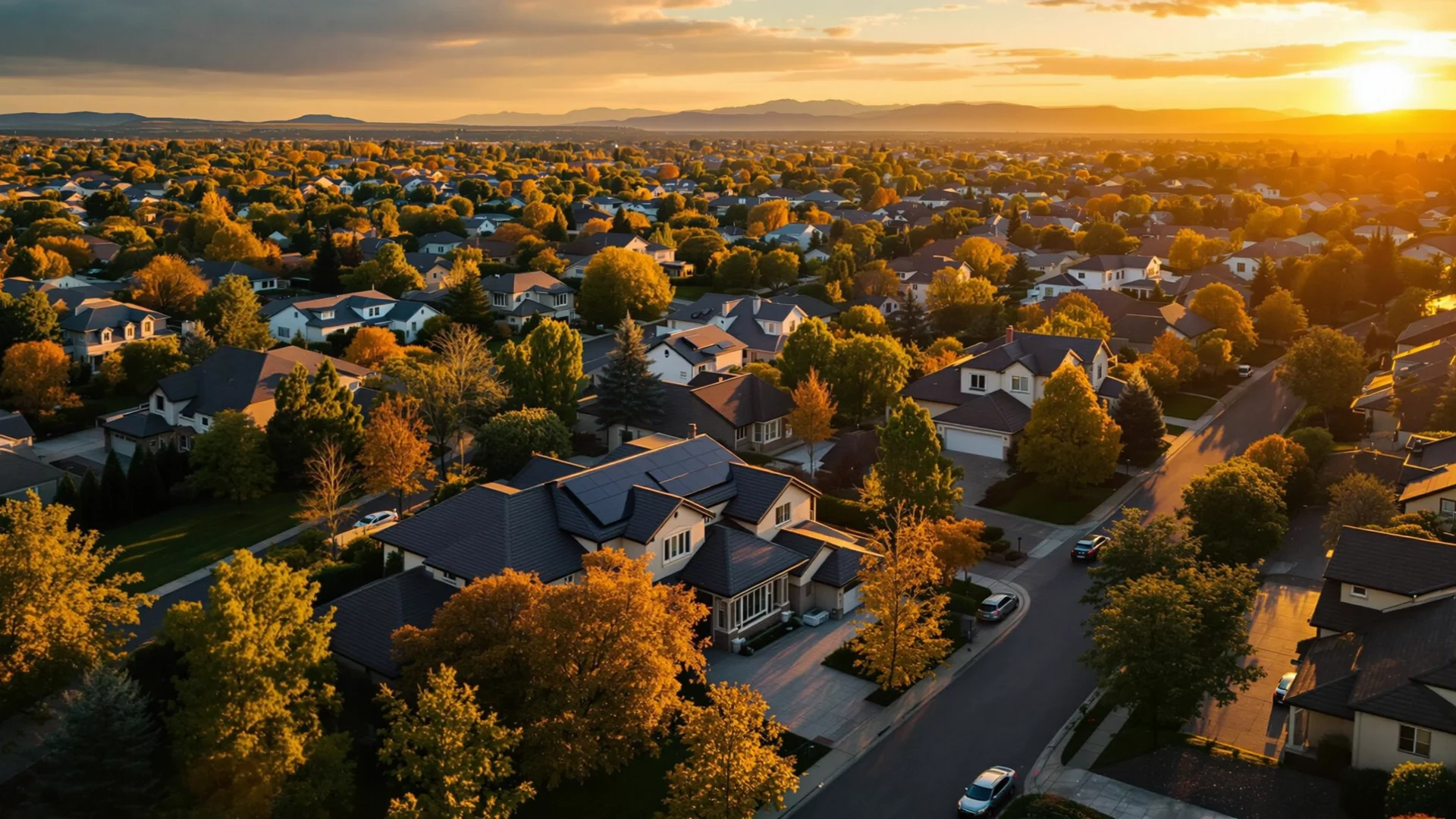
DeLand sits well inland in Volusia County, and the constraint here is not salt, it is shade. The neighborhoods around Stetson University and the blocks off North Woodland Boulevard carry decades of tree canopy, which is a large part of what makes the area pleasant to live in and a genuine complication for a rooftop array. Any credible design begins with a shade study across the seasons rather than a satellite snapshot taken on one clear afternoon.
Shade is also a moving target. A laurel oak that clears the ridge today will not clear it in ten years, and a system modeled only on current conditions overstates what the homeowner will actually receive in year twelve. The useful question is what the roof will see over the life of the equipment, which sometimes means trimming, sometimes means shifting the array, and occasionally means the roof is the wrong host.
On the utility side, DeLand is straightforward. The city states plainly that its street lights are serviced by Duke Energy, and Duke is an investor-owned utility that credits exported energy at the retail rate, one for one. Clay Electric Cooperative serves rural northwest Volusia, but that has not been verified inside DeLand's limits, so we confirm the provider from your meter and bill rather than assuming it from a map.
Inland heat and pollen finish the picture. High module temperatures reduce output through the summer, and a film of dust and pollen shaves production without producing a single error code. Older housing near downtown also raises the roof question early: covering age and deck condition come before layout. DeLand falls inside the working radius of our Orlando crew, so site visits and inspection days are scheduled from there.
What we settle before a DeLand install
Common questions about solar service in DeLand
Duke Energy Florida. The city states directly that street lights in DeLand are serviced by Duke, and Duke credits exported solar at the retail rate, one for one, like the other investor-owned utilities in the state. Clay Electric Cooperative serves rural northwest Volusia, but not verified within DeLand's limits, so we confirm at the meter.
Not always, and it depends on which roof planes are affected. The shade study shows which sections lose meaningful production hours and which lose very little. Selective trimming often resolves it. When a large canopy sits directly over the only viable plane, we say so before the design goes any further.
Less than the total area, always. Code-required setbacks along ridges and eaves, firefighter access pathways, plumbing vents, skylights and chimneys all subtract from what is available. The usable figure gets measured during the site assessment, and it is what the production estimate is built on rather than the roof footprint.
Yes. Photovoltaic modules lose efficiency as their temperature rises, and inland Florida summers keep rooftop temperatures high for months. That derate is normal and gets accounted for in the production model. Mounting height, airflow beneath the modules and inverter placement out of direct afternoon sun all help manage it.
It does, gradually and silently. A film of pollen and road dust reduces the light reaching the cells, and because nothing has failed, no fault code appears. Output simply comes in lower than modeled. Periodic rinsing and an annual visual inspection keep the loss small and make real problems easier to spot.
Solar Installation near DeLand
Crews based in Orlando and Tampa, covering 112 cities statewide.
Central Florida
- Altamonte Springs
- Apopka
- Casselberry
- Clermont
- Daytona Beach
- DeBary
- DeLand
- Deltona
- Edgewater
- Eustis
- Groveland
- Holly Hill
- Kissimmee
- Lady Lake
- Lake Mary
- Leesburg
- Liberty Triangle
- Longwood
- Maitland
- Marion Oaks
- Minneola
- Mount Dora
- New Smyrna Beach
- Ocala
- Ocoee
- Orange City
- Orlando
- Ormond Beach
- Oviedo
- Port Orange
- Sanford
- Silver Springs Shores
- South Daytona
- St. Cloud
- Tavares
- The Villages
- Wildwood
- Winter Garden
- Winter Park
- Winter Springs
We also cover Space Coast, Tampa Bay. See every Florida city we service.