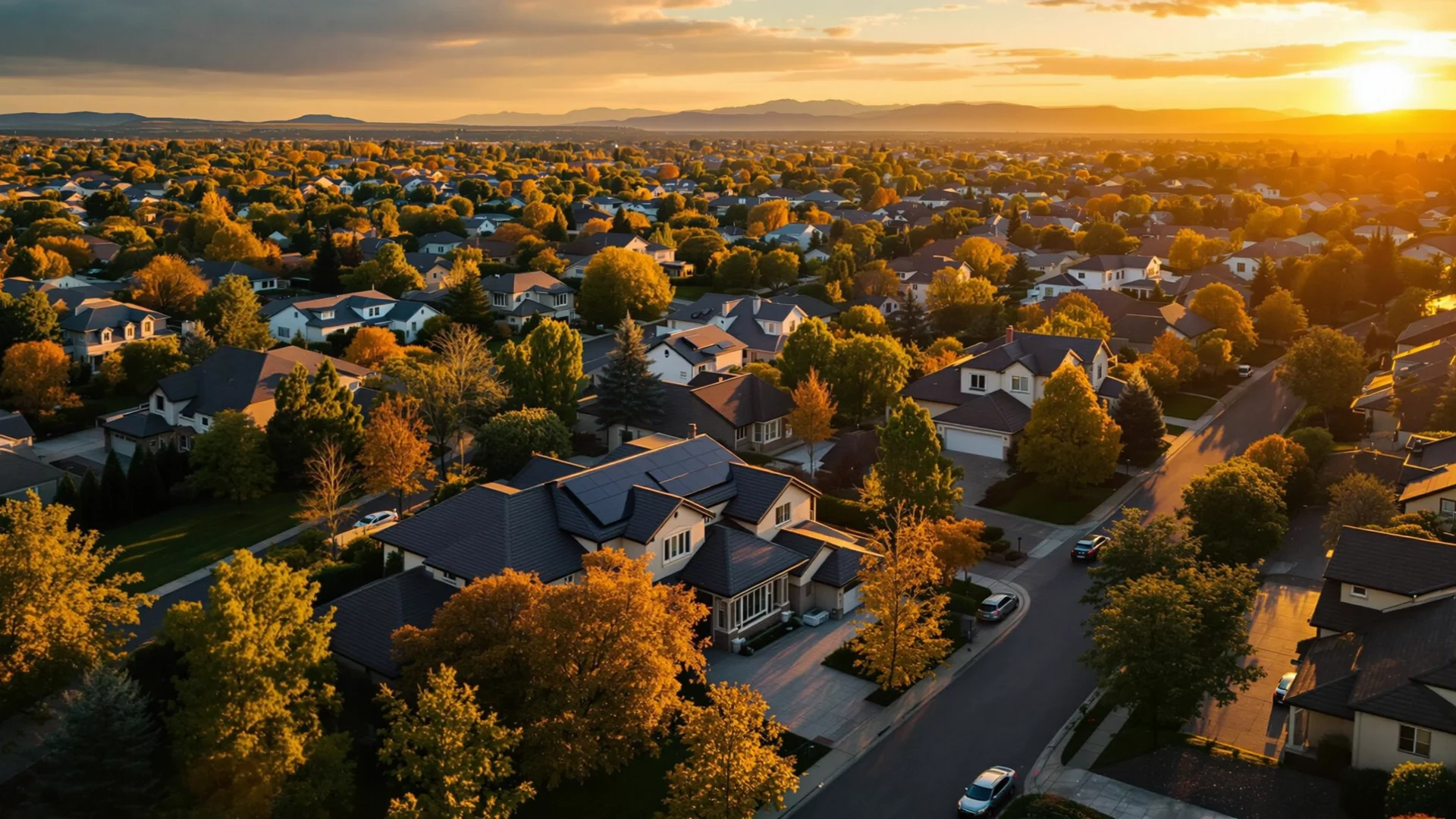
Solar Panel Installation in Apopka, FL
America’s #1 Choice for Energy Independence
Custom-designed systems that lower your bills, increase your home value, and give you full energy control.
By submitting or calling, you consent to receive calls and SMS from The Light Group USA at the number provided, including via auto-dialer or pre-recorded messages. Consent is not required for purchase. Msg/data rates may apply. Reply STOP to opt out. See our Privacy Policy.

Start saving on your energy bills today
Get a custom solar plan designed for your home.
By submitting or calling, you consent to receive calls and SMS from The Light Group USA at the number provided, including via auto-dialer or pre-recorded messages. Consent is not required for purchase. Msg/data rates may apply. Reply STOP to opt out. See our Privacy Policy.
Going solar in Apopka
Duke Energy Florida serves Apopka under a franchise agreement with the city, and Duke credits the power your roof exports back to the grid at the retail rate, one kilowatt-hour for one. That single fact drives most of the arithmetic on a quote here. System size, whether storage earns its place, and how fast the bill actually changes are all calculated against Duke's residential tariff for your specific address, not a national average.
Apopka has two housing stories running side by side. Along the SR 429 corridor and the Wekiva Parkway edge, subdivisions are young and their roofs have decades of service left, which is the cleanest possible starting point for a twenty-five year asset. Closer to the older streets north of downtown, plenty of shingle roofs are into their second or third decade. Panels over a roof with five years left means paying for the same labor twice.
This is inland Florida, roughly forty miles from any coast, so salt is not the issue here. Heat is. Module output drops as cell temperature climbs, and a July afternoon in Orange County pushes that hard, which is why racking height and airflow under the array belong in the design rather than in a footnote. Nursery country pollen and summer dust also cut production quietly, with no error code anywhere.
Permitting runs through the City of Apopka for addresses inside the limits and through Orange County for the pockets that are not, and the attachment schedule has to satisfy Florida's wind provisions either way. Central Florida also sees more lightning than anywhere else in the country, so grounding and surge protection get specified rather than assumed. Our crews work out of Orlando; we do not keep an office in Apopka.
What we settle before a Apopka install
Common questions about solar service in Apopka
Duke Energy Florida serves Apopka under a franchise agreement with the city. Duke is an investor-owned utility, and it credits exported solar at the retail rate, one kilowatt-hour for one. Florida is a regulated market, so the provider comes with the address and cannot be shopped. Your rate schedule is printed on the bill.
If the roof has fewer than roughly five to seven years of service left, yes. Removing and reinstalling an array to reroof later costs real money and adds a second set of penetrations. We look at documented age, shingle condition, and decking first, and we will say plainly if the roof should come first.
Not until Duke issues permission to operate. The sequence is permit, installation, local inspection, then utility approval. The panels are physically on the roof well before that last step, and energizing without it is not allowed. Timelines move with permit and utility queues, so we give the current expectation rather than a promise.
Florida law sharply limits what a homeowners association can prohibit on residential solar, but an association can still have a say about placement that is visible. We review the governing documents, submit whatever the association requires, and keep the approval in writing before the array goes up. That paperwork is part of the job.
From twelve months of your actual usage, pulled off your Duke bills, not from how much roof happens to be available. Twelve months captures the August air conditioning peak and the mild winter floor. A system sized to the roof instead of the consumption tends to overshoot, and surplus is credited, not paid at a premium.
Solar Installation near Apopka
Crews based in Orlando and Tampa, covering 112 cities statewide.
Central Florida
- Altamonte Springs
- Apopka
- Casselberry
- Clermont
- Daytona Beach
- DeBary
- DeLand
- Deltona
- Edgewater
- Eustis
- Groveland
- Holly Hill
- Kissimmee
- Lady Lake
- Lake Mary
- Leesburg
- Liberty Triangle
- Longwood
- Maitland
- Marion Oaks
- Minneola
- Mount Dora
- New Smyrna Beach
- Ocala
- Ocoee
- Orange City
- Orlando
- Ormond Beach
- Oviedo
- Port Orange
- Sanford
- Silver Springs Shores
- South Daytona
- St. Cloud
- Tavares
- The Villages
- Wildwood
- Winter Garden
- Winter Park
- Winter Springs
We also cover Space Coast, Tampa Bay. See every Florida city we service.