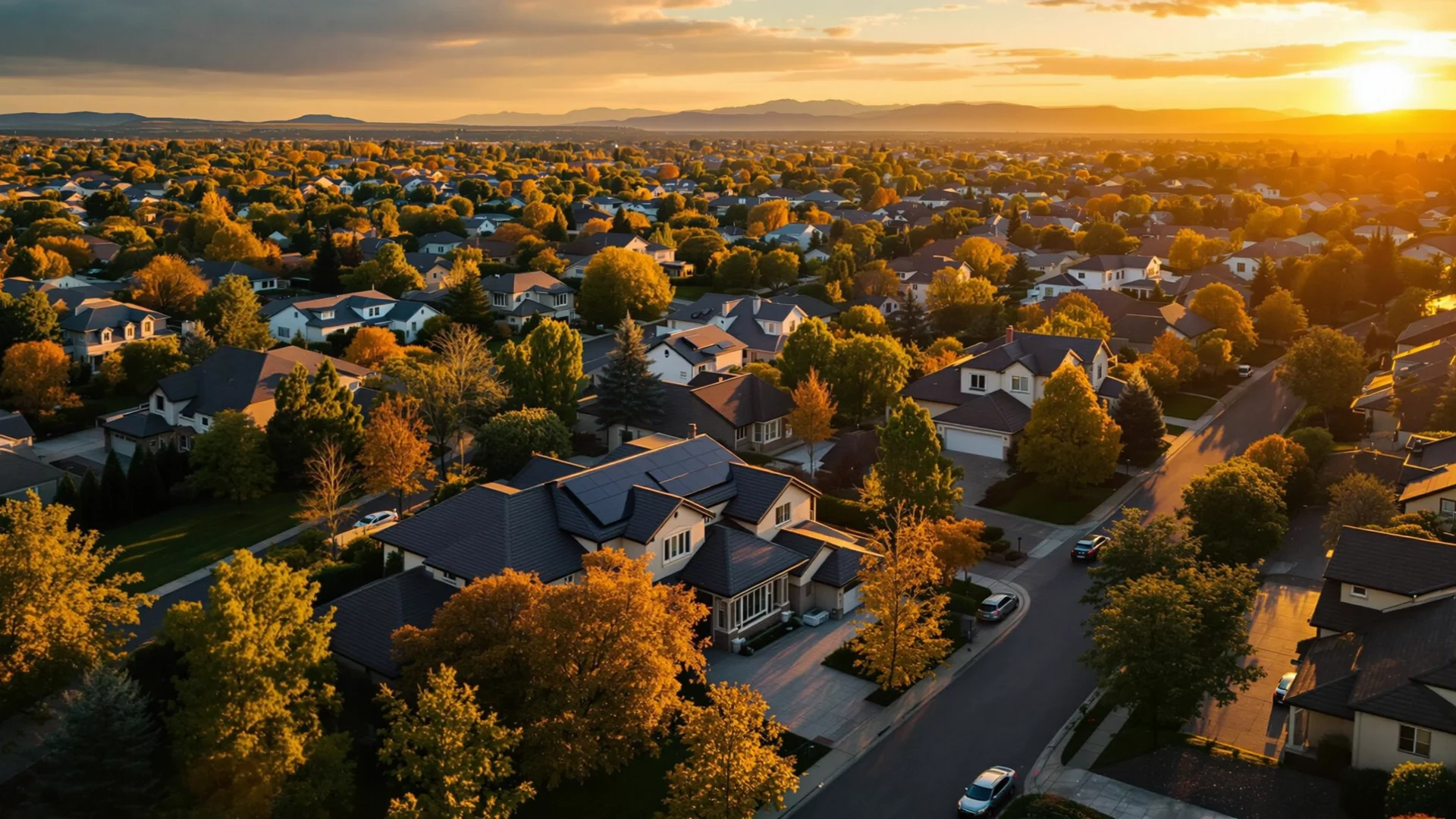
Solar Panel Installation in South Daytona, FL
America’s #1 Choice for Energy Independence
Custom-designed systems that lower your bills, increase your home value, and give you full energy control.
By submitting or calling, you consent to receive calls and SMS from The Light Group USA at the number provided, including via auto-dialer or pre-recorded messages. Consent is not required for purchase. Msg/data rates may apply. Reply STOP to opt out. See our Privacy Policy.

Start saving on your energy bills today
Get a custom solar plan designed for your home.
By submitting or calling, you consent to receive calls and SMS from The Light Group USA at the number provided, including via auto-dialer or pre-recorded messages. Consent is not required for purchase. Msg/data rates may apply. Reply STOP to opt out. See our Privacy Policy.
Going solar in South Daytona
Few Florida cities can point to a ballot to prove who owns the wires. South Daytona can. Between 2008 and 2011 the city moved to buy FPL's local distribution system under a purchase option in its 1978 franchise agreement, and voters rejected the acquisition in November 2011. Florida Power & Light stayed. The city still runs water, sewer, trash and stormwater, but the electric meter is FPL's.
That matters more than it sounds. FPL is an investor-owned utility, so exported solar is credited at the retail rate, one kilowatt-hour against one, on your own rate schedule. Cooperatives and municipal utilities elsewhere in Florida write their own export rules, and the same array can pencil out very differently a few counties away. Here the assumption behind the savings math is straightforward and easy to verify.
Geography is the other half of the design. South Daytona fronts the Halifax River, part of the Intracoastal Waterway and fully tidal, with the Atlantic about two and a half kilometers east across the barrier peninsula. Roughly a quarter of the city's area is water. Whether a house sits inland near Reed Canal Park on Nova Road or backs onto the river, salt works on rails, fasteners, grounding lugs and connectors long before it touches glass.
So the specification changes. Coated rails, marine-appropriate fasteners and grounding hardware, sealed connector runs, and an inverter placed out of the salt spray rather than wherever the conduit is shortest. Volusia's coastal exposure also raises the uplift the attachment has to resist. Hurricane season runs June 1 to November 30, which shapes scheduling, and crews reach South Daytona from Orlando.
What we settle before a South Daytona install
Common questions about solar service in South Daytona
No. The city bills for water, sewer, solid waste and stormwater and has a utility billing department, which is where the confusion starts. Electricity has always come from Florida Power & Light. The city attempted to buy FPL's local distribution system, and voters turned the purchase down in a November 2011 referendum.
At the retail rate, kilowatt-hour for kilowatt-hour, against what you draw from the grid on the same rate schedule. That one-to-one treatment is what makes the savings math on an FPL address predictable. Municipal and cooperative utilities in other parts of Florida set their own credit terms, so numbers from another county may not transfer.
Yes, mostly the parts nobody photographs. Rails, clamps, fasteners, grounding lugs and MC4 connectors are the first things salt reaches, and the corrosion happens inside the housings. Panels and inverters carry their own environmental ratings, but the mounting and bonding hardware is where a coastal specification is either present or missing.
After the local inspection passes, FPL reviews the interconnection application and issues permission to operate. The array cannot be energized before that. Timelines move with the utility's queue, so the honest answer at signing is a range, with three clear milestones: inspection, utility review, then authorization to switch on.
Not necessarily. Florida's wind provisions govern the attachment year-round and the engineering does not change with the calendar. What changes is scheduling risk between June 1 and November 30, when weather can delay inspections and utility work. If the roof needs replacing first, starting outside that window is simply easier to plan.
Other solar work we do here
Solar Installation near South Daytona
Crews based in Orlando and Tampa, covering 112 cities statewide.
Central Florida
- Altamonte Springs
- Apopka
- Casselberry
- Clermont
- Daytona Beach
- DeBary
- DeLand
- Deltona
- Edgewater
- Eustis
- Groveland
- Holly Hill
- Kissimmee
- Lady Lake
- Lake Mary
- Leesburg
- Liberty Triangle
- Longwood
- Maitland
- Marion Oaks
- Minneola
- Mount Dora
- New Smyrna Beach
- Ocala
- Ocoee
- Orange City
- Orlando
- Ormond Beach
- Oviedo
- Port Orange
- Sanford
- Silver Springs Shores
- South Daytona
- St. Cloud
- Tavares
- The Villages
- Wildwood
- Winter Garden
- Winter Park
- Winter Springs
We also cover Space Coast, Tampa Bay. See every Florida city we service.