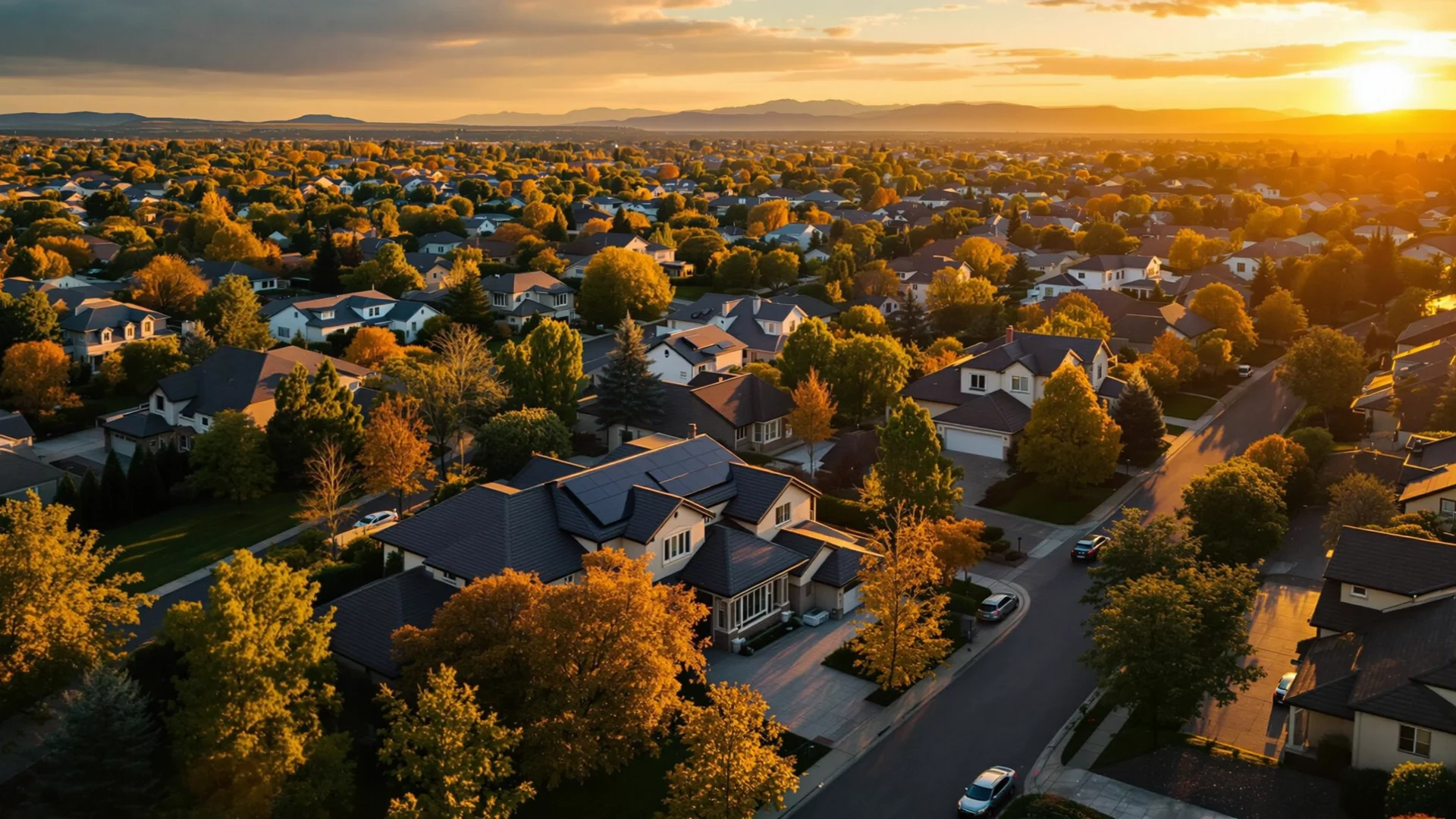
Solar Panel Installation in Orange City, FL
America’s #1 Choice for Energy Independence
Custom-designed systems that lower your bills, increase your home value, and give you full energy control.
By submitting or calling, you consent to receive calls and SMS from The Light Group USA at the number provided, including via auto-dialer or pre-recorded messages. Consent is not required for purchase. Msg/data rates may apply. Reply STOP to opt out. See our Privacy Policy.

Start saving on your energy bills today
Get a custom solar plan designed for your home.
By submitting or calling, you consent to receive calls and SMS from The Light Group USA at the number provided, including via auto-dialer or pre-recorded messages. Consent is not required for purchase. Msg/data rates may apply. Reply STOP to opt out. See our Privacy Policy.
Going solar in Orange City
Orange City sits inland in Volusia County, closer to the springs at Blue Spring State Park than to any coastline, and the practical effect on a solar project is that salt never enters the conversation. What replaces it is a sizing question. The most common mistake here is designing to fill a roof instead of designing to cover a measured bill, and the two produce very different projects and very different capital outlays.
The right starting point is twelve months of billing history. A full year captures the summer cooling peak and the quiet winter months, and the gap between them is what a properly sized array is built to serve. Duke Energy Florida serves Orange City, confirmed in the city's own Development Services documentation naming Duke for right-of-way review, and Duke credits exported energy at the retail rate you pay, one for one.
That one-for-one credit is fair, and it still does not make oversizing free. Every additional panel is capital spent today against a return spread across decades, so a system built beyond the household's actual consumption ties up money without proportional benefit. The design conversation should therefore start from the bill and work outward, arriving at roof area as a constraint to check rather than a target to fill.
Everything else follows the standard Florida sequence. Roof age is assessed before layout, because reinstalling an array after a re-roof is repeat labor. Permits go through the City of Orange City or Volusia County depending on the parcel. Florida's wind code drives the attachment plan, hurricane season runs June 1 through November 30, and inland heat and pollen shave output quietly. Orange City is within our Orlando crew's working radius.
What we settle before a Orange City install
Common questions about solar service in Orange City
That comes from twelve months of your Duke bills, not from roof size. A full year shows the summer cooling peak alongside the low months, and the design targets that measured consumption. Roof area, shading and code setbacks then act as constraints that may reduce the design, never as the thing being filled.
Duke Energy Florida credits exported energy at the retail rate you pay, one for one, as the investor-owned utilities in the state do. Orange City is served by Duke, which the city's own Development Services documentation confirms by naming Duke for right-of-way review. We verify it from your meter and bill regardless.
No. Beyond your measured consumption, each extra panel still costs full price while returning less benefit to the household. The credit for exports is fair, but it is not a reason to build past what you use. We present tiers with the offset each one produces so the comparison is on the table.
Often yes, because the question is what fraction of your bill a modest array can cover, not whether it can cover all of it. We measure the genuinely usable area after setbacks, access pathways and obstructions, then show the offset that space produces against your actual usage before you commit to anything.
Either the City of Orange City or Volusia County, depending on whether your parcel sits inside the city limits. The two offices have different submittal requirements and inspection scheduling. We confirm the authority having jurisdiction from the parcel record before preparing documents, so nothing gets filed with the wrong department.
Other solar work we do here
Solar Installation near Orange City
Crews based in Orlando and Tampa, covering 112 cities statewide.
Central Florida
- Altamonte Springs
- Apopka
- Casselberry
- Clermont
- Daytona Beach
- DeBary
- DeLand
- Deltona
- Edgewater
- Eustis
- Groveland
- Holly Hill
- Kissimmee
- Lady Lake
- Lake Mary
- Leesburg
- Liberty Triangle
- Longwood
- Maitland
- Marion Oaks
- Minneola
- Mount Dora
- New Smyrna Beach
- Ocala
- Ocoee
- Orange City
- Orlando
- Ormond Beach
- Oviedo
- Port Orange
- Sanford
- Silver Springs Shores
- South Daytona
- St. Cloud
- Tavares
- The Villages
- Wildwood
- Winter Garden
- Winter Park
- Winter Springs
We also cover Space Coast, Tampa Bay. See every Florida city we service.