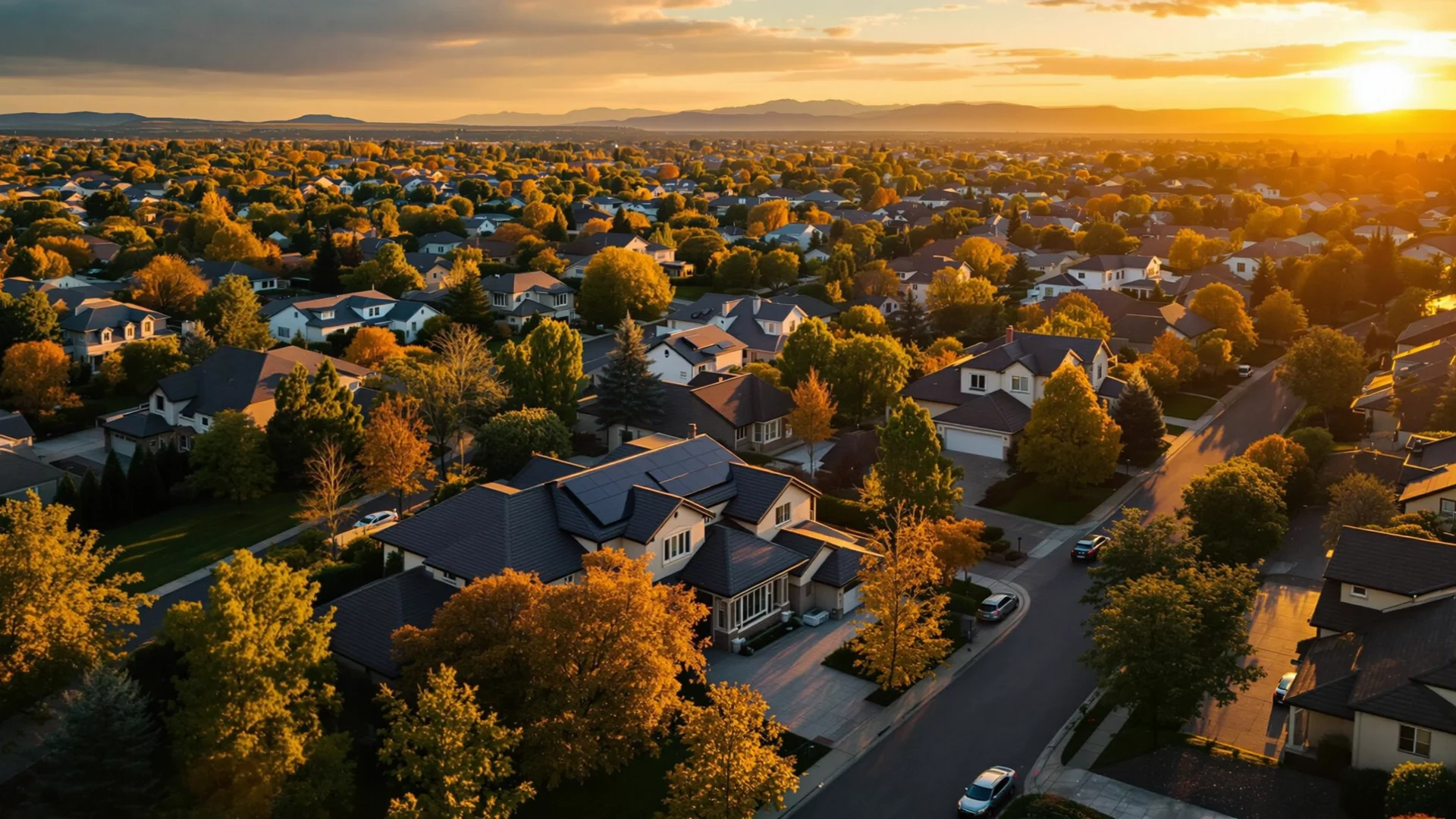
Solar Panel Installation in Longwood, FL
America’s #1 Choice for Energy Independence
Custom-designed systems that lower your bills, increase your home value, and give you full energy control.
By submitting or calling, you consent to receive calls and SMS from The Light Group USA at the number provided, including via auto-dialer or pre-recorded messages. Consent is not required for purchase. Msg/data rates may apply. Reply STOP to opt out. See our Privacy Policy.

Start saving on your energy bills today
Get a custom solar plan designed for your home.
By submitting or calling, you consent to receive calls and SMS from The Light Group USA at the number provided, including via auto-dialer or pre-recorded messages. Consent is not required for purchase. Msg/data rates may apply. Reply STOP to opt out. See our Privacy Policy.
Going solar in Longwood
Longwood's historic district along SR 434 is not a standard Florida subdivision. The lots are older, the tree canopy is heavy, and buildings sit at angles that predate any interest in solar orientation. Half the work of a sound design here happens before anyone discusses equipment: identifying which roof planes actually see enough sun through the day to be worth using, and which ones only look promising on a satellite image.
Duke Energy Florida is the retail provider. The city directs street light reports to Duke and does not appear on FPL's service tariff, which settles a question people often get wrong. Duke credits exported kilowatt-hours at the retail rate, one for one, and reviews every interconnection application before a system is allowed to energize. That review is not a formality; it is the step that decides when the array may legally run.
Shade in Longwood is rarely permanent and never static. Mature oaks throw a moving shadow across a roof through the day and a slowly expanding one across the years. Modeling on today's canopy flatters year ten. The honest version of an estimate accounts for growth, states what it assumed, and shows what production looks like if a neighboring tree is never touched, because that is the scenario the homeowner cannot control.
The roof still leads. Panels over a covering near the end of its life mean paying for the same labor twice. Attachment follows Florida's wind provisions with an engineered fastening plan, inland pressures rather than coastal but calculated all the same, with denser fastening at edges and corners. Permits go to the City of Longwood inside the limits and to Seminole County for unincorporated addresses.
What we settle before a Longwood install
Common questions about solar service in Longwood
Duke Energy Florida. The city directs street light reports to Duke, and Longwood does not appear on FPL's service tariff. Duke credits exported energy at the retail rate, one for one, and its interconnection review is what authorizes the system to start producing. Your own bill is the fastest confirmation for a specific address.
Sometimes yes, and it is better to hear that early. Heavy shade on the only viable roof plane can reduce production enough that the numbers stop working. The assessment measures each plane rather than averaging the roof, and if the honest answer is that the site is poor, saying so costs less than installing a system that underperforms for twenty years.
That is not something we can answer for your property in advance, and we will not guess. The step that works is submitting the proposed placement to the city and obtaining the response in writing before ordering equipment. Placement and visibility from the street are the parts most likely to draw comment, so the layout is prepared with that in mind.
Addresses inside the Longwood city limits permit through the city; unincorporated addresses permit through Seminole County. The two have different submittal packages and different queues, so the jurisdiction is confirmed before filing. Either way the package includes the engineered wind attachment calculation, and an inspection follows construction before the utility review begins.
Age matters less than remaining service life and deck condition. A covering with a decade or more left is generally fine; one with about five years left should be replaced first, because reroofing later means paying to remove and reinstall the array. The site assessment looks at the covering, the deck, and the framing that will carry the attachment.
Solar Installation near Longwood
Crews based in Orlando and Tampa, covering 112 cities statewide.
Central Florida
- Altamonte Springs
- Apopka
- Casselberry
- Clermont
- Daytona Beach
- DeBary
- DeLand
- Deltona
- Edgewater
- Eustis
- Groveland
- Holly Hill
- Kissimmee
- Lady Lake
- Lake Mary
- Leesburg
- Liberty Triangle
- Longwood
- Maitland
- Marion Oaks
- Minneola
- Mount Dora
- New Smyrna Beach
- Ocala
- Ocoee
- Orange City
- Orlando
- Ormond Beach
- Oviedo
- Port Orange
- Sanford
- Silver Springs Shores
- South Daytona
- St. Cloud
- Tavares
- The Villages
- Wildwood
- Winter Garden
- Winter Park
- Winter Springs
We also cover Space Coast, Tampa Bay. See every Florida city we service.