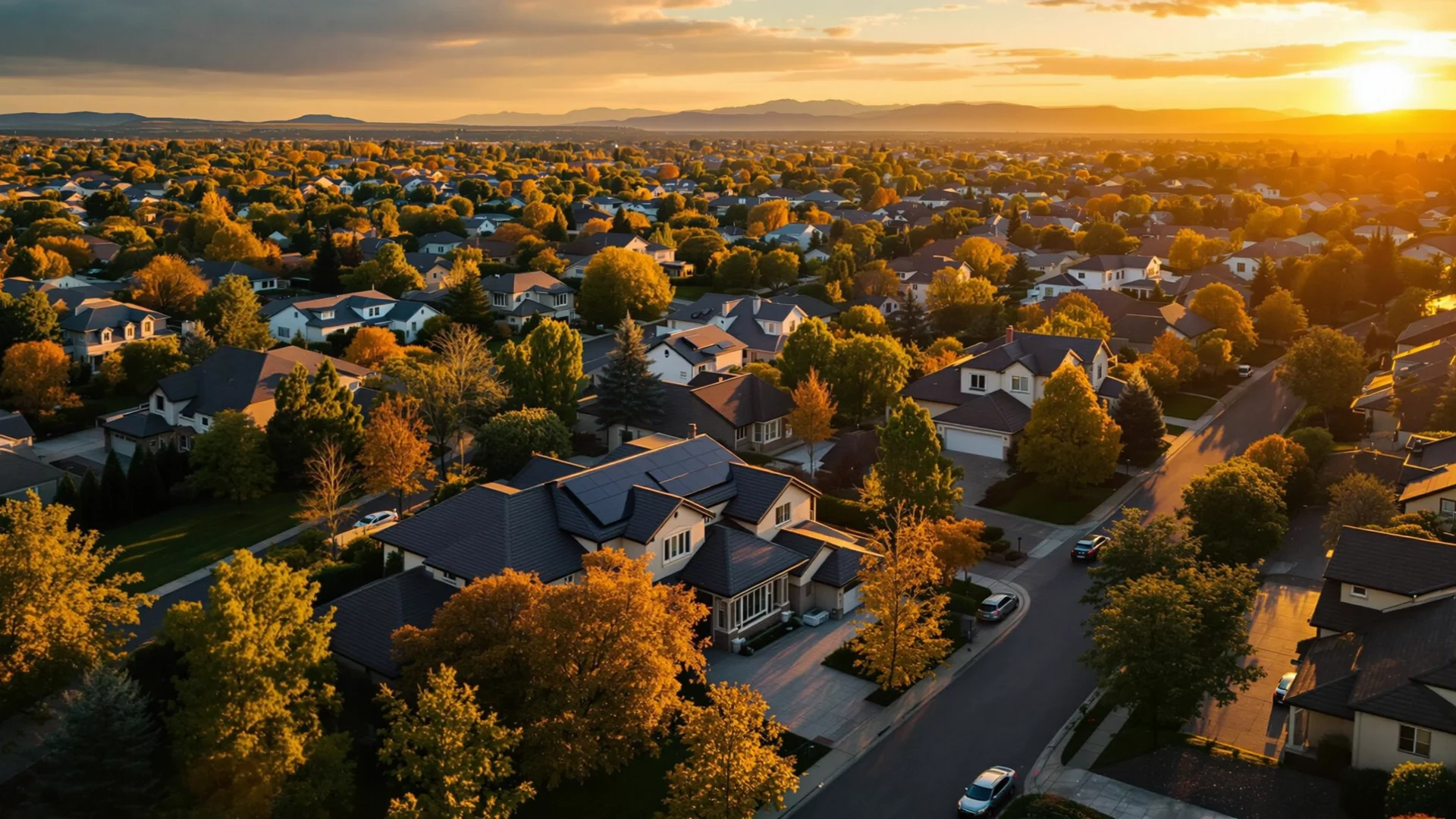
Solar Panel Installation in Lady Lake, FL
America’s #1 Choice for Energy Independence
Custom-designed systems that lower your bills, increase your home value, and give you full energy control.
By submitting or calling, you consent to receive calls and SMS from The Light Group USA at the number provided, including via auto-dialer or pre-recorded messages. Consent is not required for purchase. Msg/data rates may apply. Reply STOP to opt out. See our Privacy Policy.

Start saving on your energy bills today
Get a custom solar plan designed for your home.
By submitting or calling, you consent to receive calls and SMS from The Light Group USA at the number provided, including via auto-dialer or pre-recorded messages. Consent is not required for purchase. Msg/data rates may apply. Reply STOP to opt out. See our Privacy Policy.
Going solar in Lady Lake
Lady Lake is one of the towns where the question of who supplies your power has two legitimate answers. Duke Energy Florida serves part of the town and SECO Energy serves part of it, and the town's own outage guidance points residents to one or the other depending on the address. Along the US 27/441 corridor and around The Villages, that boundary follows nothing a homeowner can see from the street.
It matters because the two are not required to treat exported energy the same way. Duke is an investor-owned utility and credits exports at the retail rate, one for one. SECO is a member-owned cooperative and sets its own interconnection requirements and credit terms. Two identical houses on opposite sides of that line can have different payback math with the same panels on the roof, which is why the utility gets confirmed before any number is written down.
Community rules are the second variable specific to this area. Florida law sharply limits what a homeowners association can prohibit when it comes to solar, but an association can still weigh in on placement where the array is visible from the street. The workable approach is not to argue about it afterward: read the governing documents up front, submit the proposed layout, and keep the written response in the project file.
The rest is ordinary discipline applied honestly. A roof with only a few years of life left gets replaced before anything is bolted to it. The system is sized against twelve months of actual kilowatt-hours from the bills rather than the number of panels the roof could physically hold. And nothing energizes until the serving utility issues permission to operate, whichever of the two that turns out to be.
What we settle before a Lady Lake install
Common questions about solar service in Lady Lake
Your electric bill names the provider, and the meter itself is the physical confirmation. Lady Lake is genuinely split, and the town's own guidance tells residents to report street light problems to Duke Energy or SECO depending on location. We read both during the site visit rather than relying on the address alone, because the boundary is not visible.
Not necessarily. SECO is a member-owned cooperative and sets its own interconnection requirements and credit terms, while Duke, as an investor-owned utility, credits exports at the retail rate one for one. Cooperative terms can also change, so the responsible step is requesting the current terms for your account before the system size is finalized.
Florida law places significant limits on what an association can prohibit, but associations can still have something to say about placement where the array is visible. Rather than characterize the statute for you, we submit the proposed layout to the association in writing and keep the reply on file, so the placement question is settled before equipment is ordered.
The permit follows the jurisdiction of the parcel, which is either the Town of Lady Lake or Lake County. Community architectural review is a separate track from the building permit, and both have to be satisfied. We confirm which building department applies before filing, since submitting to the wrong one is a straightforward way to lose weeks.
No. Lady Lake is inside the area our crews cover from Orlando, and we would rather say that than advertise a local office we do not have. The practical effect is on scheduling rather than on the work itself: installs and service visits are grouped, and we give realistic dates instead of same-week promises we cannot keep.
Other solar work we do here
Solar Installation near Lady Lake
Crews based in Orlando and Tampa, covering 112 cities statewide.
Central Florida
- Altamonte Springs
- Apopka
- Casselberry
- Clermont
- Daytona Beach
- DeBary
- DeLand
- Deltona
- Edgewater
- Eustis
- Groveland
- Holly Hill
- Kissimmee
- Lady Lake
- Lake Mary
- Leesburg
- Liberty Triangle
- Longwood
- Maitland
- Marion Oaks
- Minneola
- Mount Dora
- New Smyrna Beach
- Ocala
- Ocoee
- Orange City
- Orlando
- Ormond Beach
- Oviedo
- Port Orange
- Sanford
- Silver Springs Shores
- South Daytona
- St. Cloud
- Tavares
- The Villages
- Wildwood
- Winter Garden
- Winter Park
- Winter Springs
We also cover Space Coast, Tampa Bay. See every Florida city we service.