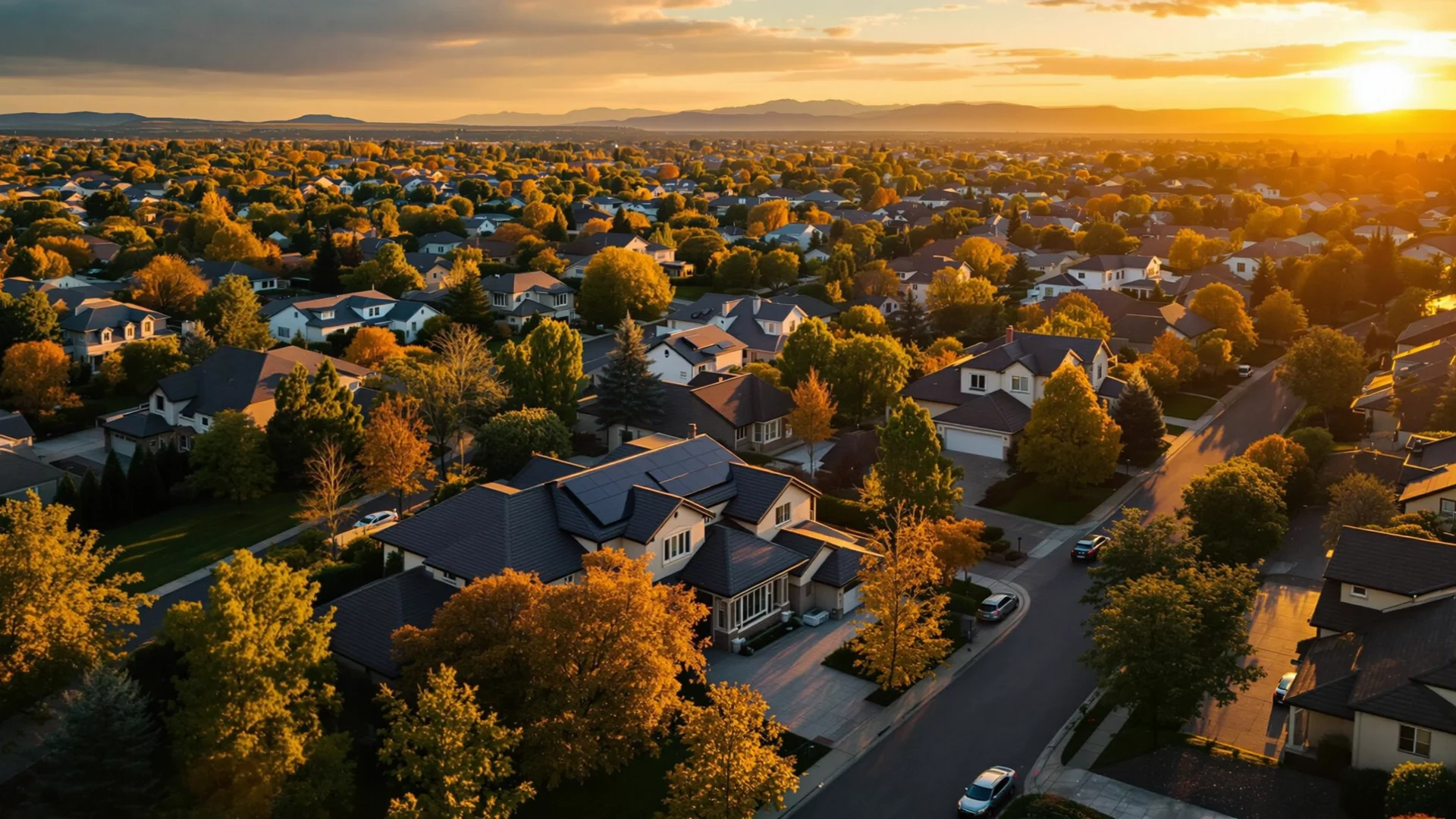
Solar Panel Installation in The Villages, FL
America’s #1 Choice for Energy Independence
Custom-designed systems that lower your bills, increase your home value, and give you full energy control.
By submitting or calling, you consent to receive calls and SMS from The Light Group USA at the number provided, including via auto-dialer or pre-recorded messages. Consent is not required for purchase. Msg/data rates may apply. Reply STOP to opt out. See our Privacy Policy.

Start saving on your energy bills today
Get a custom solar plan designed for your home.
By submitting or calling, you consent to receive calls and SMS from The Light Group USA at the number provided, including via auto-dialer or pre-recorded messages. Consent is not required for purchase. Msg/data rates may apply. Reply STOP to opt out. See our Privacy Policy.
Going solar in The Villages
The utility here is a cooperative, and that is the headline. SECO Energy covers roughly 93 percent of the land area, and cooperatives set their own interconnection requirements and their own terms for crediting energy sent back to the grid. They are not bound to the retail one-to-one arrangement that FPL, Duke, and Tampa Electric use. Any savings figure has to be built on SECO's actual policy.
The remaining share of the land area is served differently, which makes address-level confirmation more than a formality. Read the provider off the bill and the meter before a proposal is written. Two homes a few streets apart can fall under different rules, and that difference shows up in every single year of a twenty-five year projection. The check takes five minutes and settles which rules apply.
Much of the housing around Lake Sumter Landing Market Square and the districts beyond it is relatively recent, which usually works in a homeowner's favor: a newer covering can carry an array through its full service life without an interruption for reroofing. Confirm the covering's replacement date anyway rather than assuming from the build year, because a roof redone since construction changes the sequencing.
Community standards are part of the process here. Florida law significantly limits what an association can prohibit on solar, though an association can still weigh in on visible placement. Submit the layout, keep the written response, and file it with the permit. The area is inland, so heat and lightning matter more than salt, and hurricane season still runs June 1 through November 30.
What we settle before a The Villages install
Common questions about solar service in The Villages
Not necessarily. SECO Energy is a cooperative, and cooperatives set their own interconnection rules and their own credit terms for exported energy rather than following the retail one-to-one arrangement used by Florida's investor-owned utilities. Request SECO's current policy in writing and have the savings estimate built on it.
Check the provider name on your electric bill and at the meter. SECO Energy covers roughly 93 percent of the land area, which leaves a portion served differently. Since the credit terms, the application, and the interconnection process all follow the utility, that confirmation belongs at the start.
Florida law significantly limits what an association can prohibit when it comes to solar, though an association can still have a say about where a visible array is placed. Submit the layout through the review process, keep the written response, and file it with your permit documents.
Yes, briefly. A newer build usually means a covering with plenty of service life left, which is the ideal case, but roofs get replaced after storms and repairs are not always documented in the sale paperwork. Confirming the covering's actual date takes little effort and settles the sequencing question.
Salt corrosion is off the table, which extends the practical life of racking, fasteners, and connectors. In exchange, inland heat reduces module output during long summers, and central Florida sees frequent lightning. Both are addressed through mounting clearance, grounding, and equipment placement rather than through different panels.
Other solar work we do here
Solar Installation near The Villages
Crews based in Orlando and Tampa, covering 112 cities statewide.
Central Florida
- Altamonte Springs
- Apopka
- Casselberry
- Clermont
- Daytona Beach
- DeBary
- DeLand
- Deltona
- Edgewater
- Eustis
- Groveland
- Holly Hill
- Kissimmee
- Lady Lake
- Lake Mary
- Leesburg
- Liberty Triangle
- Longwood
- Maitland
- Marion Oaks
- Minneola
- Mount Dora
- New Smyrna Beach
- Ocala
- Ocoee
- Orange City
- Orlando
- Ormond Beach
- Oviedo
- Port Orange
- Sanford
- Silver Springs Shores
- South Daytona
- St. Cloud
- Tavares
- The Villages
- Wildwood
- Winter Garden
- Winter Park
- Winter Springs
We also cover Space Coast, Tampa Bay. See every Florida city we service.