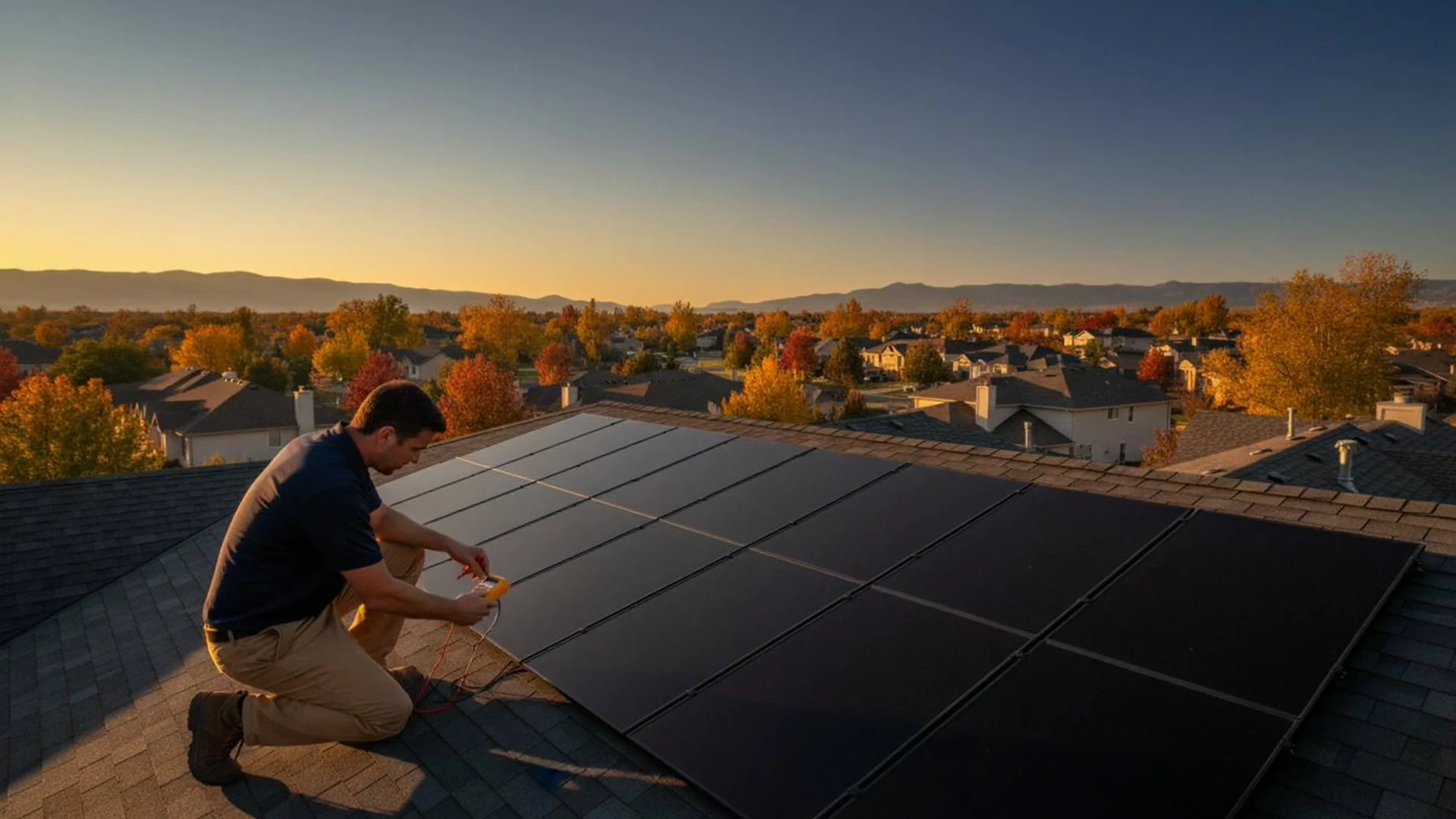
Solar Panel Repair & Maintenance in Clearwater, FL
America’s #1 Choice for Energy Independence
Crews in Orlando and Tampa covering Pinellas County. Free inspection, no obligation.
By submitting or calling, you consent to receive calls and SMS from The Light Group USA at the number provided, including via auto-dialer or pre-recorded messages. Consent is not required for purchase. Msg/data rates may apply. Reply STOP to opt out. See our Privacy Policy.
Solar service in Clearwater
Clearwater sits on the Gulf side of Pinellas County, with Clearwater Beach and Pier 60 a causeway ride from downtown. Salt-laden air moves inland here every day and it does not stop at the beach blocks. For rooftop solar that air is the defining long-term threat, and it does its work in places nobody can see from the driveway or from the ground.
The panels themselves usually hold up. Glass and anodized frames tolerate salt well. What fails is the metal around them: rail splices, stainless hardware that turned out to be less stainless than it looked, grounding lugs, and MC4 connectors where corrosion creeps inside the housing. A connector can look flawless from below and be green inside, running hot on every clear afternoon.
Duke Energy Florida serves Clearwater and credits exported energy at the full retail rate. Florida's electric market is regulated, so the provider is fixed by your address and there is nothing to shop for. What you can control is whether the system is actually producing what it should be, which is exactly where a corroded connection quietly bleeds money month after month.
Hurricane season runs June 1 through November 30, and a barrier-island county takes wind from directions inland roofs never see. We check attachment torque, flashing and rail spans before the season starts rather than after it ends, and we handle post-storm inspections once it passes. Our crews are based in Orlando and Tampa, and Clearwater is covered from the Tampa side of that pair.
On a Clearwater system we look at these
We keep your solar system running at peak performance
From expert repairs to proactive maintenance, our team helps keep your solar system efficient, protected, and hassle-free. Whether you need a quick fix or ongoing support, we make it easy to restore performance and prevent future issues.

Simple, stress-free service process
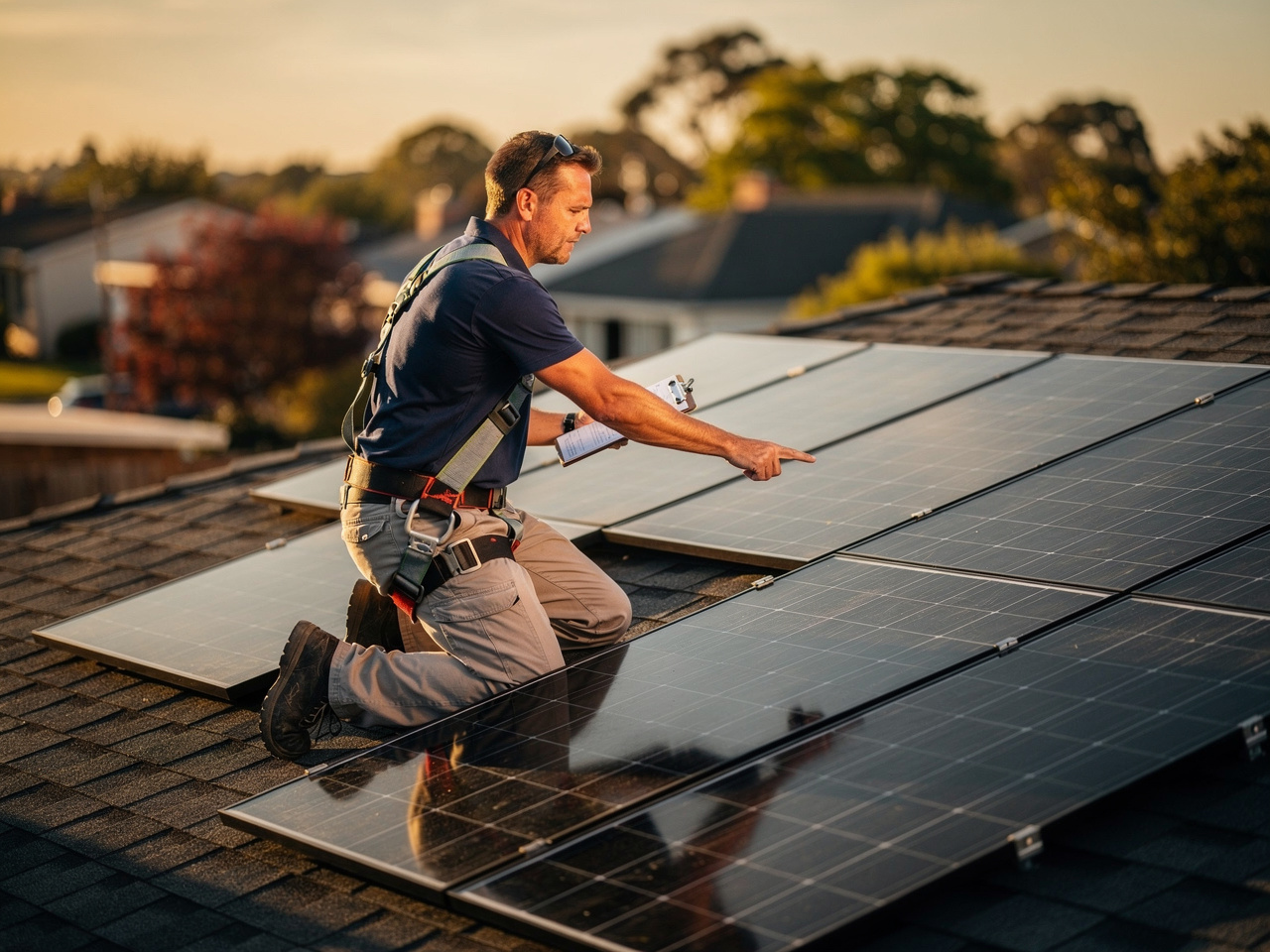
Free Inspection
We assess your system, identify issues, and check overall performance.

Clear Recommendations
You get a simple action plan with clear next steps and no confusion.
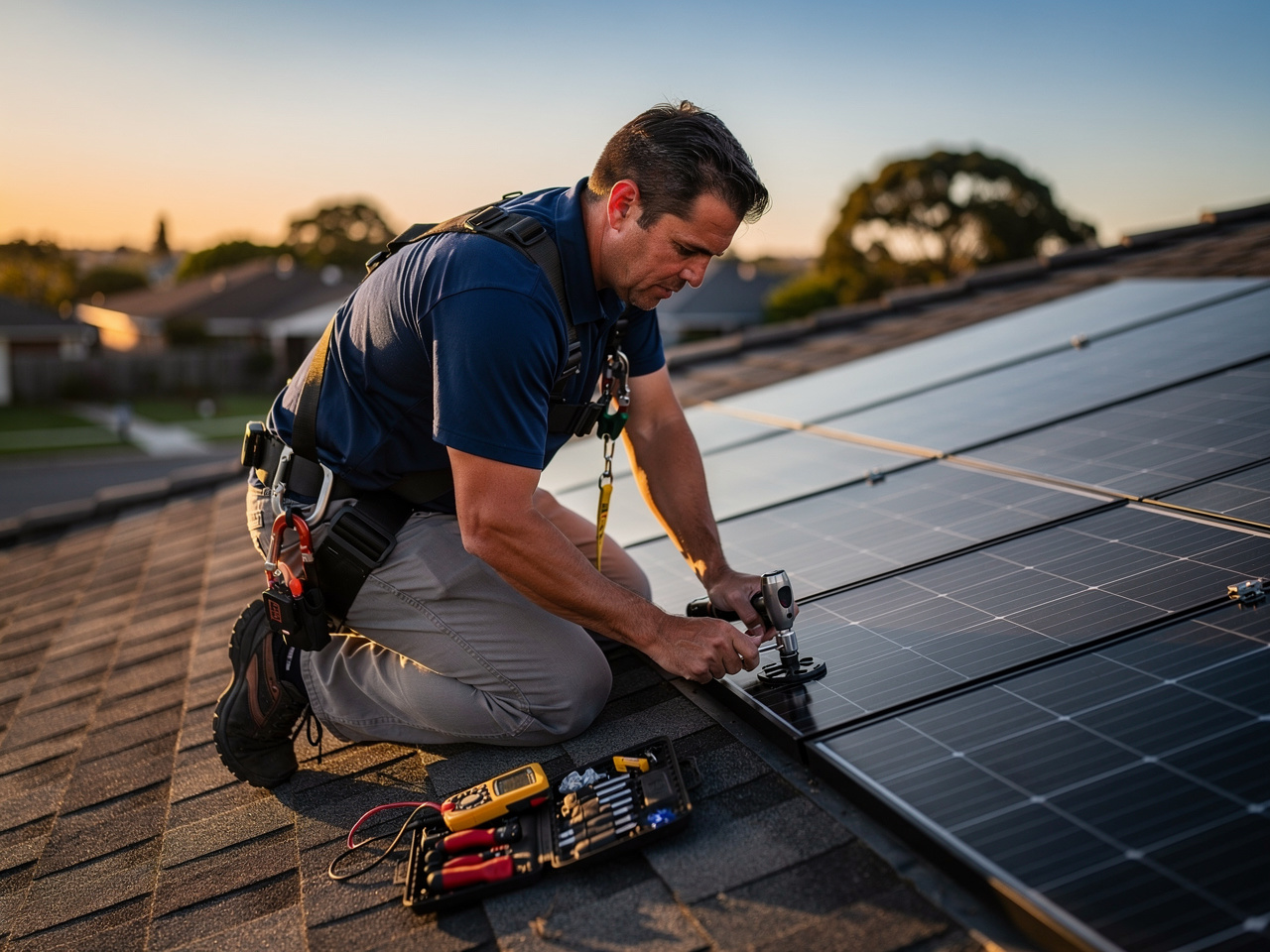
Expert Repair or Maintenance
Our technicians complete the work needed to restore and optimize your system.
Ongoing Performance
We help you keep everything running efficiently with continued support and monitoring options.
Common questions about solar service in Clearwater
The panels are usually the last thing to go. Glass and anodized frames tolerate salt well. The failures we find near the water are metallic and small: connector pins, grounding lugs, stainless hardware and rail splices. They corrode from inside the fitting outward, which is why an array can look perfect and still be losing real output.
Yes. Salt travels as aerosol on the sea breeze, and Clearwater is narrow enough that no part of the city gets a pass. Exposure drops with distance, but the mechanism is identical. The practical difference is timing: homes further from the water see the same corrosion, just a few years later than beachfront ones.
More often than an inland one, and at minimum around the start and end of hurricane season. What matters more than frequency is what actually gets inspected. A walk-around that never opens a connector, a combiner box or an inverter enclosure will not find coastal corrosion, because coastal corrosion happens inside enclosures.
Nothing on the roof yourself. Know where the AC disconnect and the rapid shutdown switch are, confirm the monitoring is reporting so you have a before-and-after record, and get attachment and flashing checked before June rather than the week a storm is named. Season runs June 1 through November 30.
No. Florida's electric market is regulated and the provider is set by your address, which in Clearwater is Duke Energy Florida. What you can influence is how much of your own generation you use, how much you export at the retail credit rate, and whether the array is running at full output in the first place.
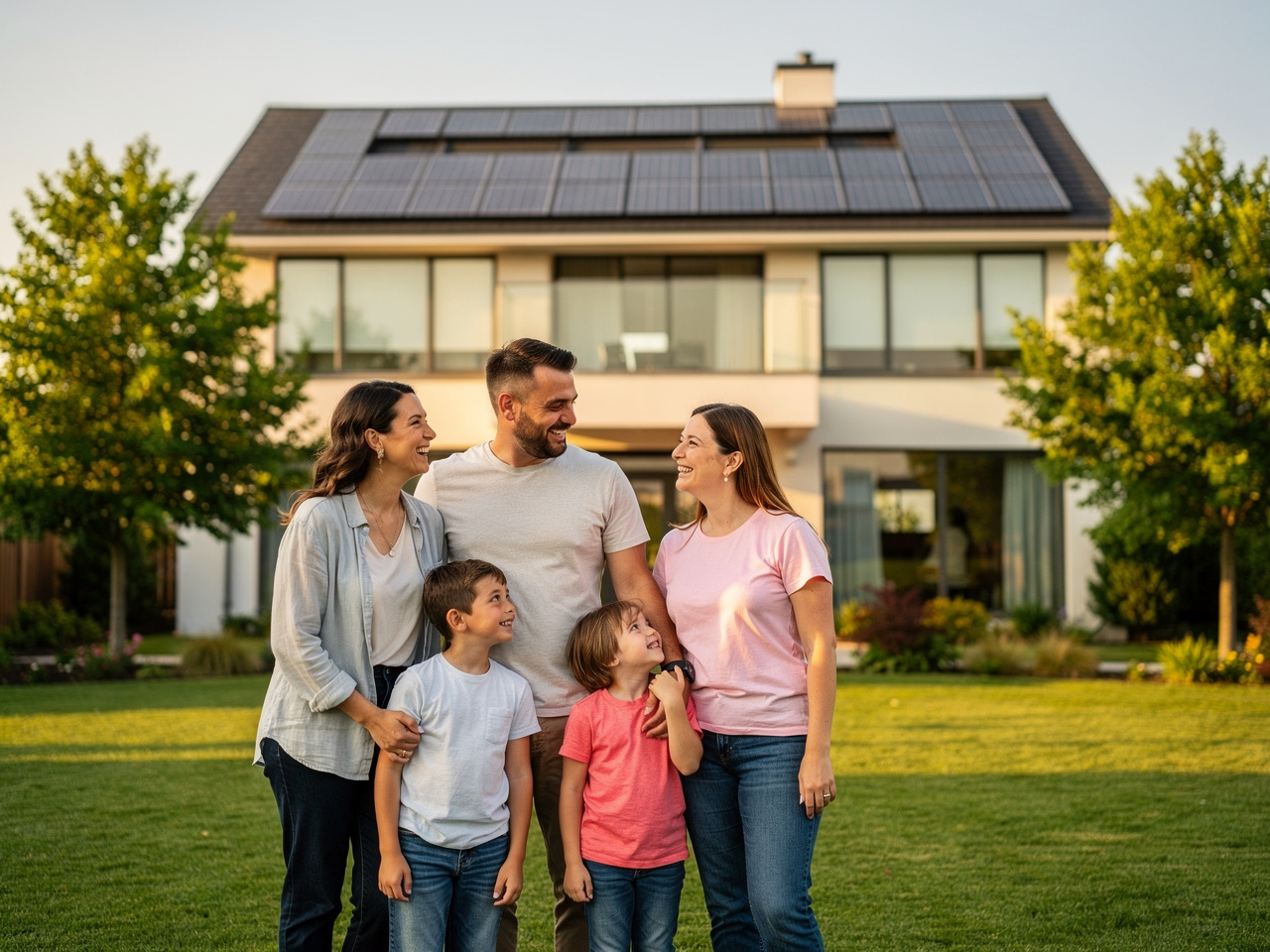
Get your solar system back to full performance
Don't let hidden issues cost you money. Let's fix it fast.
By submitting or calling, you consent to receive calls and SMS from The Light Group USA at the number provided, including via auto-dialer or pre-recorded messages. Consent is not required for purchase. Msg/data rates may apply. Reply STOP to opt out. See our Privacy Policy.
Solar Service & Repair near Clearwater
Crews based in Orlando and Tampa, covering 217 cities statewide.
Tampa Bay
- Apollo Beach
- Auburndale
- Bartow
- Bayonet Point
- Bayshore Gardens
- Bloomingdale
- Bradenton
- Brandon
- Carrollwood
- Citrus Park
- Clearwater
- Davenport
- Dunedin
- East Lake
- East Lake-Orient Park
- Egypt Lake-Leto
- Elfers
- Englewood
- Fish Hawk
- Four Corners
- Fruitville
- Gibsonton
- Haines City
- Holiday
- Jasmine Estates
- Keystone
- Lake Magdalene
- Lake Wales
- Lakeland
- Lakewood Ranch
- Land O' Lakes
- Largo
- Lealman
- Lutz
- New Port Richey
- North Port
- Northdale
- Palm Harbor
- Palm River-Clair Mel
- Palmer Ranch
- Pinellas Park
- Plant City
- Poinciana
- Riverview
- Ruskin
- Safety Harbor
- Sarasota
- Seminole
- South Bradenton
- South Venice
- St. Petersburg
- Sun City Center
- Tampa
- Tarpon Springs
- Temple Terrace
- Thonotosassa
- Town 'n' Country
- Trinity
- University
- Valrico
- Venice
- Wesley Chapel
- Westchase
- Wimauma
- Winter Haven
- Zephyrhills
We also cover Florida Panhandle, North Florida, Northeast Florida, Central Florida, Space Coast, Southwest Florida, Treasure Coast, South Florida. See every Florida city we service.