Solar Panel Repair & Maintenance in Venice, FL
America’s #1 Choice for Energy Independence
Crews in Orlando and Tampa covering Sarasota County. Free inspection, no obligation.
By submitting or calling, you consent to receive calls and SMS from The Light Group USA at the number provided, including via auto-dialer or pre-recorded messages. Consent is not required for purchase. Msg/data rates may apply. Reply STOP to opt out. See our Privacy Policy.
Solar service in Venice
Venice faces the open Gulf. Venice Beach and the historic downtown along West Venice Avenue sit within a stone's throw of water that is not a bay or a tidal creek but genuinely exposed coastline. That distinction matters for solar hardware. Open-water salt spray is more aggressive than the brackish air of an inland canal, and it reaches roofs several blocks back from the sand on a steady onshore breeze.
The damage pattern is consistent. Aluminum racking pits, fasteners seize or thin out, grounding lugs whiten and lose contact, and MC4 connectors corrode inside their housings where no inspection from the driveway will ever find them. The modules themselves usually outlast all of it. What fails is the mounting and wiring hardware, and it fails quietly, as production that drifts down without ever throwing a fault.
Florida Power and Light serves Venice, assigned by address under Florida's regulated market. As an investor-owned utility, FPL credits exported energy at the retail rate one-for-one, which is a different arrangement from the municipal utilities and cooperatives operating elsewhere in this region. Knowing that your credits are landing correctly is part of a service visit, not just an accounting question for the annual true-up.
Hurricane season runs June 1 through November 30, and a Gulf-facing array should be checked at both ends of it. Before the season, attachment and torque. After it, connectors, grounding, and any flashing the wind worked loose. Venice sits at the southern edge of the territory our Tampa crews cover, and post-storm scheduling is easier when the pre-season inspection already happened.
On a Venice system we look at these
We keep your solar system running at peak performance
From expert repairs to proactive maintenance, our team helps keep your solar system efficient, protected, and hassle-free. Whether you need a quick fix or ongoing support, we make it easy to restore performance and prevent future issues.

Simple, stress-free service process
Free Inspection
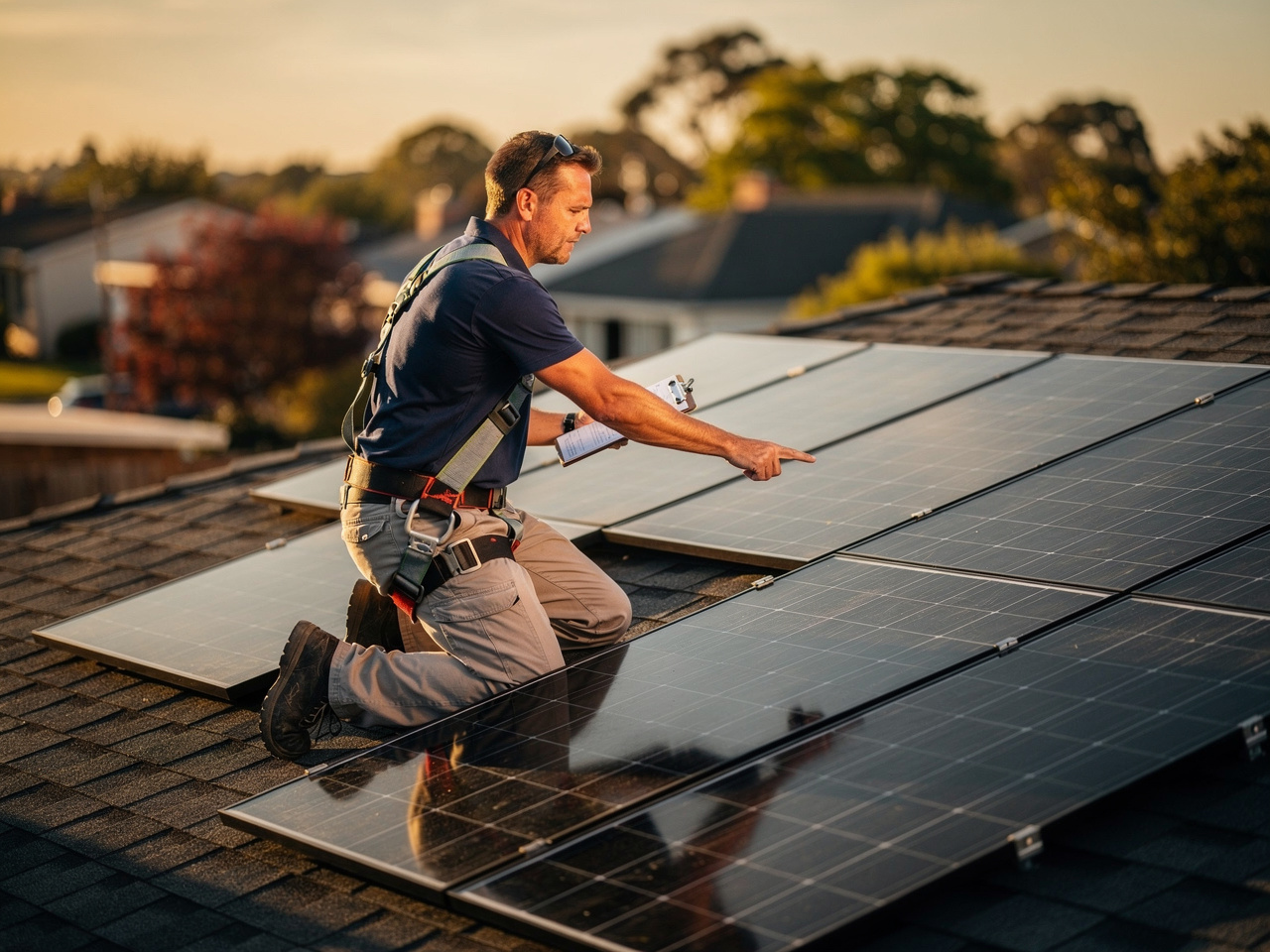
We assess your system, identify issues, and check overall performance.

Clear Recommendations
You get a simple action plan with clear next steps and no confusion.
Expert Repair or Maintenance
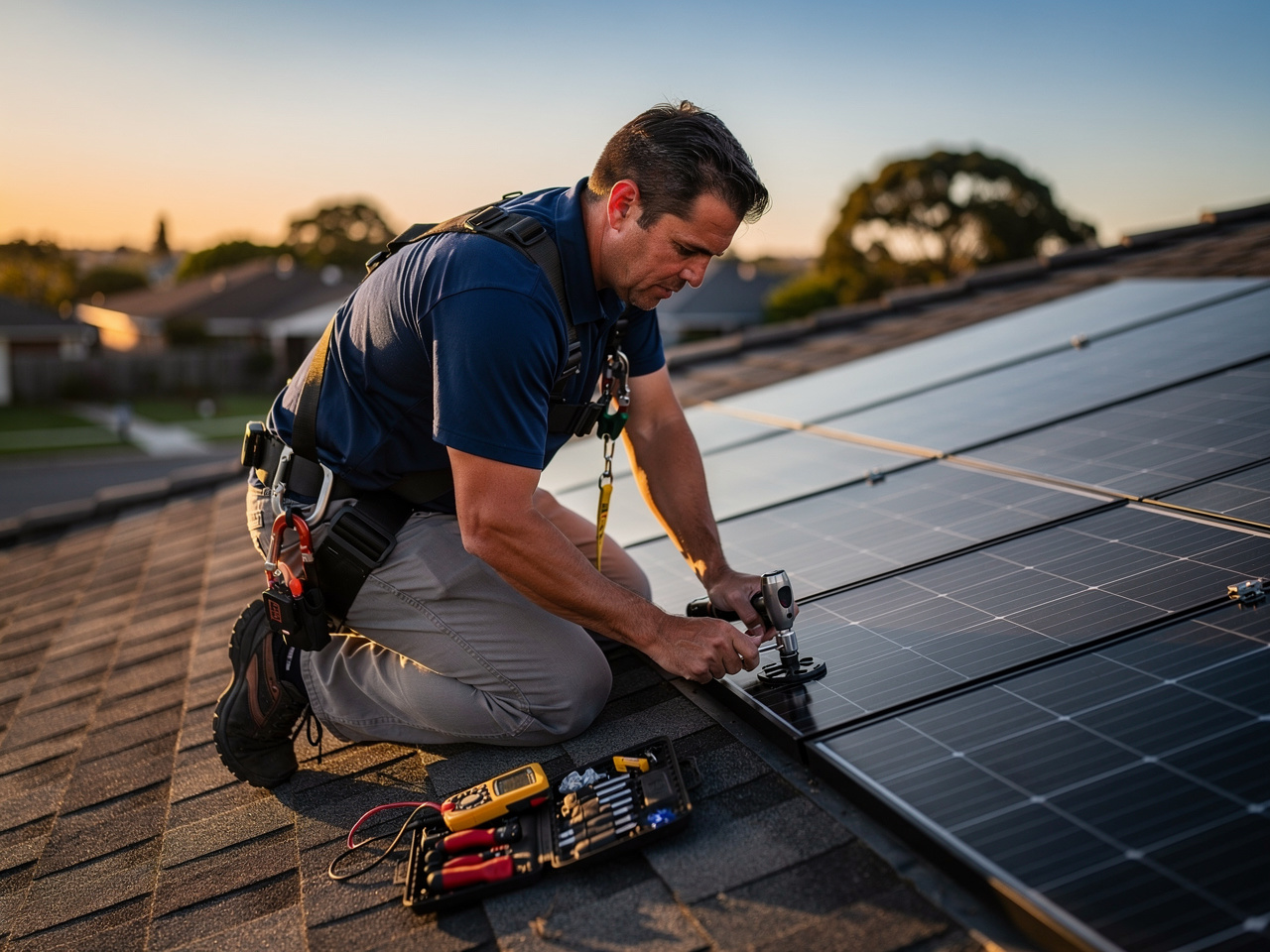
Our technicians complete the work needed to restore and optimize your system.
Ongoing Performance
We help you keep everything running efficiently with continued support and monitoring options.
Common questions about solar service in Venice
FPL is investor-owned, so it credits exported energy at the retail rate one-for-one. Municipal utilities like Lakeland Electric and cooperatives set their own solar credit rules, which can differ substantially. In Florida's regulated market you do not choose your provider, so the arrangement that applies to you is determined by your address.
After a direct hit or serious wind event, yes. Uplift loosens attachments and driven rain forces salt water into connectors and enclosures. Even without visible damage, a post-storm check of torque, flashing, grounding, and connector condition catches problems while they are still small repairs rather than water intrusion or a failed string.
A properly engineered and correctly anchored array is designed for it. The failures we find are almost always installation issues: mounts fastened to sheathing instead of framing, undersized hardware, or attachments that were never re-torqued. That is exactly what a pre-season inspection is looking for.
Only if they were installed poorly or the flashing has since failed. Tile requires specific mounting hardware and proper flashing beneath the tile course, not a hole drilled through it. We inspect each penetration for cracked tile and sealant failure and repair them properly rather than adding more sealant on top.
Because near open salt water the mounting and wiring hardware degrades well before the modules do. Rails, clamps, fasteners, grounding lugs, and connectors are the components that corrode, and most of that happens inside housings and under hardware where it cannot be seen from the ground.
Get your solar system back to full performance
Don't let hidden issues cost you money. Let's fix it fast.
By submitting or calling, you consent to receive calls and SMS from The Light Group USA at the number provided, including via auto-dialer or pre-recorded messages. Consent is not required for purchase. Msg/data rates may apply. Reply STOP to opt out. See our Privacy Policy.
Solar Service & Repair near Venice
Crews based in Orlando and Tampa, covering 217 cities statewide.
Tampa Bay
- Apollo Beach
- Auburndale
- Bartow
- Bayonet Point
- Bayshore Gardens
- Bloomingdale
- Bradenton
- Brandon
- Carrollwood
- Citrus Park
- Clearwater
- Davenport
- Dunedin
- East Lake
- East Lake-Orient Park
- Egypt Lake-Leto
- Elfers
- Englewood
- Fish Hawk
- Four Corners
- Fruitville
- Gibsonton
- Haines City
- Holiday
- Jasmine Estates
- Keystone
- Lake Magdalene
- Lake Wales
- Lakeland
- Lakewood Ranch
- Land O' Lakes
- Largo
- Lealman
- Lutz
- New Port Richey
- North Port
- Northdale
- Palm Harbor
- Palm River-Clair Mel
- Palmer Ranch
- Pinellas Park
- Plant City
- Poinciana
- Riverview
- Ruskin
- Safety Harbor
- Sarasota
- Seminole
- South Bradenton
- South Venice
- St. Petersburg
- Sun City Center
- Tampa
- Tarpon Springs
- Temple Terrace
- Thonotosassa
- Town 'n' Country
- Trinity
- University
- Valrico
- Venice
- Wesley Chapel
- Westchase
- Wimauma
- Winter Haven
- Zephyrhills
We also cover Florida Panhandle, North Florida, Northeast Florida, Central Florida, Space Coast, Southwest Florida, Treasure Coast, South Florida. See every Florida city we service.