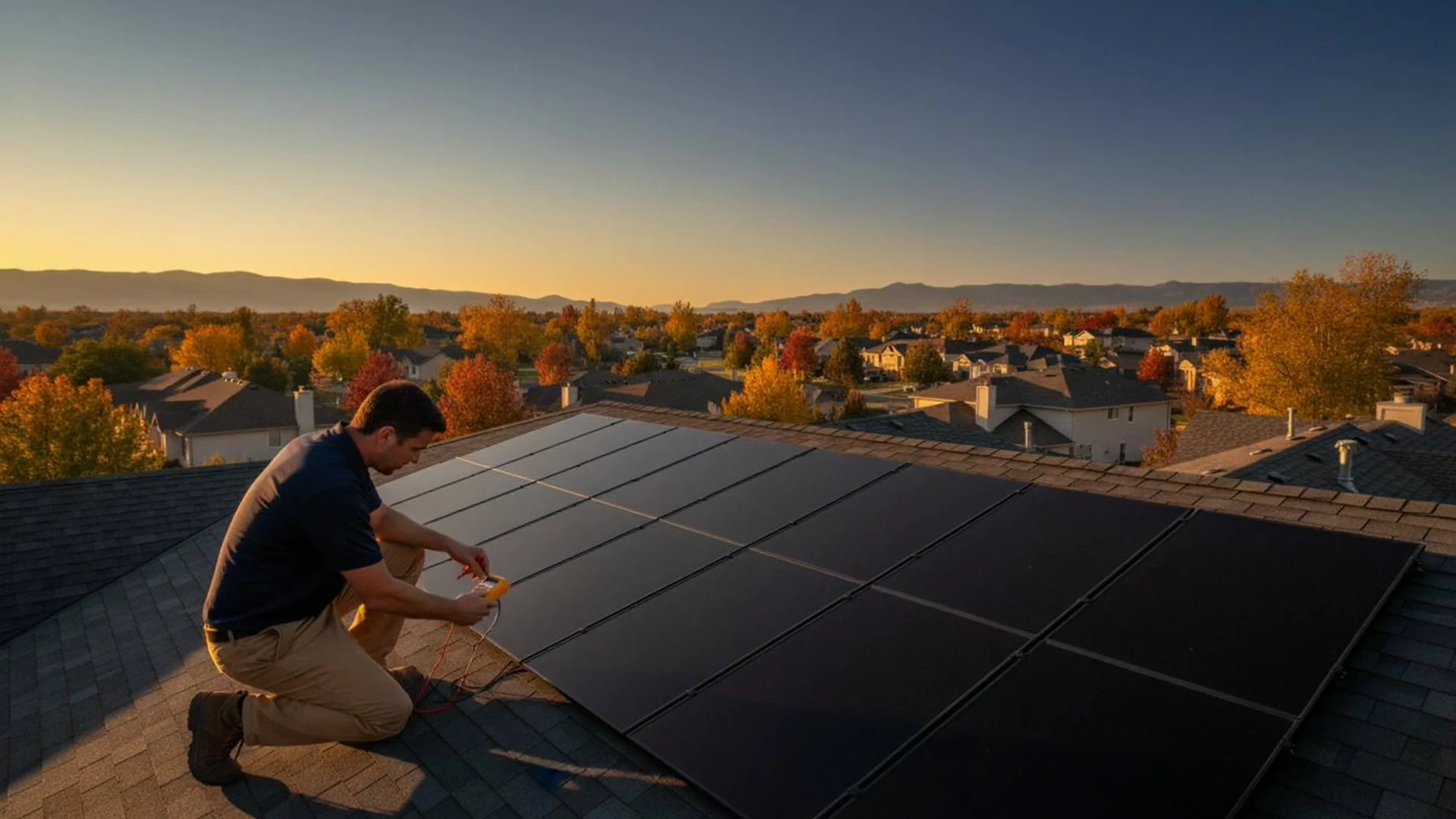
Solar Panel Repair & Maintenance in University, FL
America’s #1 Choice for Energy Independence
Crews in Orlando and Tampa covering Hillsborough County. Free inspection, no obligation.
By submitting or calling, you consent to receive calls and SMS from The Light Group USA at the number provided, including via auto-dialer or pre-recorded messages. Consent is not required for purchase. Msg/data rates may apply. Reply STOP to opt out. See our Privacy Policy.
Solar service in University
The University area wraps around the USF Tampa campus between Fowler Avenue and Bruce B. Downs Boulevard, and its housing is a mix you do not find elsewhere in Hillsborough County: single-story homes from the sixties and seventies alongside a heavy share of rental property. That mix matters for solar, because the person paying the electric bill and the person who owns the roof are frequently two different people.
Tampa Electric serves the whole area, and Florida's regulated market means the provider comes with the address. TECO credits exported solar one for one at the retail rate up to ten kilowatts, protected under state law. The detail worth knowing on a rental is that credits attach to the utility account, not to the roof, so who holds the account determines who actually benefits from every exported kilowatt-hour.
You are about eleven kilometers inland here, so salt corrosion is not the driver. The pressures are heat, dust and shade. Inverters mounted on west-facing walls run hot through the afternoon and derate quietly during peak production hours. Traffic along Fowler and Bruce B. Downs lifts fine road dust that settles on low-angle arrays and cements after a light rain, taking output down with no fault logged anywhere.
Older housing brings its own issue: the electrical service. Many homes in these neighborhoods have panels that predate the array by forty years, and how the solar backfeed was landed on that busbar is one of the first things we look at. Add a lightning corridor and a June 1 to November 30 storm season, and spring inspection becomes the sensible default rather than a precaution.
On a University system we look at these
We keep your solar system running at peak performance
From expert repairs to proactive maintenance, our team helps keep your solar system efficient, protected, and hassle-free. Whether you need a quick fix or ongoing support, we make it easy to restore performance and prevent future issues.

Simple, stress-free service process
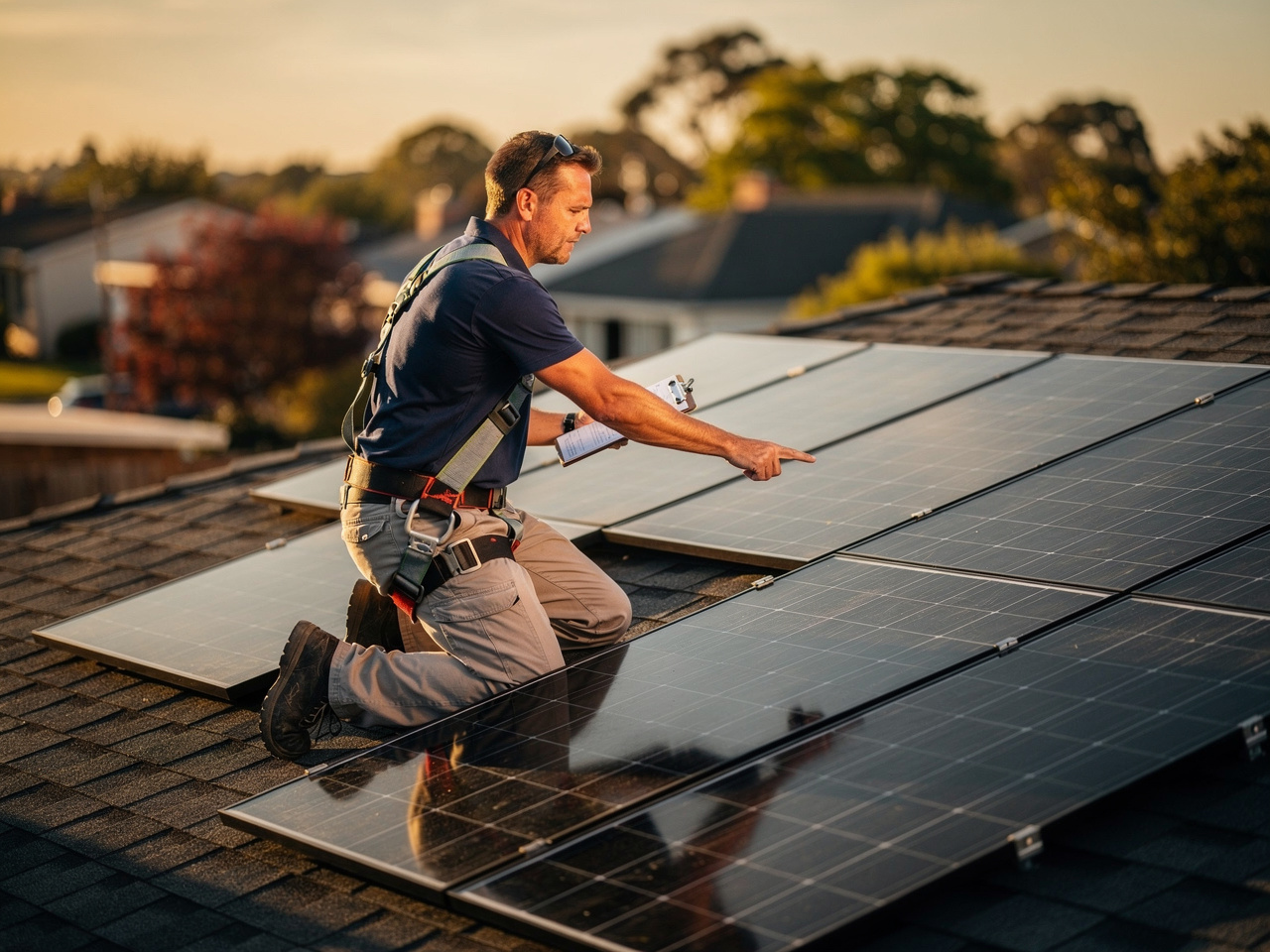
Free Inspection
We assess your system, identify issues, and check overall performance.
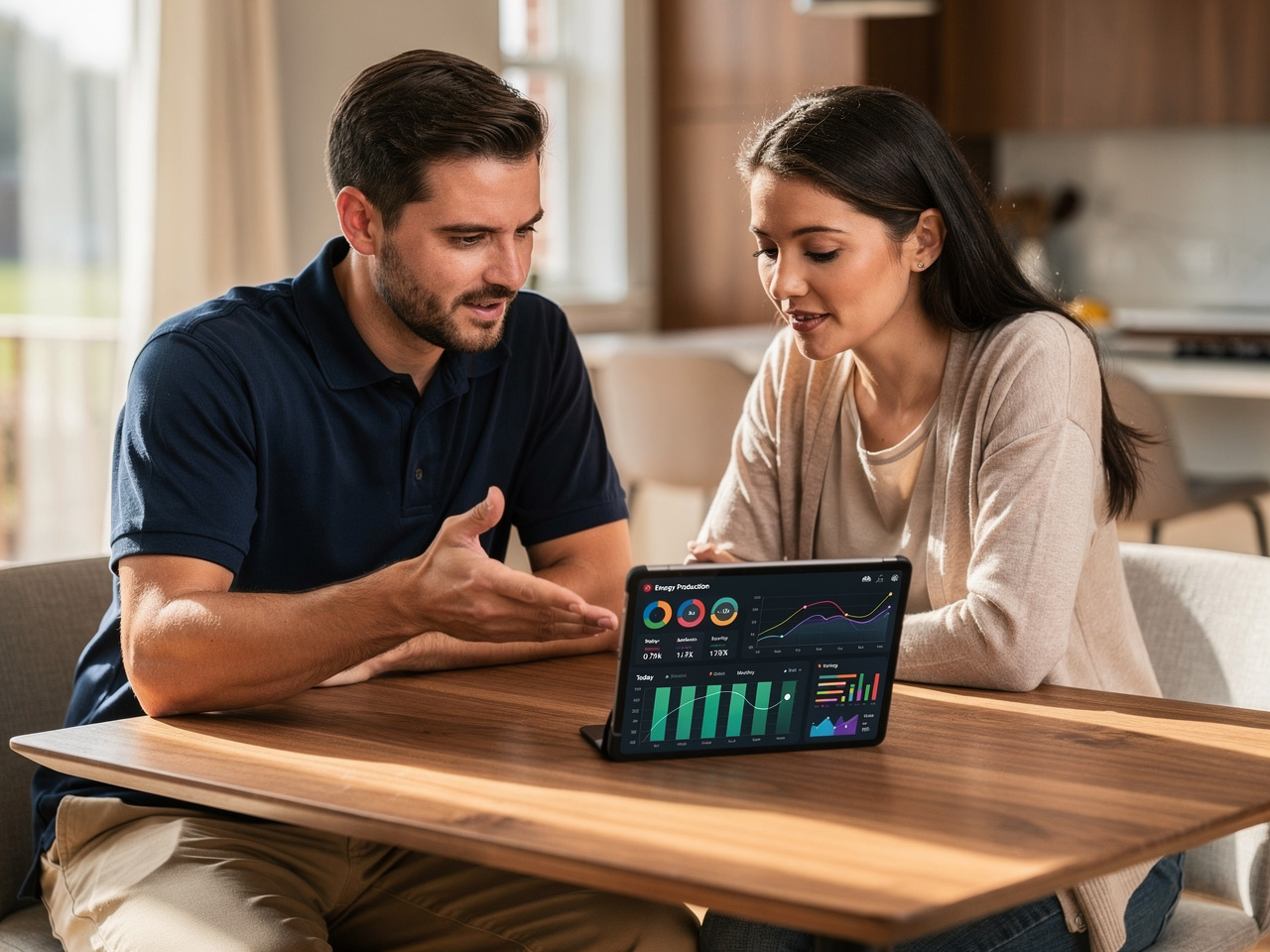
Clear Recommendations
You get a simple action plan with clear next steps and no confusion.
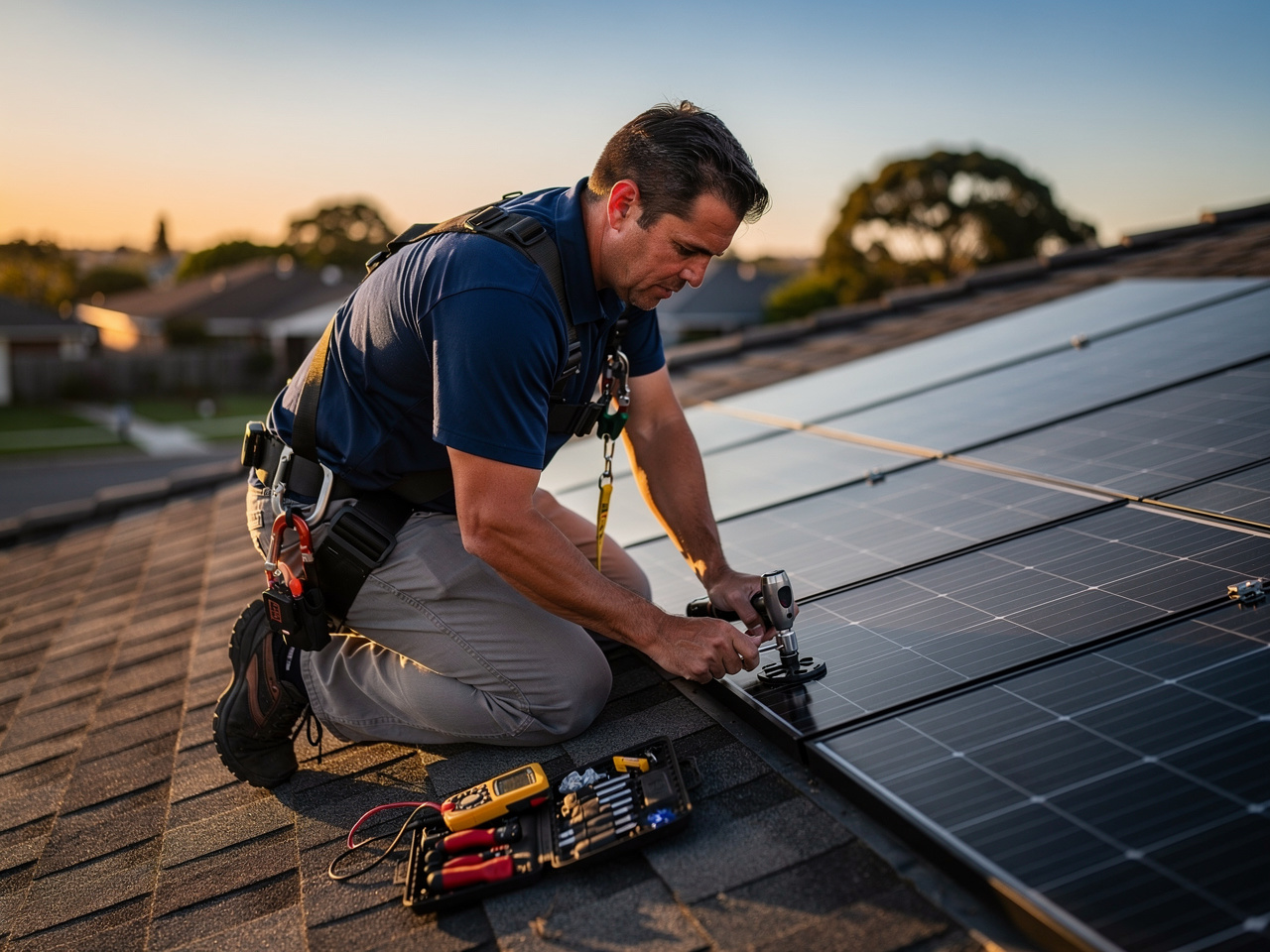
Expert Repair or Maintenance
Our technicians complete the work needed to restore and optimize your system.
Ongoing Performance
We help you keep everything running efficiently with continued support and monitoring options.
Common questions about solar service in University
Tampa Electric credits residential solar exports at the full retail rate, one for one, for systems up to ten kilowatts, and that protection is written into state law. Above that size the arrangement is different. It is the number to design around if you are considering adding capacity to an existing array.
Whoever holds the electric account with TECO. Credits are applied to the account, not to the property title, so if the tenant is the account holder the tenant sees the benefit. Owners planning around solar savings on a rental should settle who holds the account before assuming where the value lands.
It can be, and it is one of the first things we check in these neighborhoods. What matters is the busbar rating and how the solar breaker was landed relative to the main. Some older panels handle it fine, some do not, and a few known-problem panel types warrant replacement regardless of the solar.
Often, yes, because the problem here is road dust rather than salt. Fine particulate from the Fowler and Bruce B. Downs corridors settles and binds after light rain into a film that does not wash off. We measure the difference on a sample section first, and if the recovery is negligible we say so.
Yes. The strike corridor covers this whole region, not just the shoreline, and a nearby ground strike can push a surge into your service without touching the house at all. Surge devices are sacrificial and give no visible sign once spent, so having one installed is not the same as being protected today.
Get your solar system back to full performance
Don't let hidden issues cost you money. Let's fix it fast.
By submitting or calling, you consent to receive calls and SMS from The Light Group USA at the number provided, including via auto-dialer or pre-recorded messages. Consent is not required for purchase. Msg/data rates may apply. Reply STOP to opt out. See our Privacy Policy.
Solar Service & Repair near University
Crews based in Orlando and Tampa, covering 217 cities statewide.
Tampa Bay
- Apollo Beach
- Auburndale
- Bartow
- Bayonet Point
- Bayshore Gardens
- Bloomingdale
- Bradenton
- Brandon
- Carrollwood
- Citrus Park
- Clearwater
- Davenport
- Dunedin
- East Lake
- East Lake-Orient Park
- Egypt Lake-Leto
- Elfers
- Englewood
- Fish Hawk
- Four Corners
- Fruitville
- Gibsonton
- Haines City
- Holiday
- Jasmine Estates
- Keystone
- Lake Magdalene
- Lake Wales
- Lakeland
- Lakewood Ranch
- Land O' Lakes
- Largo
- Lealman
- Lutz
- New Port Richey
- North Port
- Northdale
- Palm Harbor
- Palm River-Clair Mel
- Palmer Ranch
- Pinellas Park
- Plant City
- Poinciana
- Riverview
- Ruskin
- Safety Harbor
- Sarasota
- Seminole
- South Bradenton
- South Venice
- St. Petersburg
- Sun City Center
- Tampa
- Tarpon Springs
- Temple Terrace
- Thonotosassa
- Town 'n' Country
- Trinity
- University
- Valrico
- Venice
- Wesley Chapel
- Westchase
- Wimauma
- Winter Haven
- Zephyrhills
We also cover Florida Panhandle, North Florida, Northeast Florida, Central Florida, Space Coast, Southwest Florida, Treasure Coast, South Florida. See every Florida city we service.