Solar Panel Repair & Maintenance in Dunedin, FL
America’s #1 Choice for Energy Independence
Crews in Orlando and Tampa covering Pinellas County. Free inspection, no obligation.
By submitting or calling, you consent to receive calls and SMS from The Light Group USA at the number provided, including via auto-dialer or pre-recorded messages. Consent is not required for purchase. Msg/data rates may apply. Reply STOP to opt out. See our Privacy Policy.
Solar service in Dunedin
Dunedin is on the water in a way almost nowhere else in this list is. The shoreline runs the length of the city, the causeway carries you out to Honeymoon Island, and the onshore breeze off the Gulf blows across these roofs every day of the year. Around 35,900 people live in 34698 and 34683. Here the marine environment is not a footnote, it is the whole inspection.
Salt reaches the hardware long before it touches the panels. Module glass and frames handle it well. Rails, bolts, clamps, grounding lugs and MC4 connectors do not. Worst of all is what happens inside a connector housing, where salt-laden humidity works on the metal contact out of sight, resistance climbs, the joint warms, and a string starts underproducing with no fault reported anywhere.
Wind is the second half of it. Hurricane season runs June first through November thirtieth, and what holds an array down through ordinary weather is not the same as what holds it through a gust event. Fastener torque relaxes, rail splices loosen, edge modules take the highest uplift, and roof penetrations that were sound at install work themselves open a little each season.
Duke Energy Florida serves Dunedin, and Florida is a regulated market, so the utility comes with the address rather than being chosen. Duke is investor-owned and credits exported energy at the retail rate, one kilowatt-hour for one, which means quiet corrosion losses are paid for at full retail price. Our installation teams cover Dunedin from Tampa on scheduled routes, and spring is by far the easiest season in which to get a visit booked.
On a Dunedin system we look at these
We keep your solar system running at peak performance
From expert repairs to proactive maintenance, our team helps keep your solar system efficient, protected, and hassle-free. Whether you need a quick fix or ongoing support, we make it easy to restore performance and prevent future issues.

Simple, stress-free service process
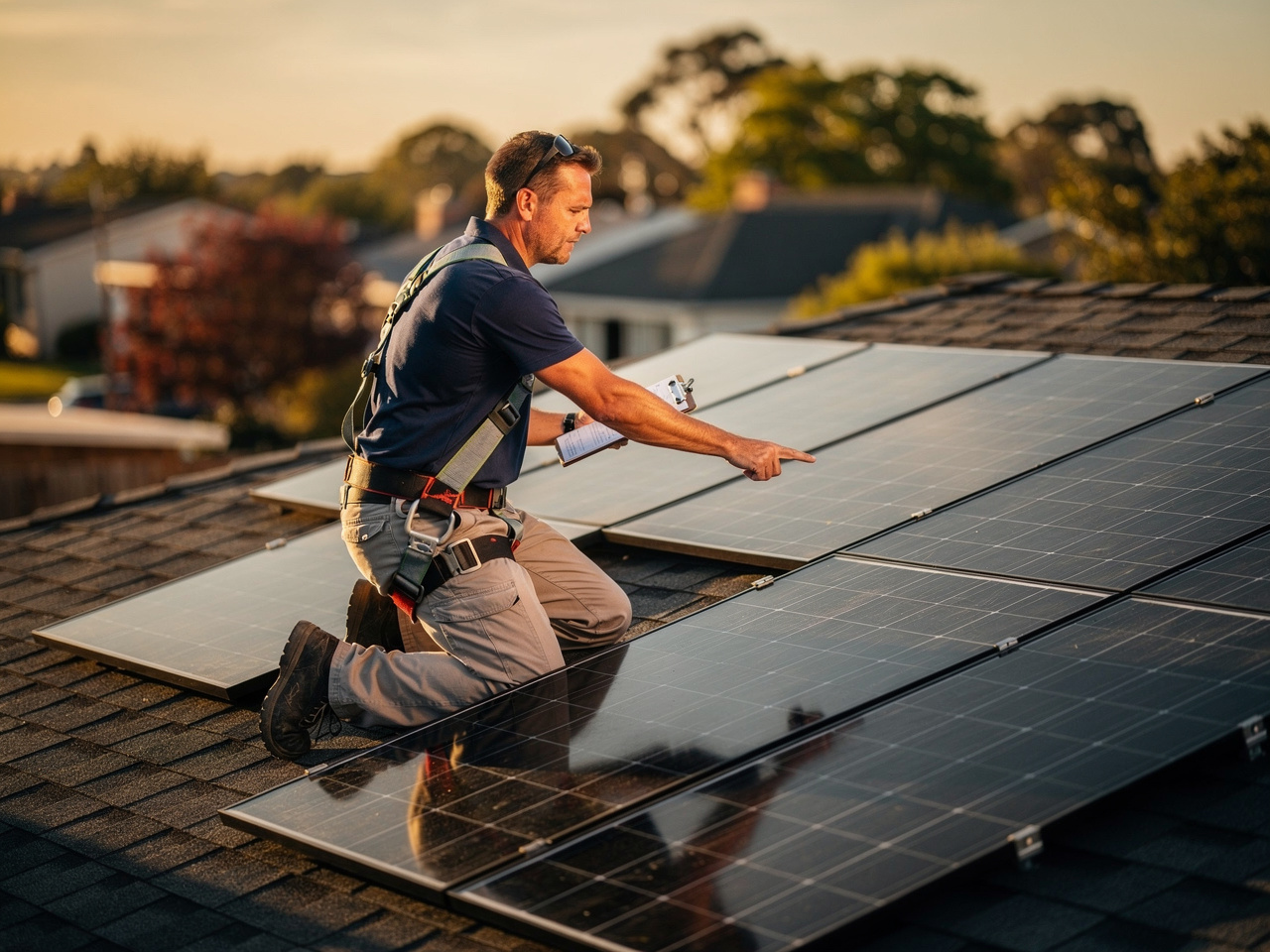
Free Inspection
We assess your system, identify issues, and check overall performance.

Clear Recommendations
You get a simple action plan with clear next steps and no confusion.
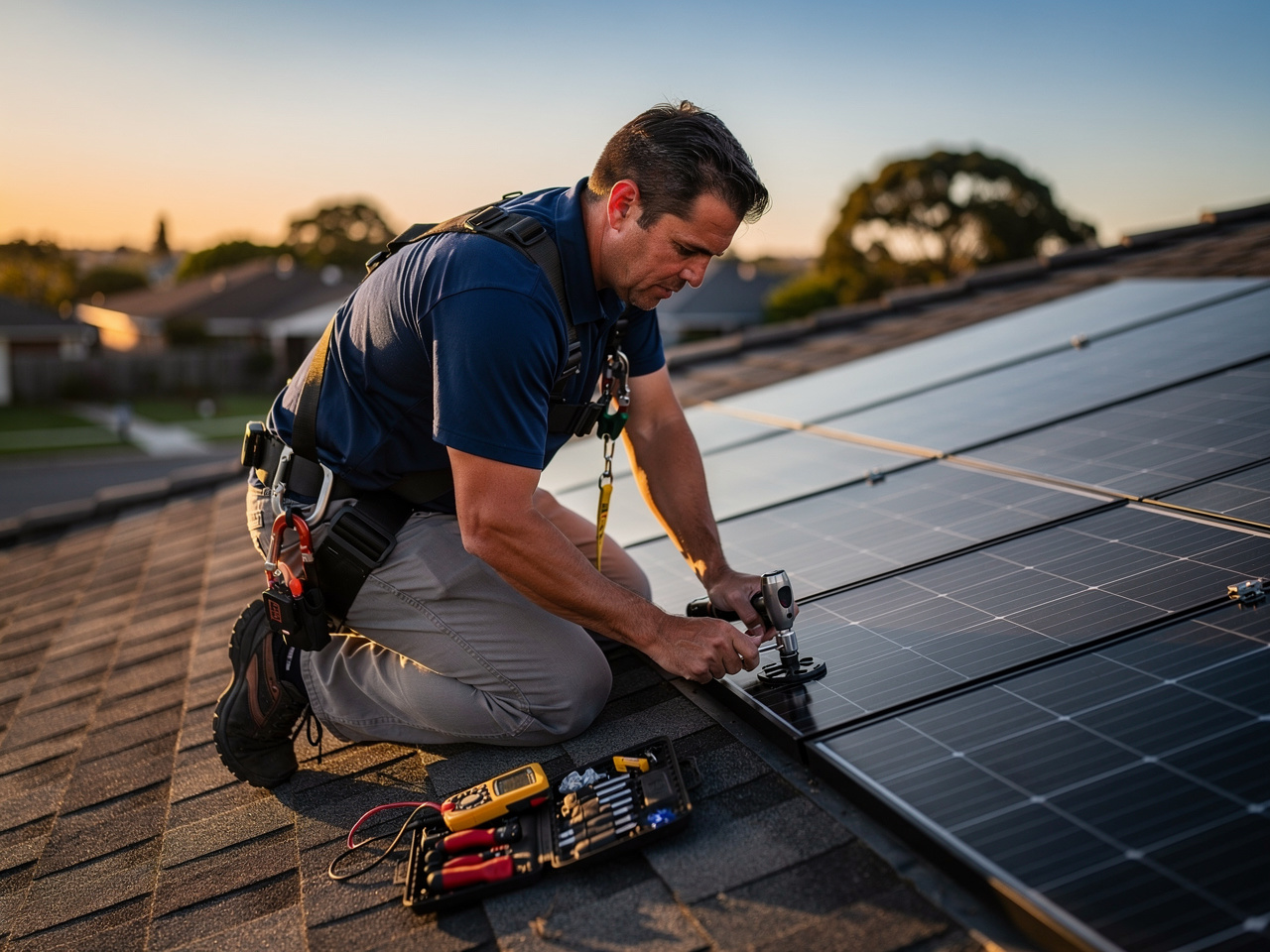
Expert Repair or Maintenance
Our technicians complete the work needed to restore and optimize your system.
Ongoing Performance
We help you keep everything running efficiently with continued support and monitoring options.
Common questions about solar service in Dunedin
Everything holding them up and connecting them. Module glass and anodized frames handle salt well, which is exactly why a coastal array can look immaculate while the rails, clamps, grounding lugs and connectors behind it degrade. The damage that matters most happens inside connector housings, where nothing is visible without disassembly.
Have the attachments and edge modules checked before June first. Fastener preload relaxes over time and uplift concentrates at the array perimeter, so a pre-season inspection is mostly about torque, flashing and decking condition. It is also far easier to schedule in spring than during the season itself.
It helps and it is not immunity. Stainless resists salt but still corrodes over years of direct marine exposure, and it can accelerate corrosion in the aluminum it is clamped to where the pairing was not isolated properly. What matters is the condition of each joint now, not the specification it was built to.
Duke is an investor-owned utility and credits exported energy at the retail rate, one kilowatt-hour against one. Florida is a regulated market, so the company comes with the address rather than being selected. Because the credit is full retail, a string quietly underproducing from a corroded connector costs you the full retail price of what it fails to make.
Rinsing glass helps with salt film and general soiling, and it is reasonable to do. Understand what it does not reach: the corrosion that ends coastal systems is inside connectors, under clamps and at grounding hardware, none of which a hose touches. Treat rinsing as maintenance for output, not as protection for the hardware.
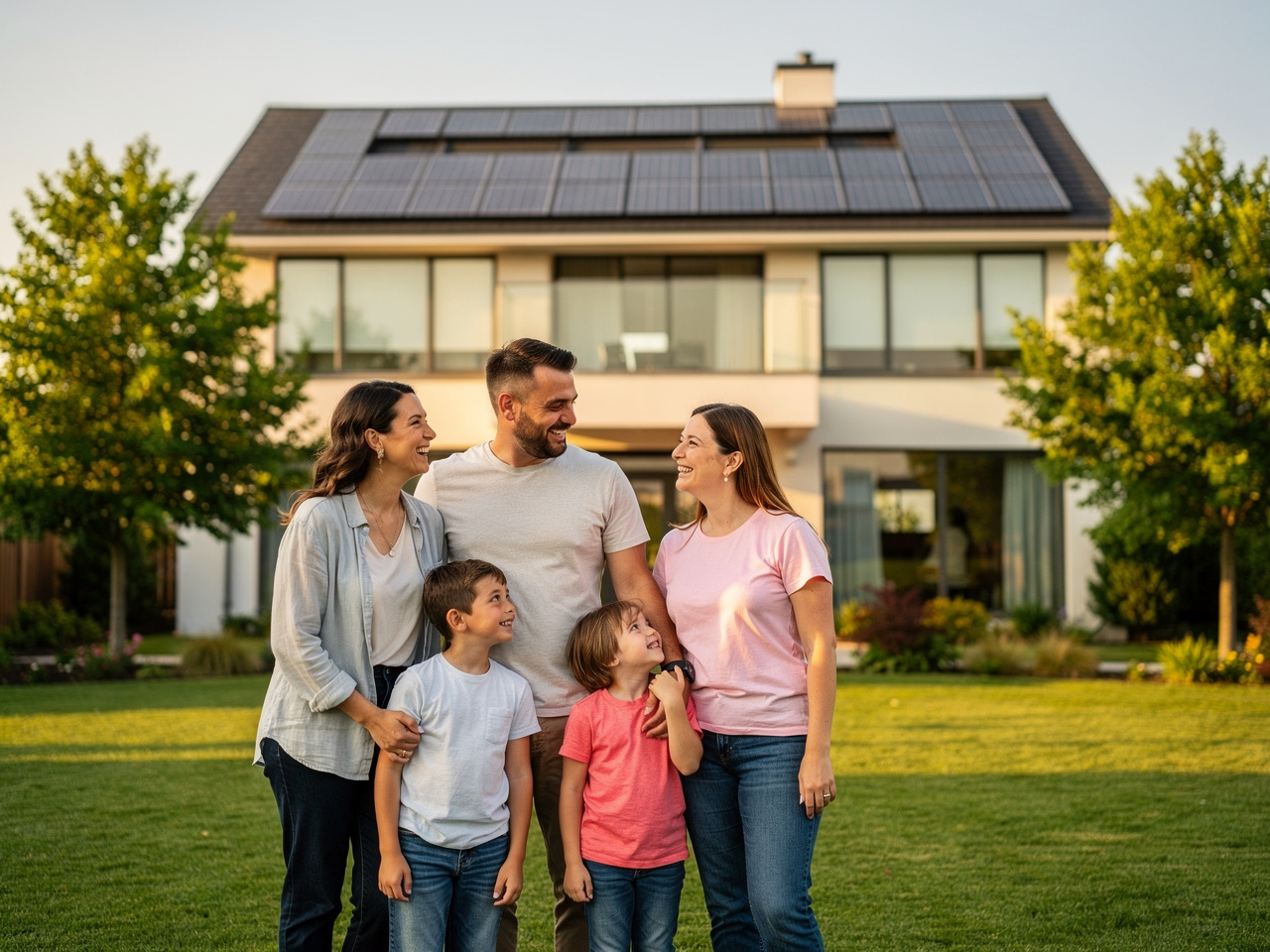
Get your solar system back to full performance
Don't let hidden issues cost you money. Let's fix it fast.
By submitting or calling, you consent to receive calls and SMS from The Light Group USA at the number provided, including via auto-dialer or pre-recorded messages. Consent is not required for purchase. Msg/data rates may apply. Reply STOP to opt out. See our Privacy Policy.
Solar Service & Repair near Dunedin
Crews based in Orlando and Tampa, covering 217 cities statewide.
Tampa Bay
- Apollo Beach
- Auburndale
- Bartow
- Bayonet Point
- Bayshore Gardens
- Bloomingdale
- Bradenton
- Brandon
- Carrollwood
- Citrus Park
- Clearwater
- Davenport
- Dunedin
- East Lake
- East Lake-Orient Park
- Egypt Lake-Leto
- Elfers
- Englewood
- Fish Hawk
- Four Corners
- Fruitville
- Gibsonton
- Haines City
- Holiday
- Jasmine Estates
- Keystone
- Lake Magdalene
- Lake Wales
- Lakeland
- Lakewood Ranch
- Land O' Lakes
- Largo
- Lealman
- Lutz
- New Port Richey
- North Port
- Northdale
- Palm Harbor
- Palm River-Clair Mel
- Palmer Ranch
- Pinellas Park
- Plant City
- Poinciana
- Riverview
- Ruskin
- Safety Harbor
- Sarasota
- Seminole
- South Bradenton
- South Venice
- St. Petersburg
- Sun City Center
- Tampa
- Tarpon Springs
- Temple Terrace
- Thonotosassa
- Town 'n' Country
- Trinity
- University
- Valrico
- Venice
- Wesley Chapel
- Westchase
- Wimauma
- Winter Haven
- Zephyrhills
We also cover Florida Panhandle, North Florida, Northeast Florida, Central Florida, Space Coast, Southwest Florida, Treasure Coast, South Florida. See every Florida city we service.