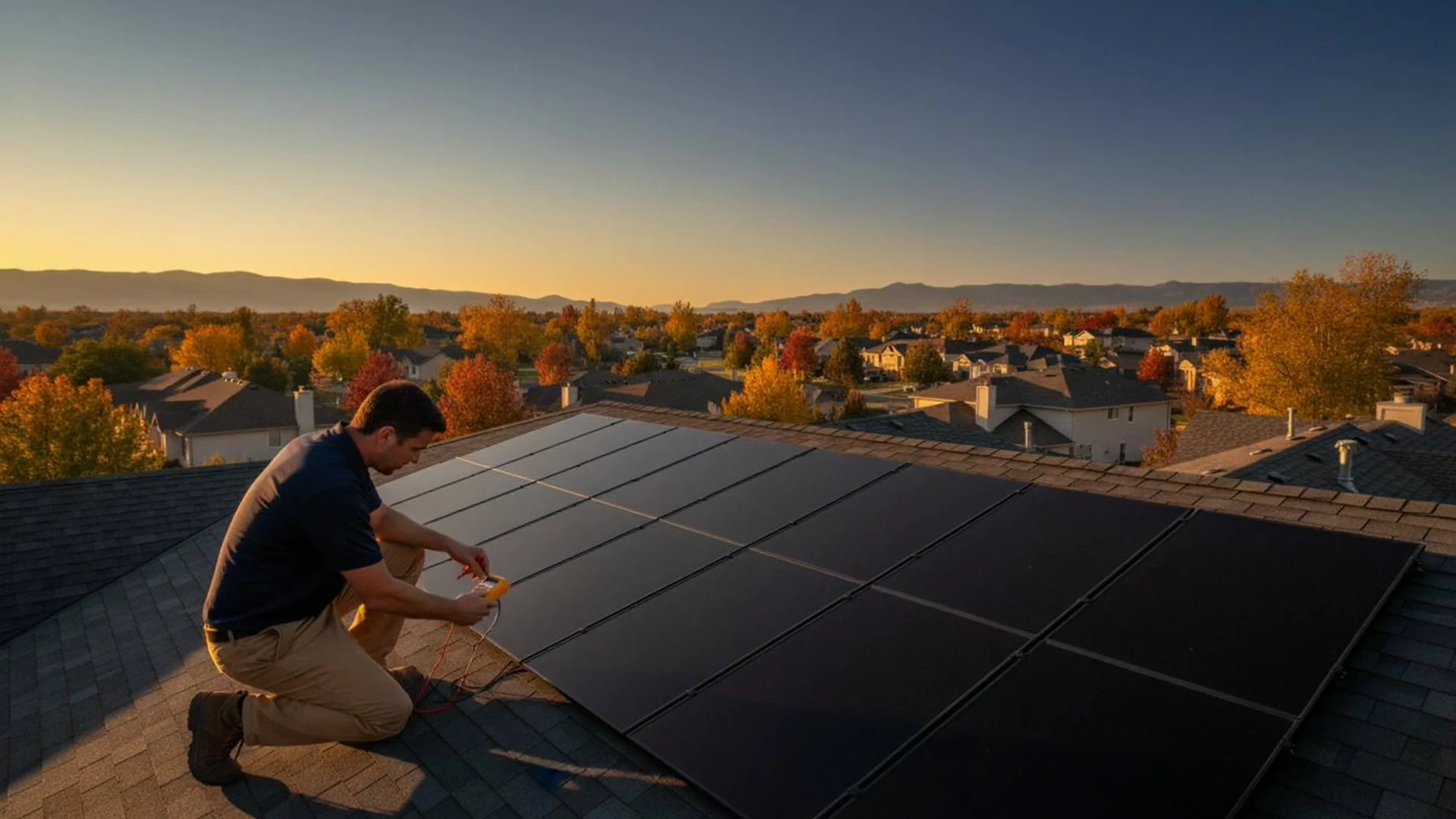
Solar Panel Repair & Maintenance in Fort Lauderdale, FL
America’s #1 Choice for Energy Independence
Crews in Orlando and Tampa covering Broward County. Free inspection, no obligation.
By submitting or calling, you consent to receive calls and SMS from The Light Group USA at the number provided, including via auto-dialer or pre-recorded messages. Consent is not required for purchase. Msg/data rates may apply. Reply STOP to opt out. See our Privacy Policy.
Solar service in Fort Lauderdale
On a Fort Lauderdale roof, the panels usually outlast the metal holding them up. Salt aerosol coming off the Atlantic settles on rails, bolts, grounding lugs and the housings of MC4 connectors, and it keeps working long after the surface looks clean. The damage happens inside the connector shell and under the lug, in places a walk-around from the driveway will never reveal. Glass ages slowly here. Hardware does not.
Distance from the sand is a poor guide to exposure in this city. Las Olas Boulevard runs from downtown straight to the beach, and the canal network branching off it carries marine air well past the first row of houses. A home several blocks inland with an open water view to the east can be in a harsher environment than one shielded behind buildings a block from the ocean. We grade exposure by sightline and prevailing wind, not by mileage.
Corrosion does not announce itself electrically until continuity is already compromised, and a green-crusted grounding lug still looks attached. That is why the useful work is measurement: resistance readings across the equipment grounding conductor, torque checks on the hardware, and pulling apart a sample of connectors to see the contact surfaces. We also check whether the original components were specified for a marine environment. On plenty of coastal installs they were not.
FPL serves every address in the city and credits exported energy at the retail rate, so what the array makes maps directly onto what the bill does not charge. Hurricane season runs June 1 through November 30, and that is also when weakened fasteners stop being cosmetic. A rail attachment that has lost section strength is a wind problem. Inspecting before June is worth considerably more than inspecting after a storm.
On a Fort Lauderdale system we look at these
We keep your solar system running at peak performance
From expert repairs to proactive maintenance, our team helps keep your solar system efficient, protected, and hassle-free. Whether you need a quick fix or ongoing support, we make it easy to restore performance and prevent future issues.

Simple, stress-free service process
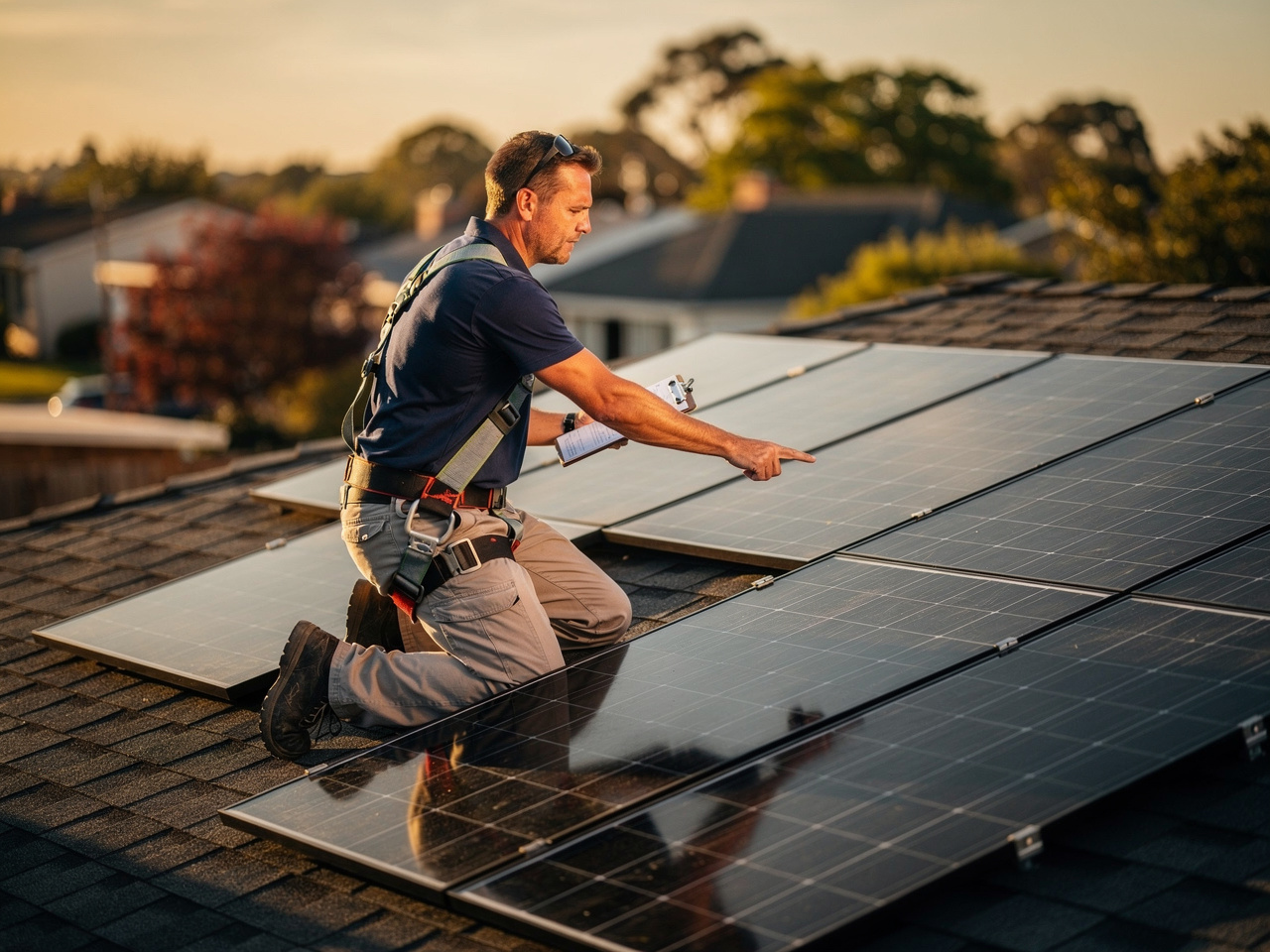
Free Inspection
We assess your system, identify issues, and check overall performance.

Clear Recommendations
You get a simple action plan with clear next steps and no confusion.
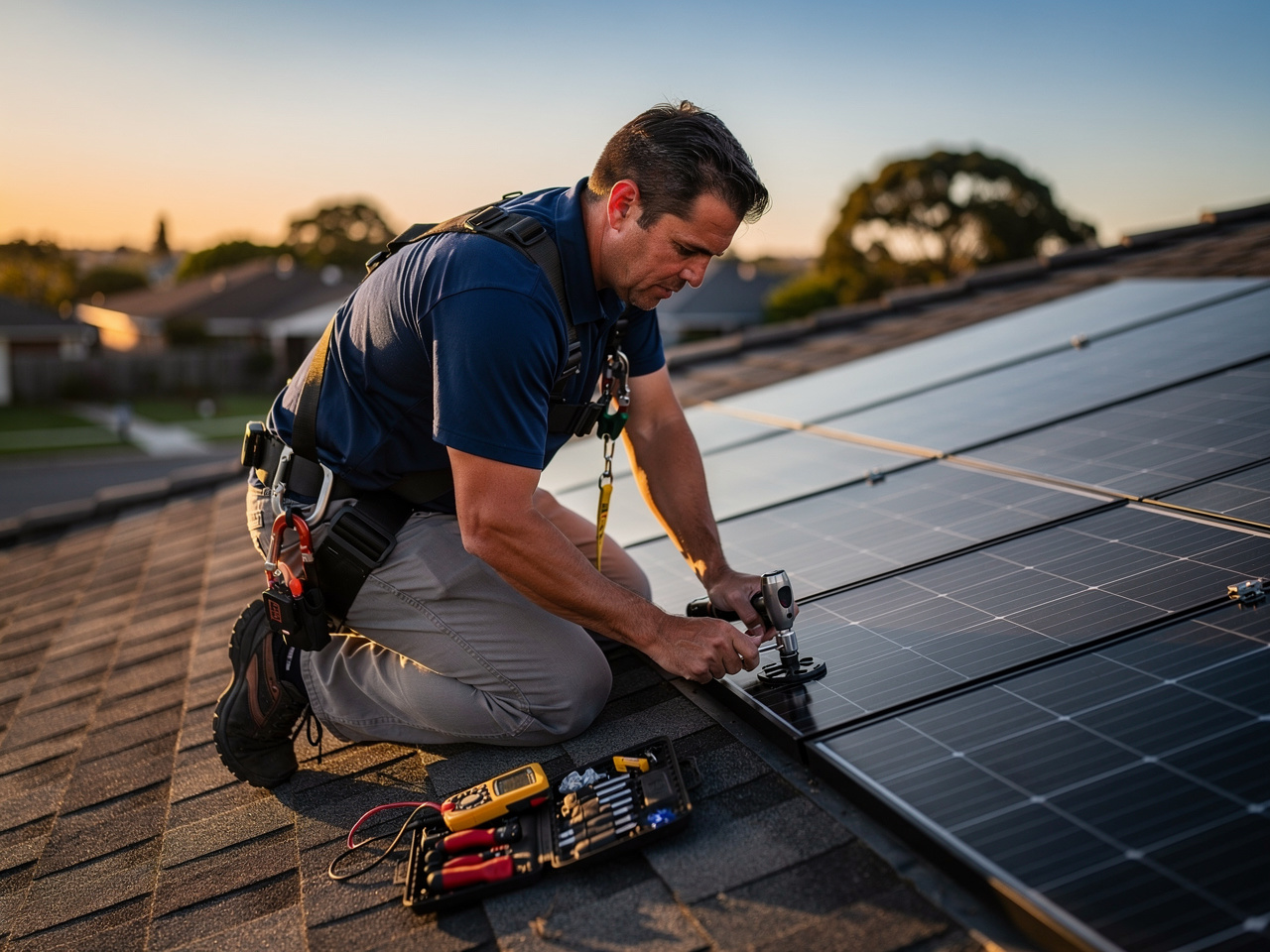
Expert Repair or Maintenance
Our technicians complete the work needed to restore and optimize your system.
Ongoing Performance
We help you keep everything running efficiently with continued support and monitoring options.
Common questions about solar service in Fort Lauderdale
The modules are usually the healthiest part of a coastal system. What degrades first is the metal around them: rail hardware, clamps, grounding lugs and the metal contacts inside MC4 connectors. All of that corrodes inside housings and under clamped surfaces, so a system can look immaculate from the driveway while a connection is quietly heating up.
More often, and the difference is not small. Salt exposure is continuous rather than seasonal, so hardware here ages on a faster clock than the same hardware in western Broward. We set the interval from what we actually find on your first inspection, weighing your exposure to open water, the metals used originally, and how the enclosures have held up so far.
No. Removal means dismantling attachments and opening roof penetrations under time pressure, which usually creates more risk than it avoids. The productive version of storm prep is verifying that the array is properly attached to structure, that fasteners are torqued to spec, and that corroded hardware has been replaced before the season starts.
FPL credits exported energy at the retail rate, matched one for one against what you draw. Florida is a regulated market, so the utility is determined by your address rather than chosen. Because the credit is at retail rather than wholesale, production you lose to a corroded connection or an offline inverter costs you the full retail value of every kilowatt-hour.
Our installation teams are based in Orlando and Tampa and cover Fort Lauderdale from there. Work here is scheduled on planned routes rather than dispatched locally. For coastal systems that is worth knowing in advance, because the inspections that matter most are the ones done before hurricane season, when scheduling is easiest.
Get your solar system back to full performance
Don't let hidden issues cost you money. Let's fix it fast.
By submitting or calling, you consent to receive calls and SMS from The Light Group USA at the number provided, including via auto-dialer or pre-recorded messages. Consent is not required for purchase. Msg/data rates may apply. Reply STOP to opt out. See our Privacy Policy.
Solar Service & Repair near Fort Lauderdale
Crews based in Orlando and Tampa, covering 217 cities statewide.
South Florida
- Aventura
- Belle Glade
- Boca Raton
- Boynton Beach
- Coconut Creek
- Cooper City
- Coral Gables
- Coral Springs
- Cutler Bay
- Dania Beach
- Davie
- Deerfield Beach
- Delray Beach
- Doral
- Fort Lauderdale
- Greenacres
- Hallandale Beach
- Hialeah
- Hialeah Gardens
- Hollywood
- Homestead
- Jupiter
- Lake Worth Beach
- Lauderdale Lakes
- Lauderhill
- Margate
- Miami
- Miami Beach
- Miami Gardens
- Miami Lakes
- Miramar
- North Lauderdale
- North Miami
- North Miami Beach
- Oakland Park
- Opa-locka
- Palm Beach Gardens
- Palm Springs
- Palmetto Bay
- Parkland
- Pembroke Pines
- Pinecrest
- Plantation
- Pompano Beach
- Riviera Beach
- Royal Palm Beach
- Sunny Isles Beach
- Sunrise
- Sweetwater
- Tamarac
- Wellington
- West Palm Beach
- West Park
- Weston
We also cover Florida Panhandle, North Florida, Northeast Florida, Central Florida, Space Coast, Tampa Bay, Southwest Florida, Treasure Coast. See every Florida city we service.