Solar Panel Repair & Maintenance in Pompano Beach, FL
America’s #1 Choice for Energy Independence
Crews in Orlando and Tampa covering Broward County. Free inspection, no obligation.
By submitting or calling, you consent to receive calls and SMS from The Light Group USA at the number provided, including via auto-dialer or pre-recorded messages. Consent is not required for purchase. Msg/data rates may apply. Reply STOP to opt out. See our Privacy Policy.
Solar service in Pompano Beach
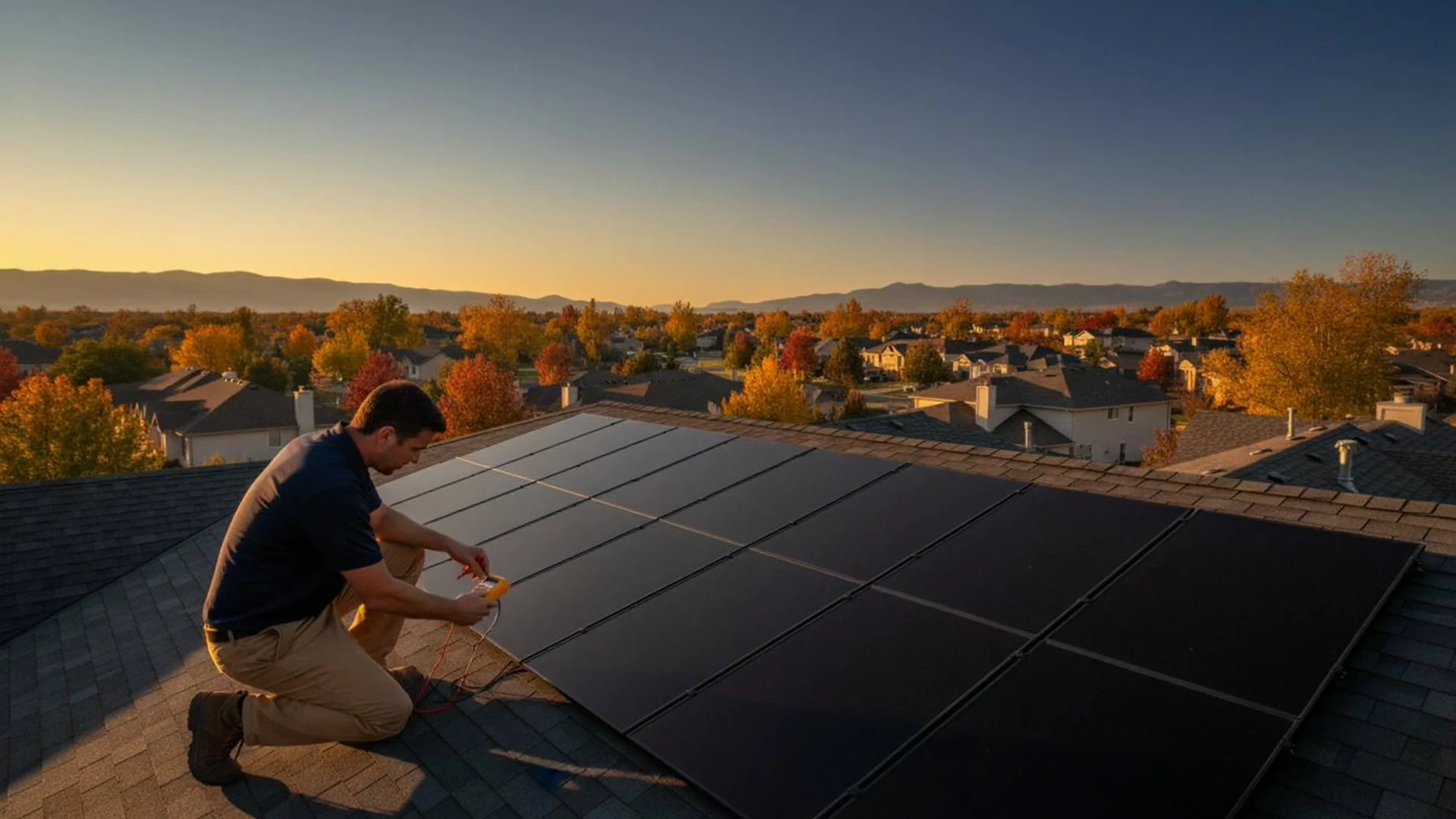
The part of a Pompano Beach solar system that most often needs attention is the part nobody photographs: the grounding and bonding path. An array is a large metal structure tied into the home's electrical service, and summer here brings thunderstorms most afternoons. On a coastal roof, the lugs, jumpers and washers that keep that path continuous are also the first components salt goes after. Continuity is easy to lose and easy to overlook.
Continuity is a measurement, not an observation. A bonding jumper that looks perfectly connected can read open once corrosion builds under the contact surface, and no amount of looking at it will tell you which. We take resistance readings from the array back to the equipment grounding conductor, torque-check the lugs, and look at whether dissimilar metals ended up in contact during installation, because aluminum against the wrong fastener corrodes with no help from the ocean.
The flat, open ground around Pompano Beach Airpark, home base of the Goodyear Blimp, is a fair picture of the wind conditions on this stretch of coast: very little upwind obstruction between the Atlantic and the roofs behind it. That matters twice over. It governs how hard the array gets pushed during hurricane season, June 1 through November 30, and how fast salt spray reaches hardware on the ocean-facing slope.
FPL serves every address in the city and credits exported energy at the retail rate, one kilowatt-hour against one, so an inverter knocked offline by a surge costs the full retail value of everything the roof does not make while it is down. We check whether surge protection was fitted at the service and at the inverter, since many arrays here were commissioned without it. Service runs from our Orlando and Tampa teams on scheduled routes.
On a Pompano Beach system we look at these
We keep your solar system running at peak performance
From expert repairs to proactive maintenance, our team helps keep your solar system efficient, protected, and hassle-free. Whether you need a quick fix or ongoing support, we make it easy to restore performance and prevent future issues.

Simple, stress-free service process
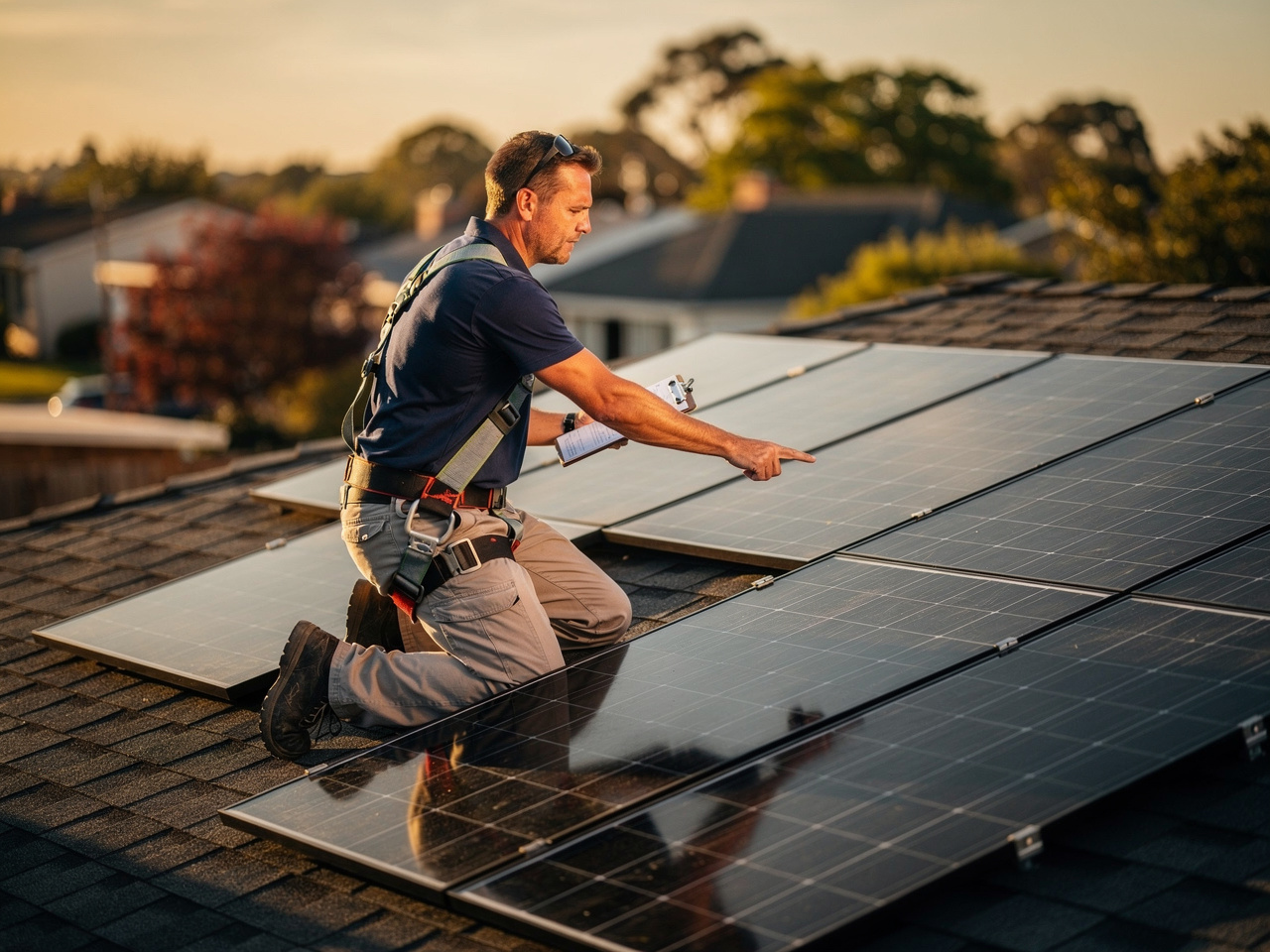
Free Inspection
We assess your system, identify issues, and check overall performance.

Clear Recommendations
You get a simple action plan with clear next steps and no confusion.
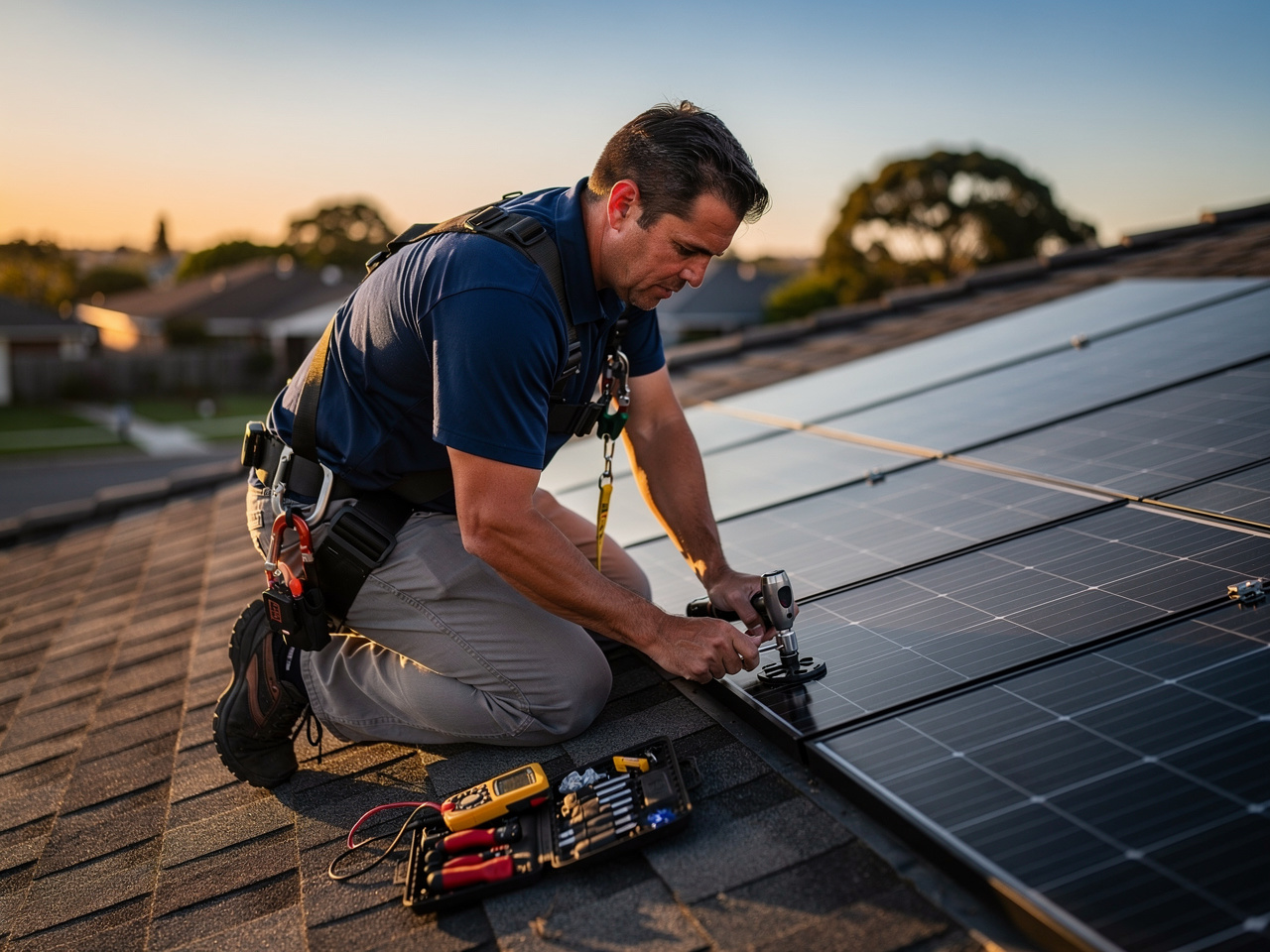
Expert Repair or Maintenance
Our technicians complete the work needed to restore and optimize your system.
Ongoing Performance
We help you keep everything running efficiently with continued support and monitoring options.
Common questions about solar service in Pompano Beach
A direct strike is uncommon, but it is not the usual mechanism. Far more often a nearby strike induces a voltage surge that travels the conductors and takes out the inverter or the module-level electronics. That is why surge protective devices at the service and at the inverter matter here, and why a properly continuous grounding path is not a formality.
It means current is finding a path it should not have, typically through damaged conductor insulation, water inside an enclosure or a corroded connection. It is a safety trip and should not be repeatedly reset without finding the cause. On a coastal roof the usual suspects are salt intrusion at a connector or a jacket that has been chafed or chewed.
Both, and the electrical side arrives first in importance. Salt corrodes the contact surfaces inside connectors and under grounding lugs, which raises resistance. Higher resistance means heat at that point, and heat accelerates the damage further. What starts as a discoloured lug ends as a ground fault, an arc fault or a connector that has melted its own housing.
It is usually worth pricing against what it protects. An inverter is the most expensive single component on most residential systems, and surge devices cost a fraction of one. We check first whether protection is already installed and whether it is still functional, since these devices are consumed by the events they absorb and are frequently spent without anyone noticing.
Our installation teams are based in Orlando and Tampa and cover Pompano Beach on scheduled routes, so work here is planned rather than same-day. For anything you suspect is a safety issue, a burning smell, visible arcing or water in an enclosure, shut the system down at the AC disconnect and call rather than waiting for the next route day.
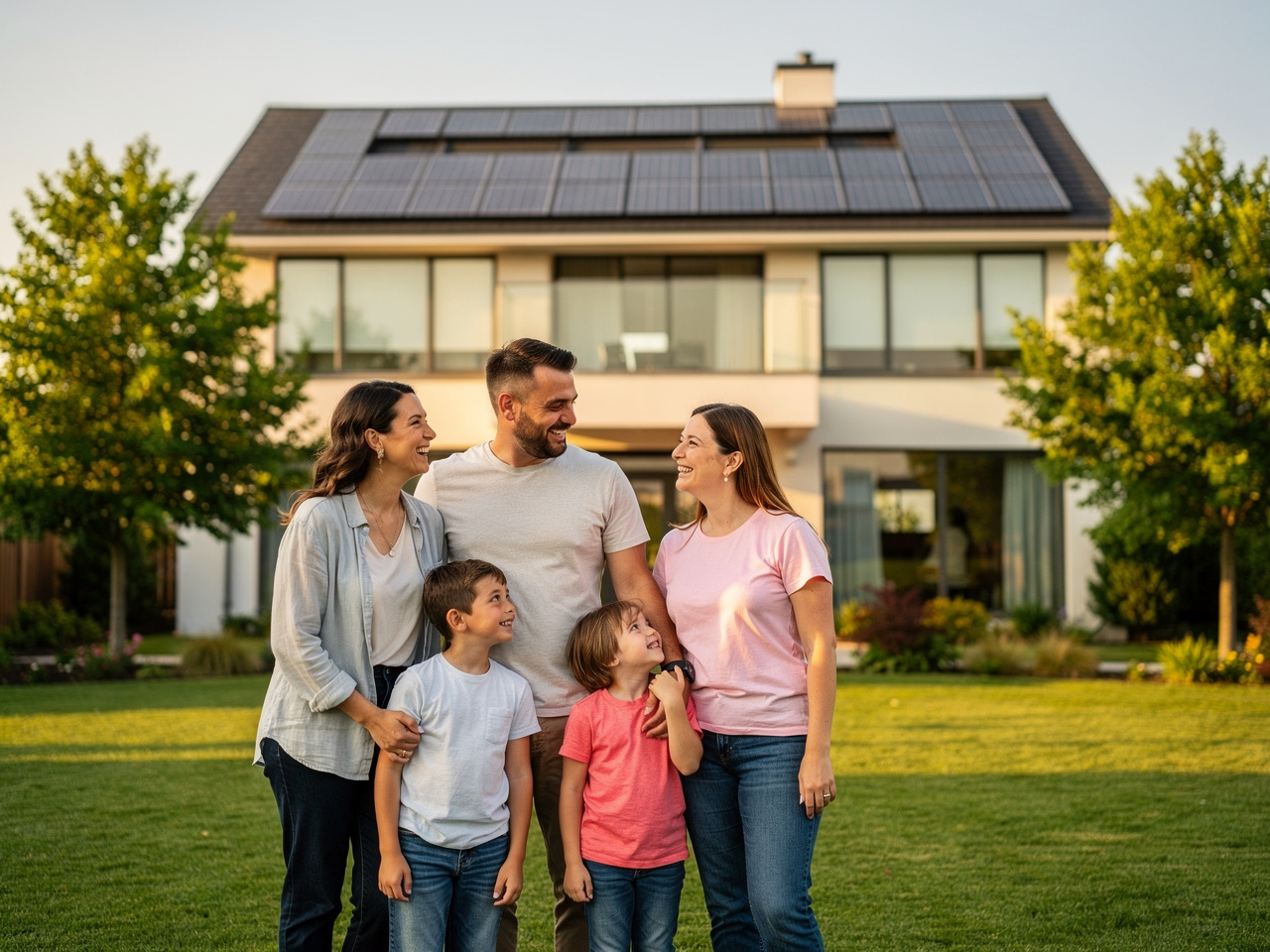
Get your solar system back to full performance
Don't let hidden issues cost you money. Let's fix it fast.
By submitting or calling, you consent to receive calls and SMS from The Light Group USA at the number provided, including via auto-dialer or pre-recorded messages. Consent is not required for purchase. Msg/data rates may apply. Reply STOP to opt out. See our Privacy Policy.
Solar Service & Repair near Pompano Beach
Crews based in Orlando and Tampa, covering 217 cities statewide.
South Florida
- Aventura
- Belle Glade
- Boca Raton
- Boynton Beach
- Coconut Creek
- Cooper City
- Coral Gables
- Coral Springs
- Cutler Bay
- Dania Beach
- Davie
- Deerfield Beach
- Delray Beach
- Doral
- Fort Lauderdale
- Greenacres
- Hallandale Beach
- Hialeah
- Hialeah Gardens
- Hollywood
- Homestead
- Jupiter
- Lake Worth Beach
- Lauderdale Lakes
- Lauderhill
- Margate
- Miami
- Miami Beach
- Miami Gardens
- Miami Lakes
- Miramar
- North Lauderdale
- North Miami
- North Miami Beach
- Oakland Park
- Opa-locka
- Palm Beach Gardens
- Palm Springs
- Palmetto Bay
- Parkland
- Pembroke Pines
- Pinecrest
- Plantation
- Pompano Beach
- Riviera Beach
- Royal Palm Beach
- Sunny Isles Beach
- Sunrise
- Sweetwater
- Tamarac
- Wellington
- West Palm Beach
- West Park
- Weston
We also cover Florida Panhandle, North Florida, Northeast Florida, Central Florida, Space Coast, Tampa Bay, Southwest Florida, Treasure Coast. See every Florida city we service.