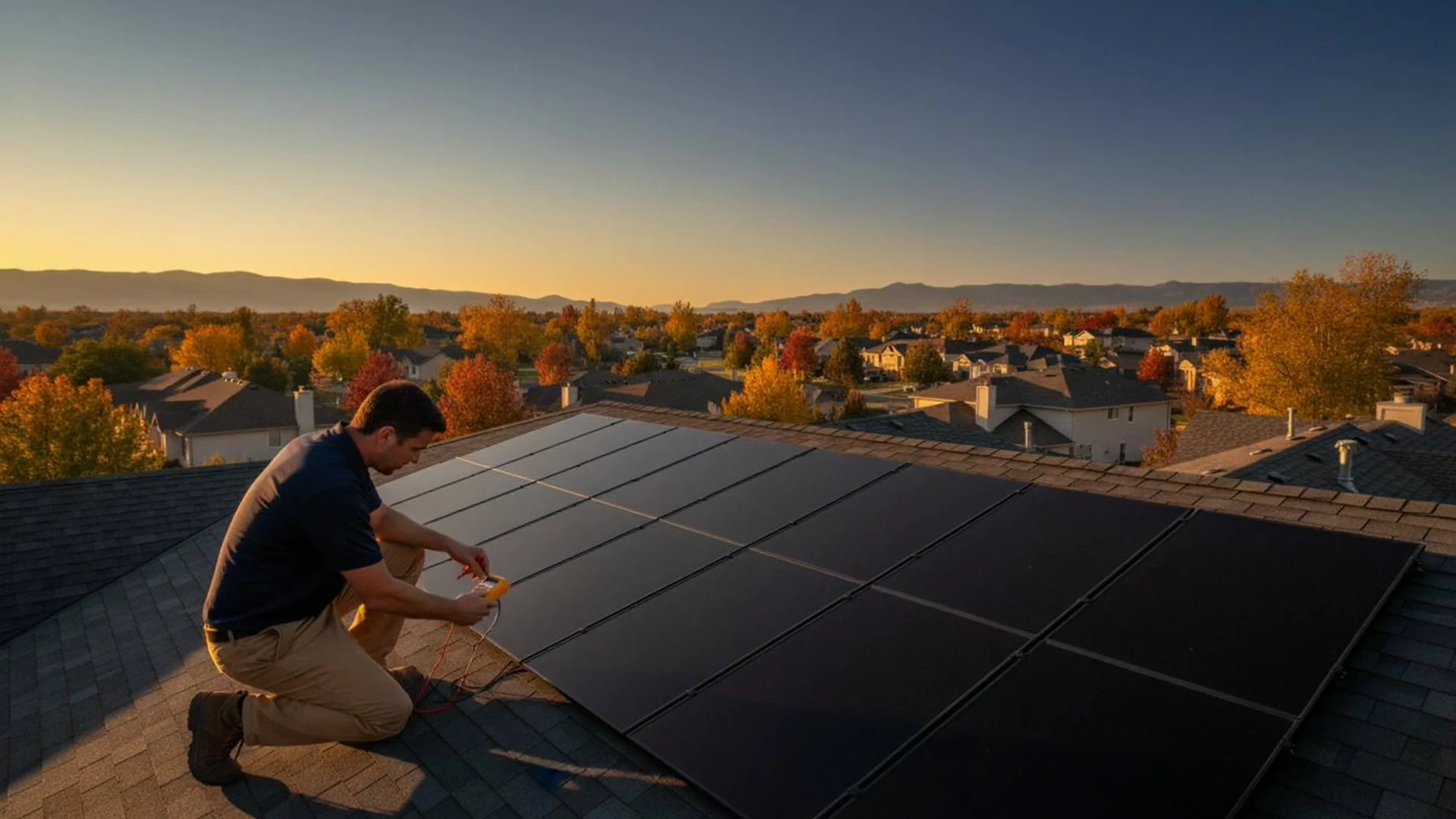
Solar Panel Repair & Maintenance in Miami, FL
America’s #1 Choice for Energy Independence
Crews in Orlando and Tampa covering Miami-Dade County. Free inspection, no obligation.
By submitting or calling, you consent to receive calls and SMS from The Light Group USA at the number provided, including via auto-dialer or pre-recorded messages. Consent is not required for purchase. Msg/data rates may apply. Reply STOP to opt out. See our Privacy Policy.
Solar service in Miami
Miami sits right on the water, and that changes what fails on a solar array. In 33125, 33133 and 33127 the panels themselves usually keep working long past the point where the hardware holding them up has started to give. Salt in the air reaches rails, bolts, grounding lugs and MC4 connectors first. By the time output drops enough to notice, the corrosion has usually been developing quietly for a couple of seasons.
The other Miami-specific factor is the roof deck itself. A flat or low-slope roof over a Little Havana bungalow behaves nothing like a tile roof in Coconut Grove, and ballasted racking on a townhouse near Wynwood has its own set of movement issues. We look at how the array is attached before we look at how it produces, because a mount that has worked loose in wind will keep producing normally right up until it doesn't.
Electric service across the city is FPL, which is investor-owned and regulated at the state level. That means exported energy is credited at the retail rate, one for one, and it also means you don't get to shop for a provider. Your address determines it. What you can influence is whether the system is actually exporting what it should be, and whether the meter and inverter are agreeing with each other month to month.
Our install crews work out of Orlando and Tampa. There is no Miami-based crew, and we would rather say that plainly than imply a truck is parked around the corner. Service to Miami-Dade is scheduled from those bases, which usually means grouping visits and giving you a real window instead of a vague one. Anything downtown near Brickell Avenue tends to need parking and building-access coordination worked out in advance.
On a Miami system we look at these
We keep your solar system running at peak performance
From expert repairs to proactive maintenance, our team helps keep your solar system efficient, protected, and hassle-free. Whether you need a quick fix or ongoing support, we make it easy to restore performance and prevent future issues.

Simple, stress-free service process
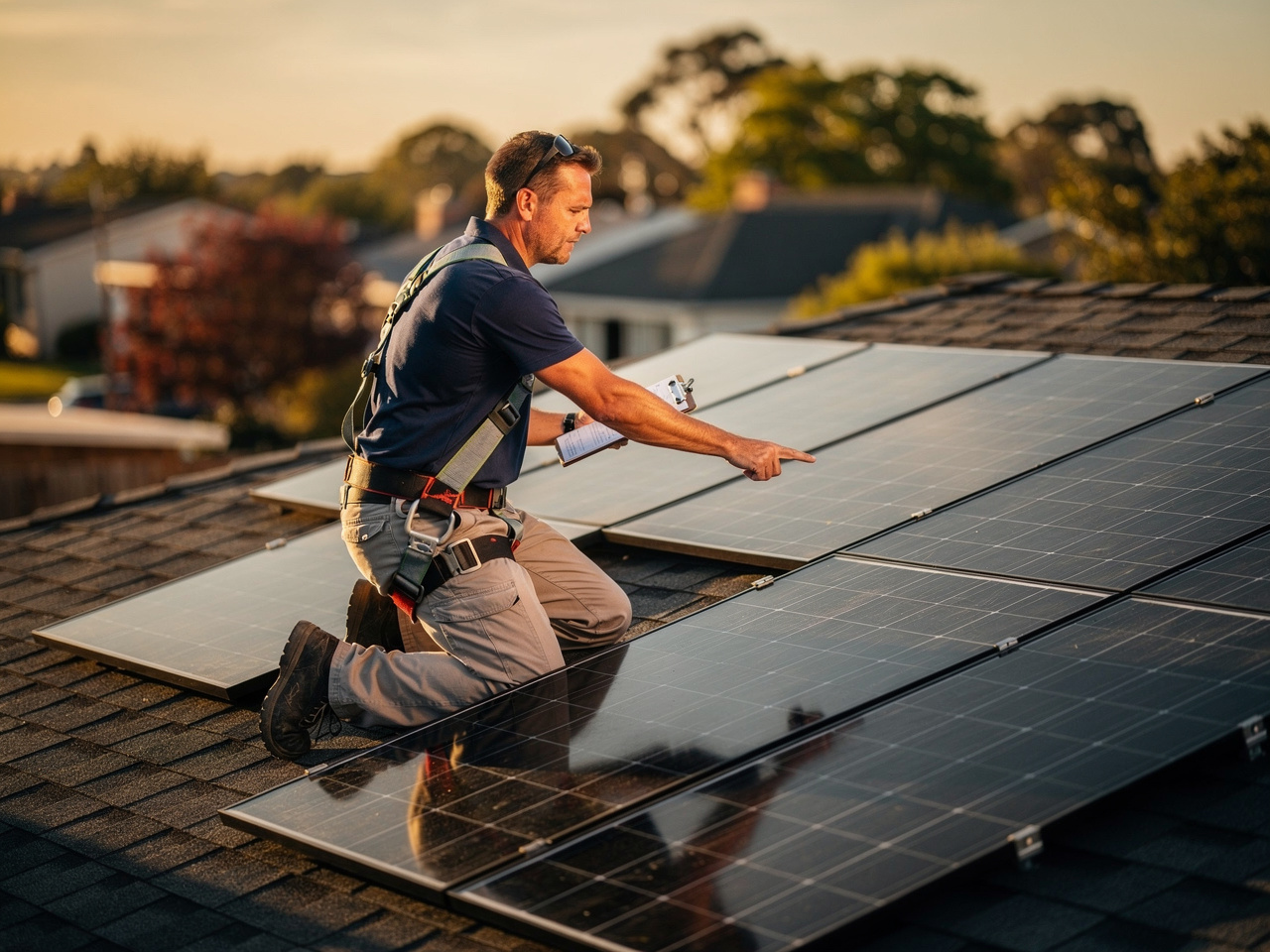
Free Inspection
We assess your system, identify issues, and check overall performance.

Clear Recommendations
You get a simple action plan with clear next steps and no confusion.
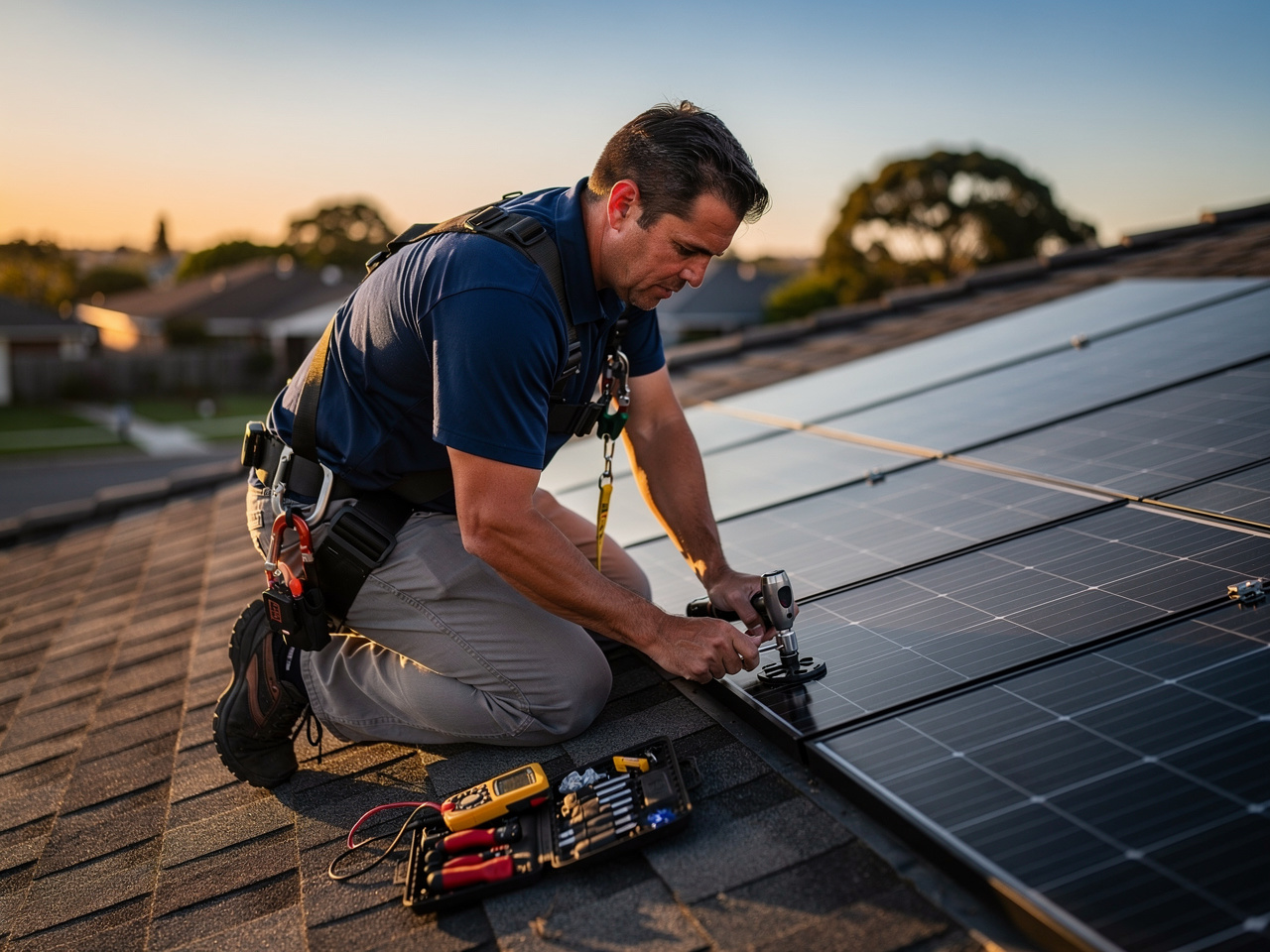
Expert Repair or Maintenance
Our technicians complete the work needed to restore and optimize your system.
Ongoing Performance
We help you keep everything running efficiently with continued support and monitoring options.
Common questions about solar service in Miami
No. Our installation teams operate out of Orlando and Tampa, and Miami-Dade is covered from there. We schedule visits in the area rather than dispatch same-day, so you get a confirmed window instead of a maybe. If you need something that day, we'll tell you upfront rather than leave you waiting.
No. Florida is a regulated market, so your utility is determined by your service address, not by choice. In Miami that's FPL. As an investor-owned utility, FPL credits exported energy at the retail rate on a one-to-one basis, which is favorable. What varies is whether your system is actually exporting properly.
Near the coast, the panels are rarely the problem. Salt attacks rails, bolts, grounding lugs and MC4 connectors first, and much of that corrosion happens inside connector housings where you can't see it. Resistance climbs gradually, production falls, and no error code appears. It only shows in the numbers.
Once a year is a reasonable baseline given the salt exposure, ideally scheduled before hurricane season starts on June 1. If your array is on a flat roof or uses ballasted racking, or if it's more than seven or eight years old, a second look after storm season is worth considering.
We service rooftop arrays on buildings where safe roof access can be arranged and the building or HOA authorizes the work. For anything in a tower near Brickell Avenue, freight elevator access, parking and building management approval need to be sorted before the visit. Tell us the building situation when you call.
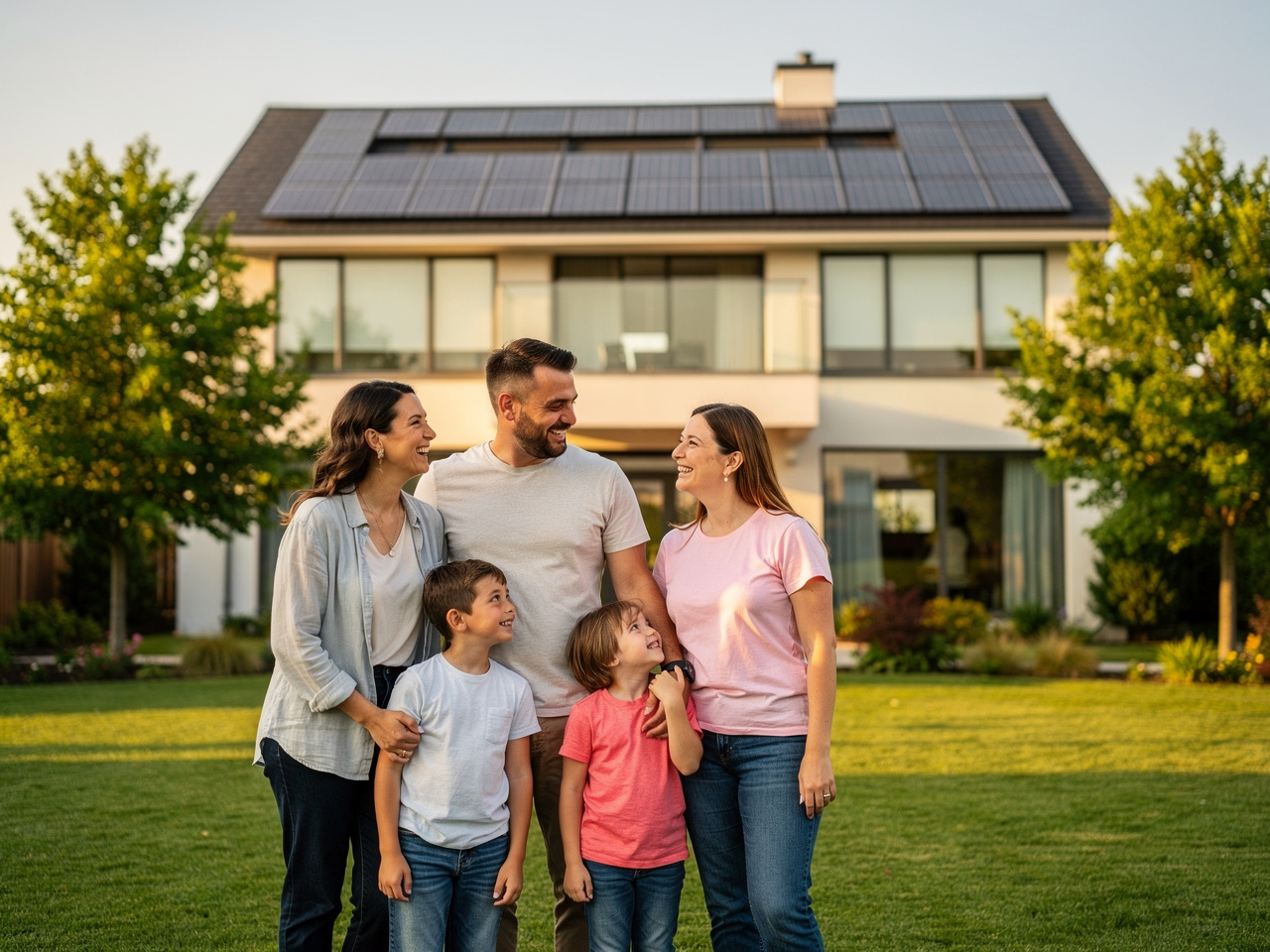
Get your solar system back to full performance
Don't let hidden issues cost you money. Let's fix it fast.
By submitting or calling, you consent to receive calls and SMS from The Light Group USA at the number provided, including via auto-dialer or pre-recorded messages. Consent is not required for purchase. Msg/data rates may apply. Reply STOP to opt out. See our Privacy Policy.
Solar Service & Repair near Miami
Crews based in Orlando and Tampa, covering 217 cities statewide.
South Florida
- Aventura
- Belle Glade
- Boca Raton
- Boynton Beach
- Coconut Creek
- Cooper City
- Coral Gables
- Coral Springs
- Cutler Bay
- Dania Beach
- Davie
- Deerfield Beach
- Delray Beach
- Doral
- Fort Lauderdale
- Greenacres
- Hallandale Beach
- Hialeah
- Hialeah Gardens
- Hollywood
- Homestead
- Jupiter
- Lake Worth Beach
- Lauderdale Lakes
- Lauderhill
- Margate
- Miami
- Miami Beach
- Miami Gardens
- Miami Lakes
- Miramar
- North Lauderdale
- North Miami
- North Miami Beach
- Oakland Park
- Opa-locka
- Palm Beach Gardens
- Palm Springs
- Palmetto Bay
- Parkland
- Pembroke Pines
- Pinecrest
- Plantation
- Pompano Beach
- Riviera Beach
- Royal Palm Beach
- Sunny Isles Beach
- Sunrise
- Sweetwater
- Tamarac
- Wellington
- West Palm Beach
- West Park
- Weston
We also cover Florida Panhandle, North Florida, Northeast Florida, Central Florida, Space Coast, Tampa Bay, Southwest Florida, Treasure Coast. See every Florida city we service.