Solar Panel Repair & Maintenance in Lauderhill, FL
America’s #1 Choice for Energy Independence
Crews in Orlando and Tampa covering Broward County. Free inspection, no obligation.
By submitting or calling, you consent to receive calls and SMS from The Light Group USA at the number provided, including via auto-dialer or pre-recorded messages. Consent is not required for purchase. Msg/data rates may apply. Reply STOP to opt out. See our Privacy Policy.
Solar service in Lauderhill
The most common call from an inland Broward address is not "my system is off." It is "my bill went up and the app still shows green." At roughly five miles from the water, Lauderhill sits outside the zone where salt drives failures. Inland systems tend to lose output the slow way instead, through causes that produce no error code, no alarm and no red banner on the monitoring portal.
Two causes dominate. The first is heat. Module output falls as cell temperature rises, and a roof in 33313, 33319 or 33311 spends most of the year far above the twenty-five degrees Celsius at which panels are rated. The second is soiling: pollen, road film off Oakland Park Boulevard traffic, and dust that settles between rains and bakes into a haze across the glass.
The Inverrary area adds a third factor: canopy. Mature landscaping around those streets throws shade that migrates year over year as trees grow, and a branch that cleared the array in one season can clip a corner at four in the afternoon two seasons later. Shade on a single cell string pulls down more production than its footprint suggests, depending on how the system was wired.
All of it lands on an FPL bill. Because exports are credited one to one at the retail rate, a system quietly running eight percent under its own baseline is not an abstraction; it shows up in dollars every cycle. The useful work is establishing what this array should be producing for this pitch, this orientation and this season, then finding out where the gap actually comes from.
On a Lauderhill system we look at these
We keep your solar system running at peak performance
From expert repairs to proactive maintenance, our team helps keep your solar system efficient, protected, and hassle-free. Whether you need a quick fix or ongoing support, we make it easy to restore performance and prevent future issues.

Simple, stress-free service process
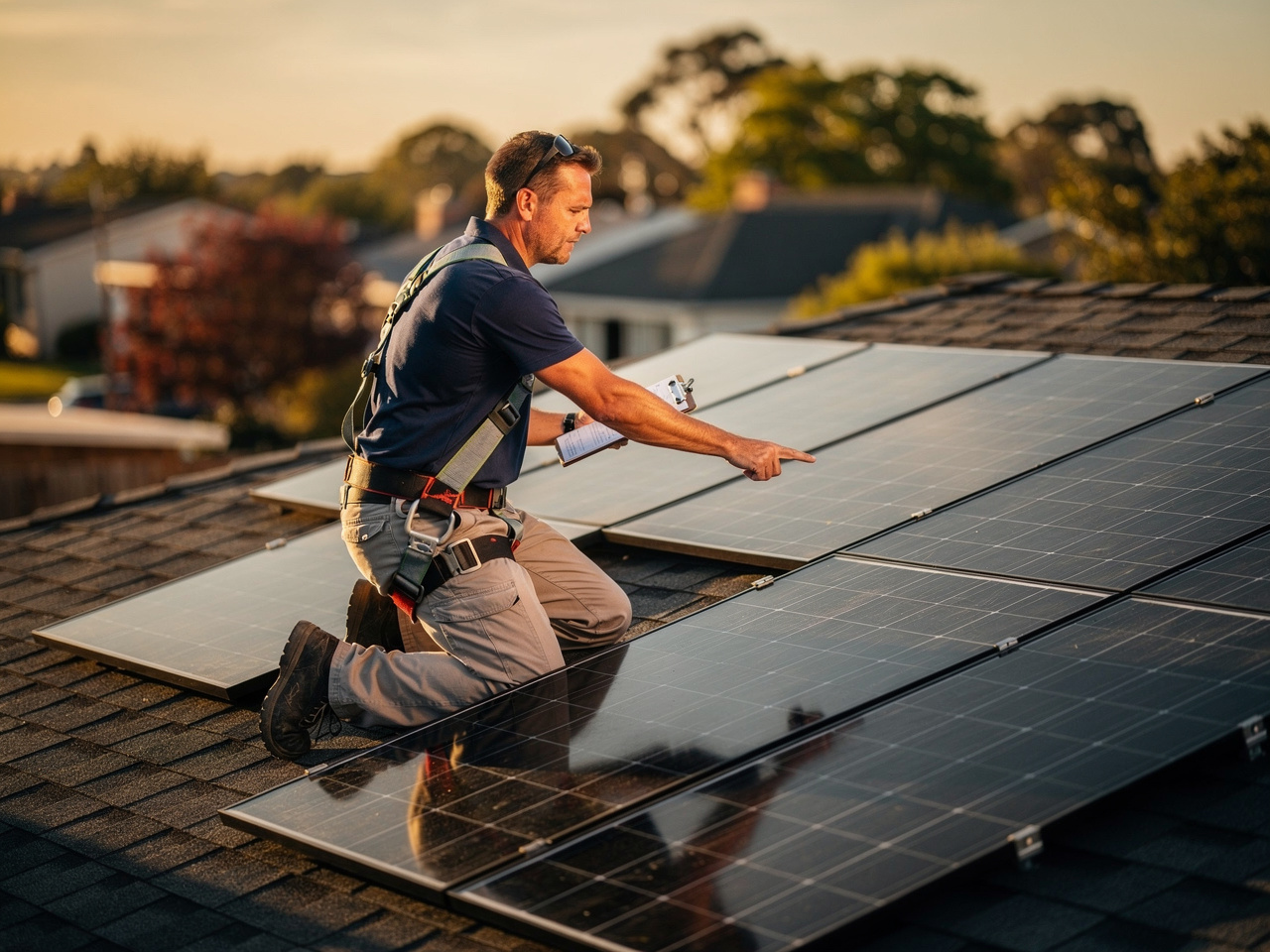
Free Inspection
We assess your system, identify issues, and check overall performance.

Clear Recommendations
You get a simple action plan with clear next steps and no confusion.
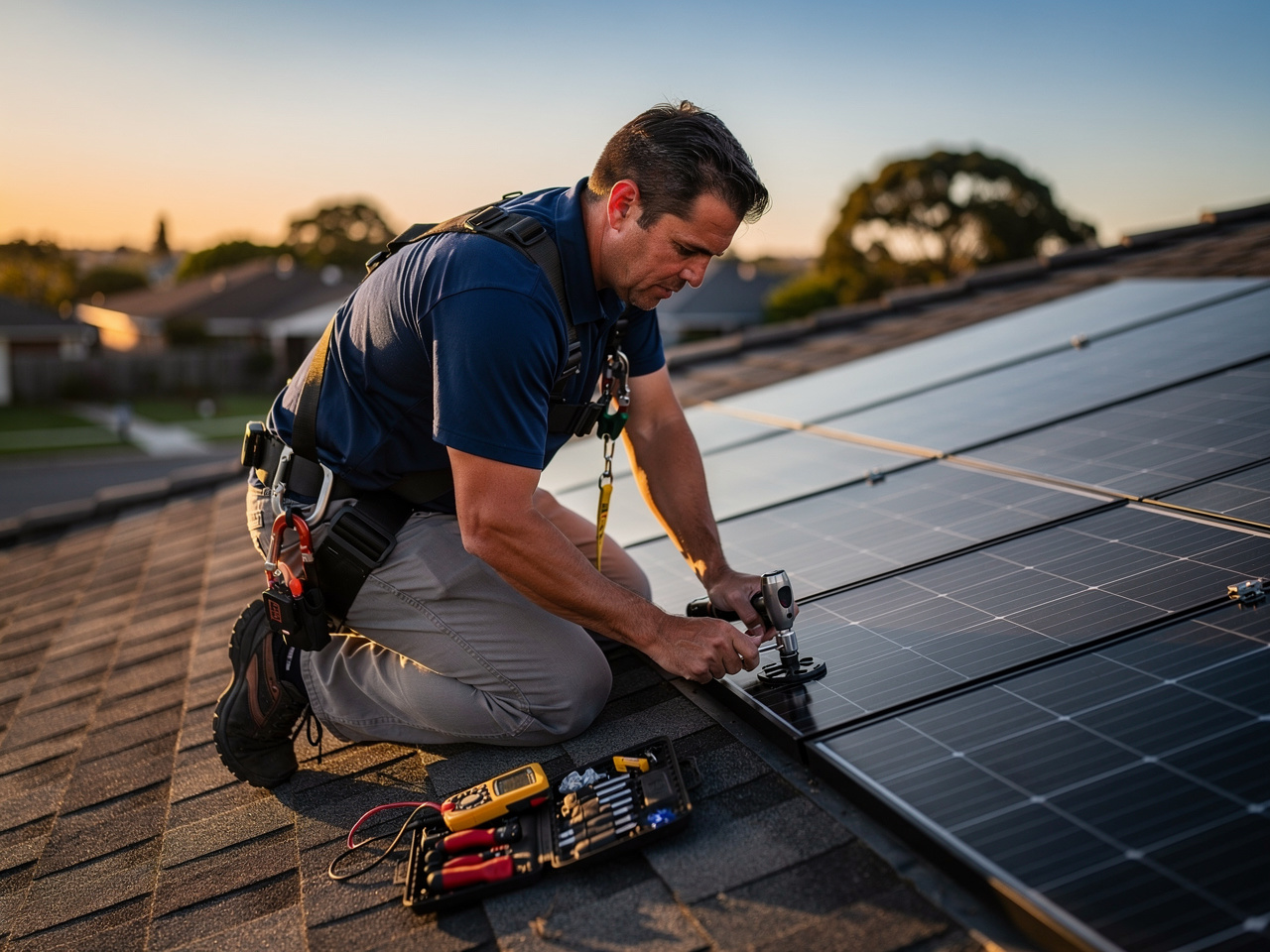
Expert Repair or Maintenance
Our technicians complete the work needed to restore and optimize your system.
Ongoing Performance
We help you keep everything running efficiently with continued support and monitoring options.
Common questions about solar service in Lauderhill
Because monitoring reports faults, not efficiency. Heat derate, a hazed panel, a branch that now clips the corner at four in the afternoon and a slightly loose lug all reduce output while the system reports normal operation. The bill notices before the app does. Diagnosing it means comparing actual production against what the array should be making.
Rain handles loose dust. It does not handle pollen film, road grime or mineral deposits that have dried onto the glass over a long dry stretch. Whether a cleaning pays for itself depends on how much haze is actually there, which is why we assess the glass before recommending it rather than selling washes on a schedule.
It can matter more than homeowners expect. Depending on how the array is wired, shade across part of one string can reduce output well beyond the shaded area. We map the shade through the day and check whether the system has module-level electronics that limit the spread, then tell you whether trimming is worth it.
Yes. FPL is investor-owned and credits exported kilowatt-hours at the retail rate, one to one. Your provider is fixed by your address under Florida's regulated market. The practical consequence is that recovered production has full retail value, which is what makes chasing a quiet eight percent loss worth the service call.
No. Our teams operate out of Orlando and Tampa and cover the rest of Florida from those two bases. For a Broward visit we plan the trip as one complete session, including the shade survey, the electrical checks and the roof inspection, rather than splitting it across separate short appointments.
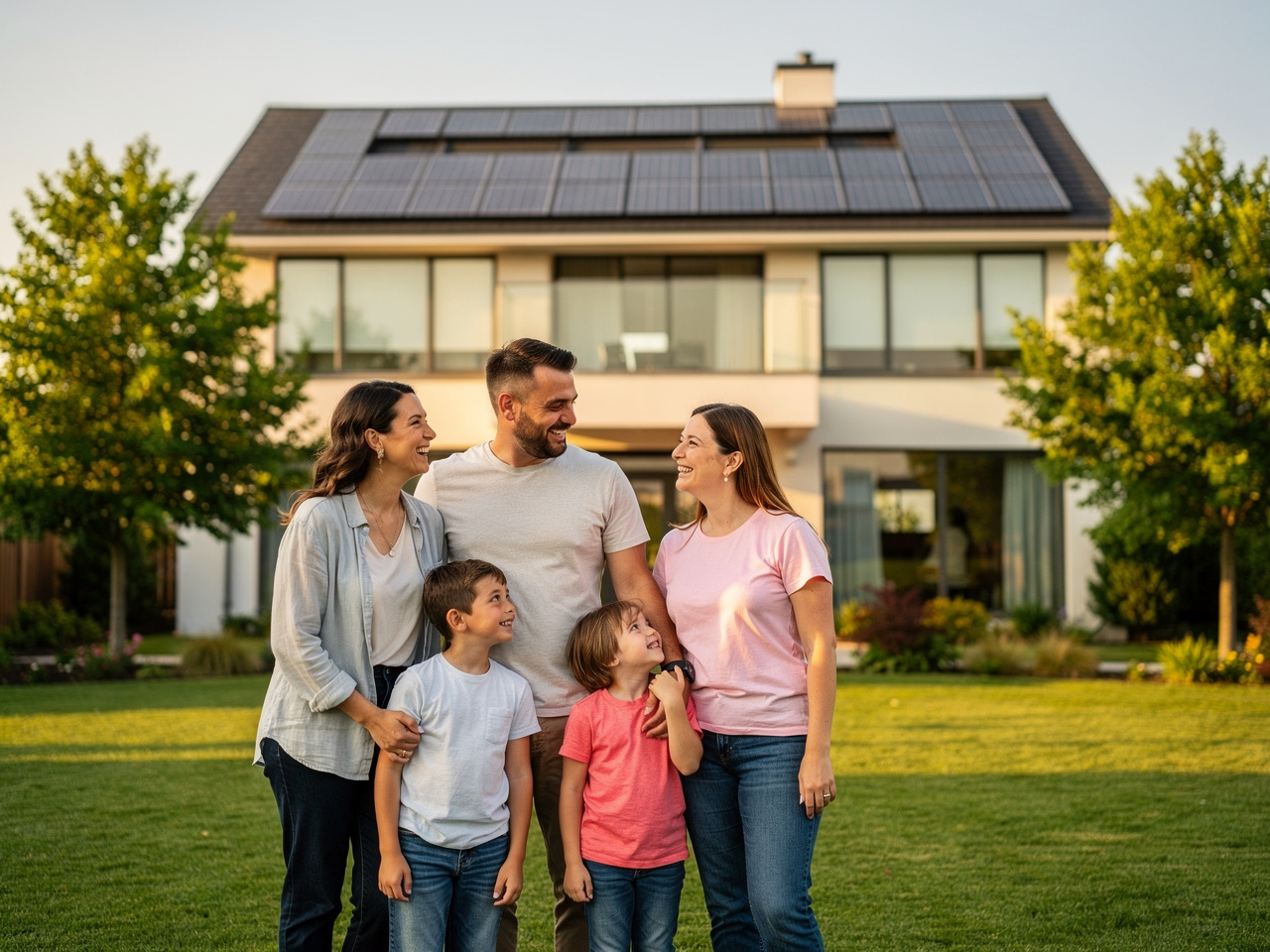
Get your solar system back to full performance
Don't let hidden issues cost you money. Let's fix it fast.
By submitting or calling, you consent to receive calls and SMS from The Light Group USA at the number provided, including via auto-dialer or pre-recorded messages. Consent is not required for purchase. Msg/data rates may apply. Reply STOP to opt out. See our Privacy Policy.
Solar Service & Repair near Lauderhill
Crews based in Orlando and Tampa, covering 217 cities statewide.
South Florida
- Aventura
- Belle Glade
- Boca Raton
- Boynton Beach
- Coconut Creek
- Cooper City
- Coral Gables
- Coral Springs
- Cutler Bay
- Dania Beach
- Davie
- Deerfield Beach
- Delray Beach
- Doral
- Fort Lauderdale
- Greenacres
- Hallandale Beach
- Hialeah
- Hialeah Gardens
- Hollywood
- Homestead
- Jupiter
- Lake Worth Beach
- Lauderdale Lakes
- Lauderhill
- Margate
- Miami
- Miami Beach
- Miami Gardens
- Miami Lakes
- Miramar
- North Lauderdale
- North Miami
- North Miami Beach
- Oakland Park
- Opa-locka
- Palm Beach Gardens
- Palm Springs
- Palmetto Bay
- Parkland
- Pembroke Pines
- Pinecrest
- Plantation
- Pompano Beach
- Riviera Beach
- Royal Palm Beach
- Sunny Isles Beach
- Sunrise
- Sweetwater
- Tamarac
- Wellington
- West Palm Beach
- West Park
- Weston
We also cover Florida Panhandle, North Florida, Northeast Florida, Central Florida, Space Coast, Tampa Bay, Southwest Florida, Treasure Coast. See every Florida city we service.