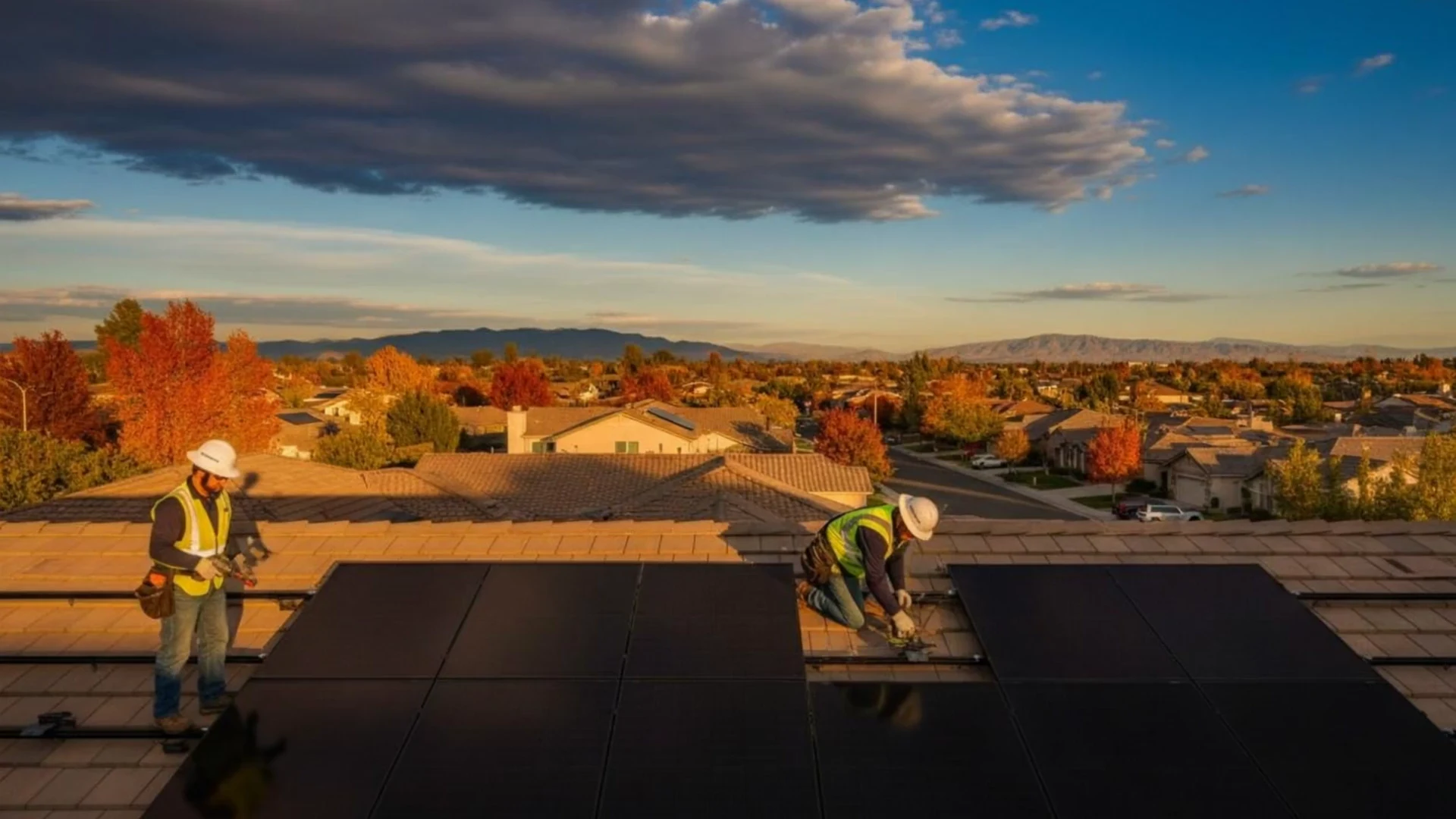
Solar Panel Removal & Reinstallation in Auburndale, FL
America’s #1 Choice for Energy Independence
We handle removal, storage, and reinstallation — coordinating with your roofer so your project runs smoothly from start to finish.
By submitting or calling, you consent to receive calls and SMS from The Light Group USA at the number provided, including via auto-dialer or pre-recorded messages. Consent is not required for purchase. Msg/data rates may apply. Reply STOP to opt out. See our Privacy Policy.

Protect your roof and your solar investment
Let professionals handle your solar panel removal the right way.
By submitting or calling, you consent to receive calls and SMS from The Light Group USA at the number provided, including via auto-dialer or pre-recorded messages. Consent is not required for purchase. Msg/data rates may apply. Reply STOP to opt out. See our Privacy Policy.
Panel removal and reinstall in Auburndale
Most panel removal calls in Auburndale start with a roofer, not with a solar problem. A homeowner off US 92 near Lake Ariana books a re-roof, and the estimator explains that the array has to come off before the shingles do. The roofing company does not touch photovoltaics. The company that installed the array a decade ago may not answer its phone anymore. That gap between two trades is the actual job.
Removal and reinstallation is one project split across two visits with a roof in between. The array comes down, every module and every conductor run gets labeled, and the equipment waits out of the weather while the roofing crew strips and re-covers the deck. Depending on the size of the roof and how the rain behaves, that gap runs days or weeks. It is planned work, booked on a calendar, never an emergency.
Auburndale sits inland, so nothing here is fighting salt. What the mounting system fights is heat, grit and pollen, plus the lightning that Central Florida gets more of than anywhere else in the country. With the array on the ground, the parts nobody ever sees finally get looked at: grounding lugs, bonding hardware, flashings that were seated wrong the first time, and connectors that have been cooking under glass for years.
Electric service here is Tampa Electric, although the western edge of town can fall inside Lakeland Electric territory, and a boundary swap between the two was in progress in 2026. Which utility serves your meter changes the interconnection paperwork once the system goes back up. That gets read off the meter and the bill instead of guessed, along with whether the permit is a City of Auburndale file or a Polk County one.
On a Auburndale removal we get these right
Common questions about solar service in Auburndale
Not on a full replacement. The deck under the array has to be stripped and re-covered like the rest of the roof, and most roofing companies in Polk County will not handle a live PV system because their insurance does not cover it. The array is removed as its own scope of work, then reinstalled after the new roof is finished.
Days to a few weeks, driven by the roofing schedule and the weather rather than by the solar work. The system produces nothing in that window, so the bill goes back to full retail usage from Tampa Electric. The reinstall gets booked against the roofer's completion date instead of a guess at one.
It depends on which layer failed, which is exactly why the split is agreed in writing before work starts. A leak at a new mounting penetration belongs to whoever made that penetration. A leak in the field of the shingle belongs to the roofer. Panel and inverter warranties are separate from both and stay with their manufacturers.
Yes, and orphaned systems are common. What is on the roof gets documented before anything is touched: module model and count, inverter or optimizer type, string layout, conductor sizes, plus photographs of the array as found. That record is what allows an exact rebuild, and it stays with you for the next contractor.
No. Crews work out of Orlando and Tampa and travel into Polk County on scheduled dates. Removal and reinstallation is planned work attached to a roofing calendar, so a booked window suits it. For anything that has to be handled the same afternoon, a local emergency service is the better call.
Other solar work we do here
Panel Removal & Reinstallation near Auburndale
Crews based in Orlando and Tampa, covering 217 cities statewide.
Tampa Bay
- Apollo Beach
- Auburndale
- Bartow
- Bayonet Point
- Bayshore Gardens
- Bloomingdale
- Bradenton
- Brandon
- Carrollwood
- Citrus Park
- Clearwater
- Davenport
- Dunedin
- East Lake
- East Lake-Orient Park
- Egypt Lake-Leto
- Elfers
- Englewood
- Fish Hawk
- Four Corners
- Fruitville
- Gibsonton
- Haines City
- Holiday
- Jasmine Estates
- Keystone
- Lake Magdalene
- Lake Wales
- Lakeland
- Lakewood Ranch
- Land O' Lakes
- Largo
- Lealman
- Lutz
- New Port Richey
- North Port
- Northdale
- Palm Harbor
- Palm River-Clair Mel
- Palmer Ranch
- Pinellas Park
- Plant City
- Poinciana
- Riverview
- Ruskin
- Safety Harbor
- Sarasota
- Seminole
- South Bradenton
- South Venice
- St. Petersburg
- Sun City Center
- Tampa
- Tarpon Springs
- Temple Terrace
- Thonotosassa
- Town 'n' Country
- Trinity
- University
- Valrico
- Venice
- Wesley Chapel
- Westchase
- Wimauma
- Winter Haven
- Zephyrhills
We also cover Florida Panhandle, North Florida, Northeast Florida, Central Florida, Space Coast, Southwest Florida, Treasure Coast, South Florida. See every Florida city we service.