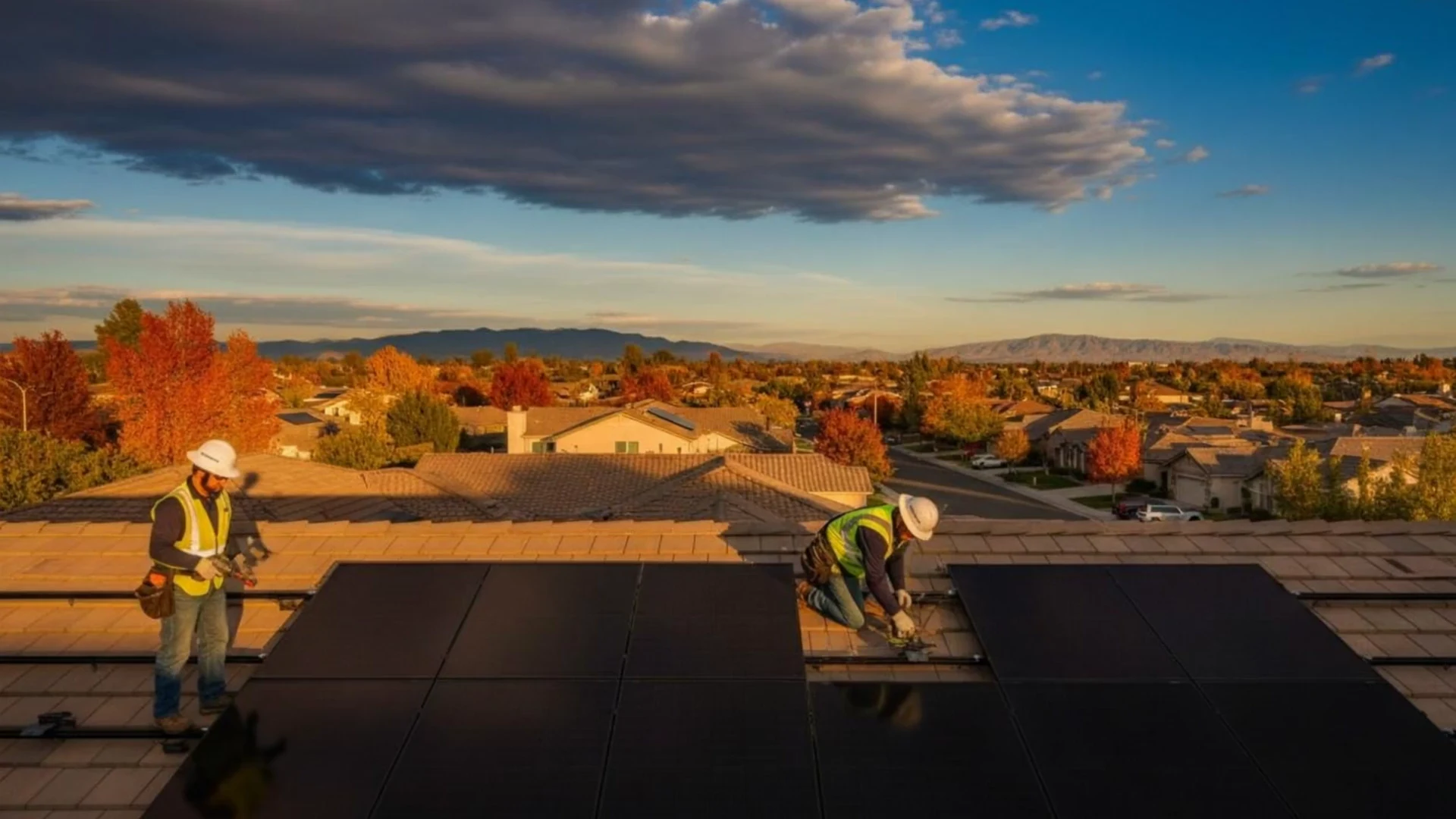
Solar Panel Removal & Reinstallation in Dunedin, FL
America’s #1 Choice for Energy Independence
We handle removal, storage, and reinstallation — coordinating with your roofer so your project runs smoothly from start to finish.
By submitting or calling, you consent to receive calls and SMS from The Light Group USA at the number provided, including via auto-dialer or pre-recorded messages. Consent is not required for purchase. Msg/data rates may apply. Reply STOP to opt out. See our Privacy Policy.

Protect your roof and your solar investment
Let professionals handle your solar panel removal the right way.
By submitting or calling, you consent to receive calls and SMS from The Light Group USA at the number provided, including via auto-dialer or pre-recorded messages. Consent is not required for purchase. Msg/data rates may apply. Reply STOP to opt out. See our Privacy Policy.
Panel removal and reinstall in Dunedin
Dunedin sits directly on the water, and the Causeway out to Honeymoon Island is a fair description of the air your array breathes every day of the year. Salt does not go after the modules first. It goes after the rails, the bolts, the grounding lugs and the MC4 connectors, working inside housings and under clamps where nothing is visible from the driveway.
Nearly every removal here begins with a roof. A homeowner in one of the older neighborhoods near downtown gets a roofing quote, learns the roofer will not touch solar, and then discovers the company that installed the array has closed. The project stalls there, between a roofer who is ready to start and a system nobody has agreed to take off.
A tear-off is the one occasion when every component of your system is in someone's hands. Corroded hardware gets replaced rather than reused, grounding lugs get cleaned back to bright metal, and connectors that have gone chalky get cut off and re-terminated with the same brand they mate to. Mixing connector brands is a well known cause of arcing and voided warranties.
Duke Energy Florida serves Dunedin and credits exported power at the retail rate, so the interconnection you already hold is worth protecting through the whole process. This is scheduled work, never urgent. Dunedin is covered out of Tampa, and the take-down gets booked against the roofer's start date so the array is not sitting in a garage waiting on shingles.
On a Dunedin removal we get these right
Common questions about solar service in Dunedin
Only what passes inspection. Near the water, rails often survive while fasteners, lugs and connectors do not, and corrosion tends to hide under clamps and inside connector housings. Anything pitted, bloomed or chalky is replaced with matching hardware. Reusing a corroded lug on a new roof buys a fault that surfaces a year or two later.
Roofers in Pinellas County generally exclude it, and the exclusion is on the estimate for a reason. The work involves live DC conductors, an inverter shutdown sequence and glass that cracks without showing it. Handling by a roofing crew also gives module and inverter manufacturers an argument for declining a later warranty claim.
It should not, provided the system goes back the way it was and the utility is notified through the normal process. Duke Energy Florida credits exported power at the retail rate. If you change module count or inverter capacity while the array is down, that is a change to your interconnection and it needs to be filed rather than assumed.
Somewhere agreed before removal day. Modules are racked upright on edge, never stacked flat, off the ground, covered and preferably indoors, with hardware bagged by row so the reinstallation matches the original layout. On a tight lot the practical answer is often the garage, a covered patio, or a container placed on the driveway.
Roof, panels and inverter carry three separate warranties held by three separate companies. Because reinstallation puts new penetrations through a new roof, the mounting and flashing scope should be documented before anyone starts, with the roofer aware of where mounts will land. That written sequence is what prevents two contractors pointing at each other later.
Other solar work we do here
Panel Removal & Reinstallation near Dunedin
Crews based in Orlando and Tampa, covering 217 cities statewide.
Tampa Bay
- Apollo Beach
- Auburndale
- Bartow
- Bayonet Point
- Bayshore Gardens
- Bloomingdale
- Bradenton
- Brandon
- Carrollwood
- Citrus Park
- Clearwater
- Davenport
- Dunedin
- East Lake
- East Lake-Orient Park
- Egypt Lake-Leto
- Elfers
- Englewood
- Fish Hawk
- Four Corners
- Fruitville
- Gibsonton
- Haines City
- Holiday
- Jasmine Estates
- Keystone
- Lake Magdalene
- Lake Wales
- Lakeland
- Lakewood Ranch
- Land O' Lakes
- Largo
- Lealman
- Lutz
- New Port Richey
- North Port
- Northdale
- Palm Harbor
- Palm River-Clair Mel
- Palmer Ranch
- Pinellas Park
- Plant City
- Poinciana
- Riverview
- Ruskin
- Safety Harbor
- Sarasota
- Seminole
- South Bradenton
- South Venice
- St. Petersburg
- Sun City Center
- Tampa
- Tarpon Springs
- Temple Terrace
- Thonotosassa
- Town 'n' Country
- Trinity
- University
- Valrico
- Venice
- Wesley Chapel
- Westchase
- Wimauma
- Winter Haven
- Zephyrhills
We also cover Florida Panhandle, North Florida, Northeast Florida, Central Florida, Space Coast, Southwest Florida, Treasure Coast, South Florida. See every Florida city we service.