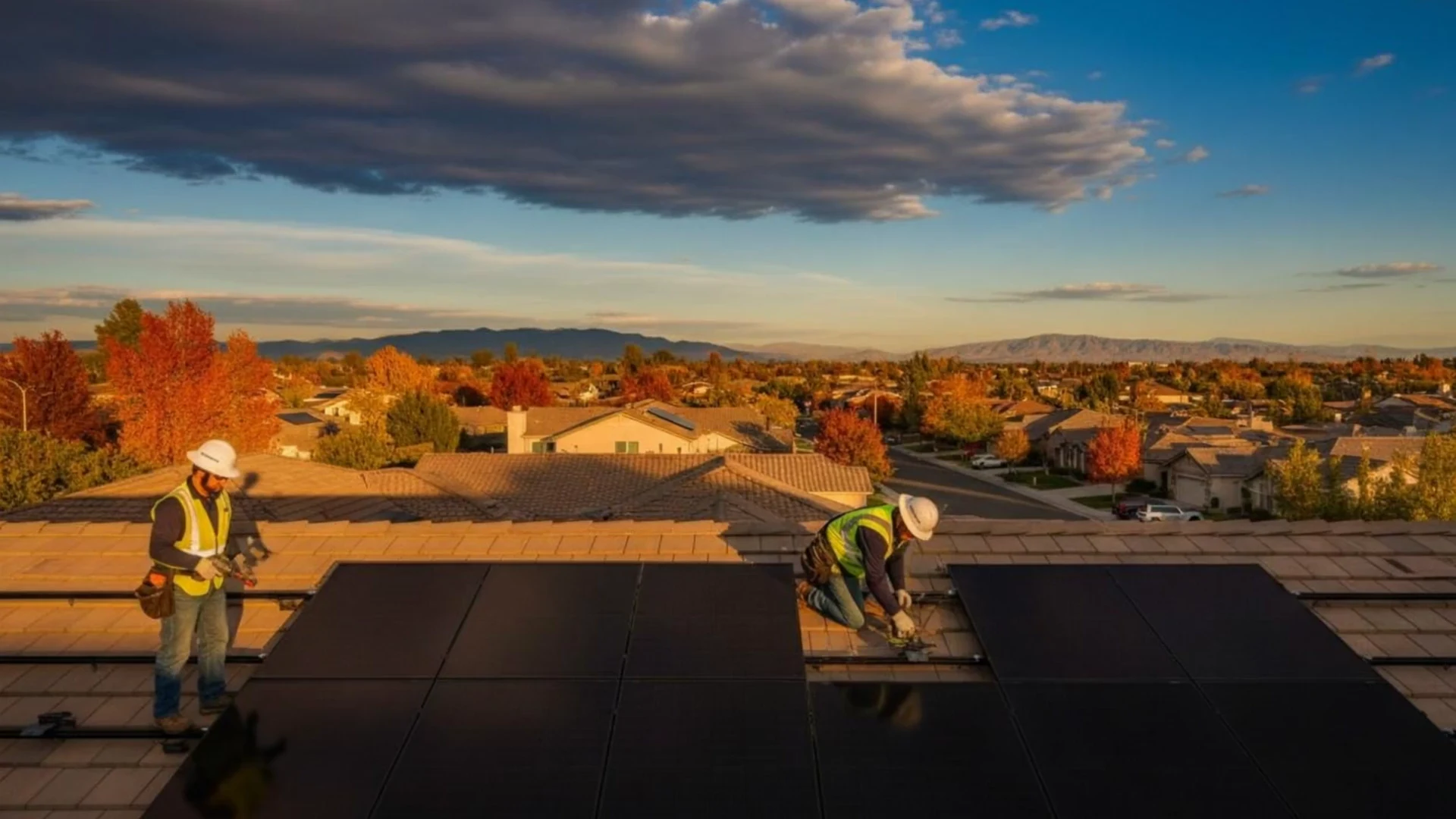
Solar Panel Removal & Reinstallation in Four Corners, FL
America’s #1 Choice for Energy Independence
We handle removal, storage, and reinstallation — coordinating with your roofer so your project runs smoothly from start to finish.
By submitting or calling, you consent to receive calls and SMS from The Light Group USA at the number provided, including via auto-dialer or pre-recorded messages. Consent is not required for purchase. Msg/data rates may apply. Reply STOP to opt out. See our Privacy Policy.

Protect your roof and your solar investment
Let professionals handle your solar panel removal the right way.
By submitting or calling, you consent to receive calls and SMS from The Light Group USA at the number provided, including via auto-dialer or pre-recorded messages. Consent is not required for purchase. Msg/data rates may apply. Reply STOP to opt out. See our Privacy Policy.
Panel removal and reinstall in Four Corners
Four Corners is named for a meeting point of county lines, and that is not trivia here. The community spreads along the US 27 corridor just south of Interstate 4, and its ZIP codes reach across several jurisdictions at once. Two houses on opposite sides of the same road can answer to different building departments, which matters the moment a roof replacement forces the solar array to come off.
The housing is mostly newer than the Florida average and much of it was built for vacation and rental use. Owners are often out of state, decisions run through a property manager, and the roof gets replaced between bookings or after a hail or wind claim. None of that fits an emergency call. It fits scheduled work with locked dates, which is how Four Corners is covered from Orlando and Tampa.
The permit question comes before the ladder. Because much of this area is unincorporated, the authority that issues the permit and performs the reinspection depends on the exact address, not on the mailing city printed on the utility bill. Confirming that first keeps a roofing crew from standing down while an application sits in the wrong county's queue for a week.
This is inland Florida with no waterfront, so the enemies are heat, dust and pollen rather than salt. Attic temperatures under a bare deck climb fast, modules stored badly bake in the sun, and the grit that settles into an open connector during a re-roof does not wash out. Panels come off in labeled rows, go onto racks under cover, and return with clean, capped contacts.
On a Four Corners removal we get these right
Common questions about solar service in Four Corners
It depends on the exact address. This community straddles county lines and much of it is unincorporated, so the building department is determined by parcel, not by the city name on your mail. That gets confirmed before scheduling, because submitting to the wrong authority costs a week that the roofing crew has already booked.
Yes, and it is common here. The schedule is coordinated with your roofer and your property manager, access is arranged in advance, and each stage is photographed: the array before removal, the labeled rows, the storage setup, the attachments and flashing, and the finished system. Approvals happen by phone and email, not at the curb.
The removal and the reinstallation are two short visits; the long part is the roofing itself. Blocking a single window that covers tear-off, new roof, inspection and reinstallation is usually easier than trying to thread the trades between reservations. Set the roofing dates first, then the solar dates attach to them.
Almost always, yes. Roofers need the entire deck clear to tear off, dry in and lay new material, and a partial removal leaves them working around live conductors. Partial removal only makes sense when a roofer is replacing a limited section for a repair, and that decision belongs to the roofing contractor.
If the system returns exactly as it was approved, the existing interconnection agreement still applies and exports continue to be credited at the retail rate. The reinstallation is inspected and the system recommissioned before it goes back online. Changing module count or inverter is what triggers new paperwork with Duke, so that is decided in advance.
Other solar work we do here
Panel Removal & Reinstallation near Four Corners
Crews based in Orlando and Tampa, covering 217 cities statewide.
Tampa Bay
- Apollo Beach
- Auburndale
- Bartow
- Bayonet Point
- Bayshore Gardens
- Bloomingdale
- Bradenton
- Brandon
- Carrollwood
- Citrus Park
- Clearwater
- Davenport
- Dunedin
- East Lake
- East Lake-Orient Park
- Egypt Lake-Leto
- Elfers
- Englewood
- Fish Hawk
- Four Corners
- Fruitville
- Gibsonton
- Haines City
- Holiday
- Jasmine Estates
- Keystone
- Lake Magdalene
- Lake Wales
- Lakeland
- Lakewood Ranch
- Land O' Lakes
- Largo
- Lealman
- Lutz
- New Port Richey
- North Port
- Northdale
- Palm Harbor
- Palm River-Clair Mel
- Palmer Ranch
- Pinellas Park
- Plant City
- Poinciana
- Riverview
- Ruskin
- Safety Harbor
- Sarasota
- Seminole
- South Bradenton
- South Venice
- St. Petersburg
- Sun City Center
- Tampa
- Tarpon Springs
- Temple Terrace
- Thonotosassa
- Town 'n' Country
- Trinity
- University
- Valrico
- Venice
- Wesley Chapel
- Westchase
- Wimauma
- Winter Haven
- Zephyrhills
We also cover Florida Panhandle, North Florida, Northeast Florida, Central Florida, Space Coast, Southwest Florida, Treasure Coast, South Florida. See every Florida city we service.