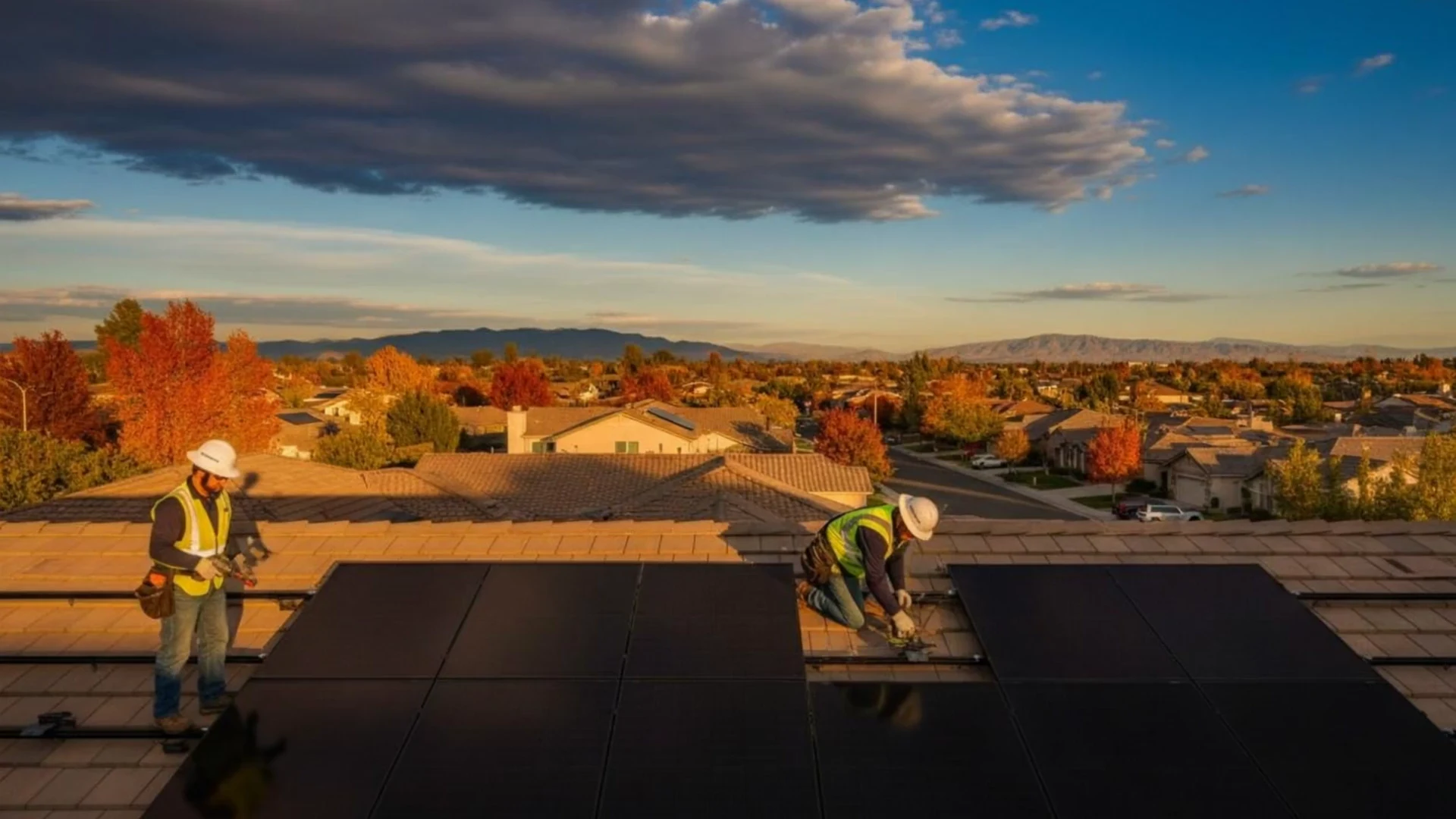
Solar Panel Removal & Reinstallation in Temple Terrace, FL
America’s #1 Choice for Energy Independence
We handle removal, storage, and reinstallation — coordinating with your roofer so your project runs smoothly from start to finish.
By submitting or calling, you consent to receive calls and SMS from The Light Group USA at the number provided, including via auto-dialer or pre-recorded messages. Consent is not required for purchase. Msg/data rates may apply. Reply STOP to opt out. See our Privacy Policy.

Protect your roof and your solar investment
Let professionals handle your solar panel removal the right way.
By submitting or calling, you consent to receive calls and SMS from The Light Group USA at the number provided, including via auto-dialer or pre-recorded messages. Consent is not required for purchase. Msg/data rates may apply. Reply STOP to opt out. See our Privacy Policy.
Panel removal and reinstall in Temple Terrace
Temple Terrace was laid out around the loop the Hillsborough River makes near the golf and country club, and the neighborhoods inside that loop have grown a substantial tree canopy over the decades. Mature oaks change what a solar array deals with day to day: moving shade patterns, leaf and moss debris collecting at the lower edge of the modules, and branches that have grown closer to the roof plane than they were when the system went in.
The reason the array comes off, though, is almost always the roof. Somewhere in 33617 or 33637 a replacement gets scheduled, and the homeowner learns that the roofing crew does not touch solar and the company that installed the array is no longer in business. The racking, conduit and flashings belong to nobody, and the deck cannot be stripped until the system is properly removed.
This is an incorporated city of about 27,588 residents with its own building department, so the permit and the electrical reinspection generally run through the city rather than unincorporated Hillsborough County. It is a small detail that decides which office the paperwork goes to, and getting it wrong is how a finished roof ends up with an array that cannot legally be turned back on.
Seven kilometers in from the coast, the stressors are heat, shade and organic debris rather than salt. Tampa Electric serves these addresses and credits exported power at the retail rate, so the utility arrangement is unaffected. The removal is planned around the roofer's dates and covered from Tampa on a booked window, which is exactly the right way to handle work that is scheduled rather than urgent.
On a Temple Terrace removal we get these right
Common questions about solar service in Temple Terrace
Temple Terrace is an incorporated city with its own building department, so permits and inspections for addresses inside the city generally go through the city rather than unincorporated Hillsborough County. Removing and reinstalling an array is normally permitted work with an electrical inspection before re-energizing, and the correct office is confirmed by street address at survey.
It is usually the right window for it. With the array removed, a tree crew can work over the roof without risking module glass, and any debris from the trimming lands on a surface that is about to be replaced anyway. Doing it after reinstallation means working directly above newly mounted panels.
Shade itself mainly reduces output, but what grows with it can cause damage. Leaf litter and moss collecting along the lower edge of the modules holds moisture against frames and racking, and organic buildup in wire channels traps water around connectors. Clearing all of that is straightforward while the array is down and impractical afterward.
No. Tampa Electric credits exported power at the retail rate and the interconnection follows the address and the system, not the removal schedule. The system simply produces nothing while it is down, so the only real cost is lost generation during the roofing window, which is why the two calendars are locked together.
Because output is verified after re-energizing rather than assumed. Inverter status, string-level readings where available and monitoring reporting are checked before the job closes. If the monitoring account was lost with a previous installer, it gets re-established, since an unmonitored array can lose a string quietly and go a year before anyone notices.
Other solar work we do here
Panel Removal & Reinstallation near Temple Terrace
Crews based in Orlando and Tampa, covering 217 cities statewide.
Tampa Bay
- Apollo Beach
- Auburndale
- Bartow
- Bayonet Point
- Bayshore Gardens
- Bloomingdale
- Bradenton
- Brandon
- Carrollwood
- Citrus Park
- Clearwater
- Davenport
- Dunedin
- East Lake
- East Lake-Orient Park
- Egypt Lake-Leto
- Elfers
- Englewood
- Fish Hawk
- Four Corners
- Fruitville
- Gibsonton
- Haines City
- Holiday
- Jasmine Estates
- Keystone
- Lake Magdalene
- Lake Wales
- Lakeland
- Lakewood Ranch
- Land O' Lakes
- Largo
- Lealman
- Lutz
- New Port Richey
- North Port
- Northdale
- Palm Harbor
- Palm River-Clair Mel
- Palmer Ranch
- Pinellas Park
- Plant City
- Poinciana
- Riverview
- Ruskin
- Safety Harbor
- Sarasota
- Seminole
- South Bradenton
- South Venice
- St. Petersburg
- Sun City Center
- Tampa
- Tarpon Springs
- Temple Terrace
- Thonotosassa
- Town 'n' Country
- Trinity
- University
- Valrico
- Venice
- Wesley Chapel
- Westchase
- Wimauma
- Winter Haven
- Zephyrhills
We also cover Florida Panhandle, North Florida, Northeast Florida, Central Florida, Space Coast, Southwest Florida, Treasure Coast, South Florida. See every Florida city we service.