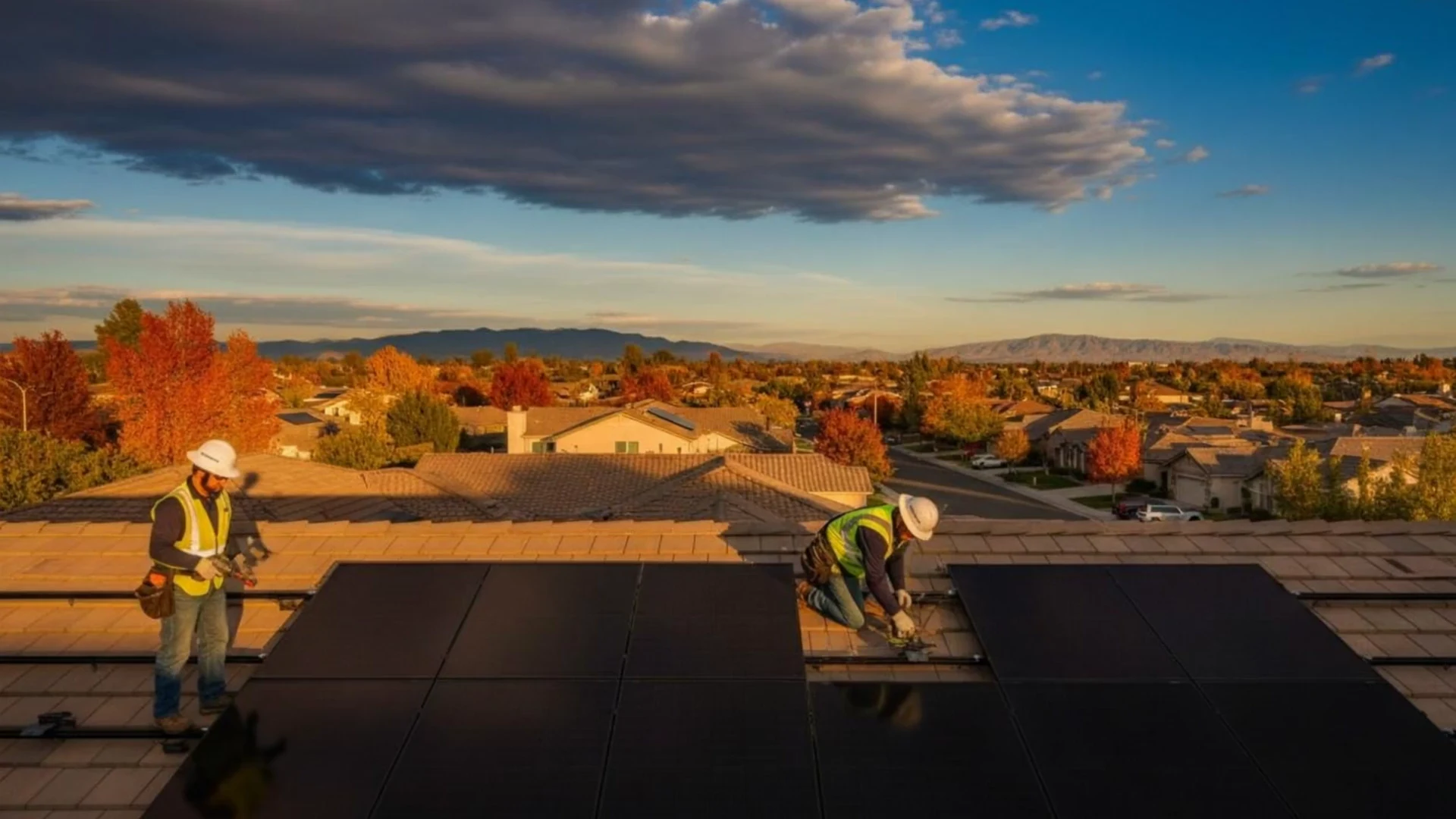
Solar Panel Removal & Reinstallation in Lealman, FL
America’s #1 Choice for Energy Independence
We handle removal, storage, and reinstallation — coordinating with your roofer so your project runs smoothly from start to finish.
By submitting or calling, you consent to receive calls and SMS from The Light Group USA at the number provided, including via auto-dialer or pre-recorded messages. Consent is not required for purchase. Msg/data rates may apply. Reply STOP to opt out. See our Privacy Policy.

Protect your roof and your solar investment
Let professionals handle your solar panel removal the right way.
By submitting or calling, you consent to receive calls and SMS from The Light Group USA at the number provided, including via auto-dialer or pre-recorded messages. Consent is not required for purchase. Msg/data rates may apply. Reply STOP to opt out. See our Privacy Policy.
Panel removal and reinstall in Lealman
Around 54th Avenue North and 34th Street North, most homes are single story and most roofs are on their second or third life. When the next replacement comes due, the solar array becomes the obstacle nobody planned for. Roofing crews here will not disconnect a live DC system, and the company that installed it may not exist anymore. What looks like a small scheduling problem turns into a stalled project sitting under a tarp.
Lealman is unincorporated, which is the first practical detail of the job. There is no city hall to visit: permits for removal and reinstallation come from Pinellas County, and the reinspection closes there too. Homeowners are often surprised by that, especially those who assumed the roofing permit covered the solar work. It does not. The array is its own permitted scope, and leaving it unpermitted is how a re-roof turns into an open code file.
Duke Energy Florida serves this area and credits exported energy at the retail rate, one for one. The interconnection agreement on file survives a re-roof, but the system has to come back the way the paperwork describes it. Where accounts get messy is when modules are dropped, added or relocated during the reinstall and nothing is updated, so the permit, the meter and the agreement each tell a different story about the same roof.
This corner of Pinellas sits in the most lightning-prone region in the country, which makes grounding and bonding more than a checkbox at reinstallation. Every ground path that gets opened during removal is a path that has to be verifiably restored: lug to rail, rail to rail, equipment ground back to the inverter. It is invisible work that only matters on the one afternoon it does.
On a Lealman removal we get these right
Common questions about solar service in Lealman
Pinellas County issues it. Because Lealman has no municipal building department, both the permit for removing and reinstalling the array and the inspection that closes it run through the county. The roofing permit does not cover the solar scope, even if the same roof and the same week are involved. We confirm the address and pull the correct permit before scheduling.
Not usually, provided the system returns unchanged and properly inspected. Duke Energy Florida credits exported energy at the retail rate, one for one, and your existing interconnection agreement stays in force. If the reinstalled array differs in size, inverter or configuration, that change should be documented so the utility's records match what is physically on the roof.
It becomes the roofer's scope, and it is better found now than later. The area beneath an array stays shaded and damp, so soft sheathing around old mounts is a common discovery on removal day. Because the panels are already off, the roofer has full access to replace decking before dry-in, and the reinstall proceeds onto sound structure.
Only the parts that pass inspection. Sound rail is cleaned and reused; mounts, flashing and fasteners are normally replaced because the new roof needs new penetrations correctly flashed for the new surface. Corroded lugs, seized clamps and bent rail are replaced outright. Everything reinstalled is torqued to the module manufacturer's published specification.
Poor bonding makes an existing risk worse. This region records more lightning than anywhere else in the country, and an array's grounding system is a continuous path that removal necessarily interrupts. If a lug is left loose or a bonding jumper is not restored, the fault path is compromised. Continuity is tested at reconnection rather than assumed from appearance.
Other solar work we do here
Panel Removal & Reinstallation near Lealman
Crews based in Orlando and Tampa, covering 217 cities statewide.
Tampa Bay
- Apollo Beach
- Auburndale
- Bartow
- Bayonet Point
- Bayshore Gardens
- Bloomingdale
- Bradenton
- Brandon
- Carrollwood
- Citrus Park
- Clearwater
- Davenport
- Dunedin
- East Lake
- East Lake-Orient Park
- Egypt Lake-Leto
- Elfers
- Englewood
- Fish Hawk
- Four Corners
- Fruitville
- Gibsonton
- Haines City
- Holiday
- Jasmine Estates
- Keystone
- Lake Magdalene
- Lake Wales
- Lakeland
- Lakewood Ranch
- Land O' Lakes
- Largo
- Lealman
- Lutz
- New Port Richey
- North Port
- Northdale
- Palm Harbor
- Palm River-Clair Mel
- Palmer Ranch
- Pinellas Park
- Plant City
- Poinciana
- Riverview
- Ruskin
- Safety Harbor
- Sarasota
- Seminole
- South Bradenton
- South Venice
- St. Petersburg
- Sun City Center
- Tampa
- Tarpon Springs
- Temple Terrace
- Thonotosassa
- Town 'n' Country
- Trinity
- University
- Valrico
- Venice
- Wesley Chapel
- Westchase
- Wimauma
- Winter Haven
- Zephyrhills
We also cover Florida Panhandle, North Florida, Northeast Florida, Central Florida, Space Coast, Southwest Florida, Treasure Coast, South Florida. See every Florida city we service.