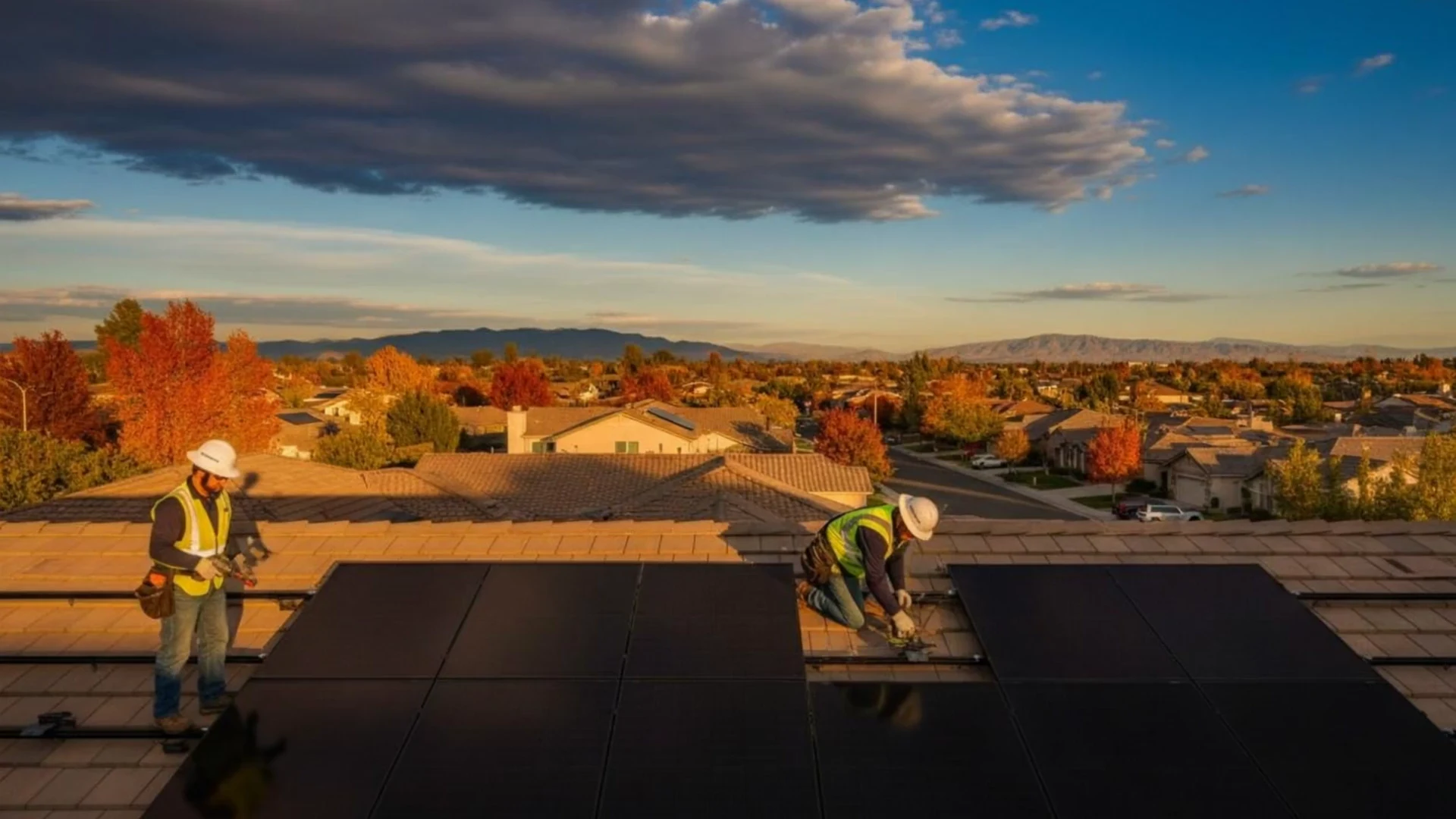
Solar Panel Removal & Reinstallation in Seminole, FL
America’s #1 Choice for Energy Independence
We handle removal, storage, and reinstallation — coordinating with your roofer so your project runs smoothly from start to finish.
By submitting or calling, you consent to receive calls and SMS from The Light Group USA at the number provided, including via auto-dialer or pre-recorded messages. Consent is not required for purchase. Msg/data rates may apply. Reply STOP to opt out. See our Privacy Policy.

Protect your roof and your solar investment
Let professionals handle your solar panel removal the right way.
By submitting or calling, you consent to receive calls and SMS from The Light Group USA at the number provided, including via auto-dialer or pre-recorded messages. Consent is not required for purchase. Msg/data rates may apply. Reply STOP to opt out. See our Privacy Policy.
Panel removal and reinstall in Seminole
Seminole is a compact city on the Pinellas peninsula, close to the water on every side, built largely of single-story homes from the 1960s and 1970s around Park Boulevard and Seminole Boulevard. The roofs on those houses are low and easy to reach, which helps, but they are also old enough that replacement is now routine. Whenever one comes off, the solar array on it has to come off first.
Two constraints shape the job here. The first is salt: this close to the water, corrosion works on rails, fasteners, grounding lugs and connector contacts long before it does anything visible to the glass. The second is space. Pinellas lots are small, and a roofing dumpster plus a pallet of shingles plus an array of modules is more than most driveways can hold at once.
So the storage plan is a real part of the scope rather than a line of boilerplate. Panels go on spaced racks, covered, on dry ground, in a location agreed before removal day, with connectors capped. They are placed where no other trade will have to move them, because a module that gets relocated twice by people who are not tracking it is a module that gets dropped.
Seminole is Duke Energy Florida territory, and Duke credits exported energy at the retail rate under the agreement covering your system as approved. The work is permitted and reinspected, and it is scheduled rather than urgent, which is what makes covering Seminole from Tampa a matter of a calendar instead of a call. Many local neighborhoods also have associations that expect notice before roofing begins.
On a Seminole removal we get these right
Common questions about solar service in Seminole
Somewhere agreed in advance, because Pinellas lots are tight. Modules go on spaced racks, covered, on dry ground, with connectors capped, positioned where the roofing crew will not need to move them. If your property cannot hold the array safely alongside a dumpster and materials, that gets raised before the job is booked rather than on removal morning.
In many Seminole neighborhoods, yes. Associations commonly regulate work hours, dumpster placement, staging and roof appearance, and some ask for advance notification of any exterior work. Filing it early costs a few days. Getting stopped mid-project costs weeks, and your array is on the ground for all of them.
Corrosion on the metal rather than damage to the panels. Expect to look closely at rail ends, clamp hardware, lag bolts, grounding lugs and the inside of connector housings, which is where salt does its work unseen. Some of it is cosmetic and some of it is structural, and the removal is when that gets sorted out honestly.
As long as the roofing takes, plus the reinstallation visit. A single-story shingle roof of this size is often a matter of days once it starts. Insurance work, material delays or a deck replacement can extend it. The panels stay racked and protected throughout, and reinstallation is scheduled after the new roof passes inspection.
Not if the array comes back as approved. Duke Energy Florida credits exported power at the retail rate under the interconnection agreement covering your existing system, so the same module count and inverter leave it undisturbed. Any change in system size is a filing made with Duke beforehand, not something to resolve after the meter behaves unexpectedly.
Other solar work we do here
Panel Removal & Reinstallation near Seminole
Crews based in Orlando and Tampa, covering 217 cities statewide.
Tampa Bay
- Apollo Beach
- Auburndale
- Bartow
- Bayonet Point
- Bayshore Gardens
- Bloomingdale
- Bradenton
- Brandon
- Carrollwood
- Citrus Park
- Clearwater
- Davenport
- Dunedin
- East Lake
- East Lake-Orient Park
- Egypt Lake-Leto
- Elfers
- Englewood
- Fish Hawk
- Four Corners
- Fruitville
- Gibsonton
- Haines City
- Holiday
- Jasmine Estates
- Keystone
- Lake Magdalene
- Lake Wales
- Lakeland
- Lakewood Ranch
- Land O' Lakes
- Largo
- Lealman
- Lutz
- New Port Richey
- North Port
- Northdale
- Palm Harbor
- Palm River-Clair Mel
- Palmer Ranch
- Pinellas Park
- Plant City
- Poinciana
- Riverview
- Ruskin
- Safety Harbor
- Sarasota
- Seminole
- South Bradenton
- South Venice
- St. Petersburg
- Sun City Center
- Tampa
- Tarpon Springs
- Temple Terrace
- Thonotosassa
- Town 'n' Country
- Trinity
- University
- Valrico
- Venice
- Wesley Chapel
- Westchase
- Wimauma
- Winter Haven
- Zephyrhills
We also cover Florida Panhandle, North Florida, Northeast Florida, Central Florida, Space Coast, Southwest Florida, Treasure Coast, South Florida. See every Florida city we service.