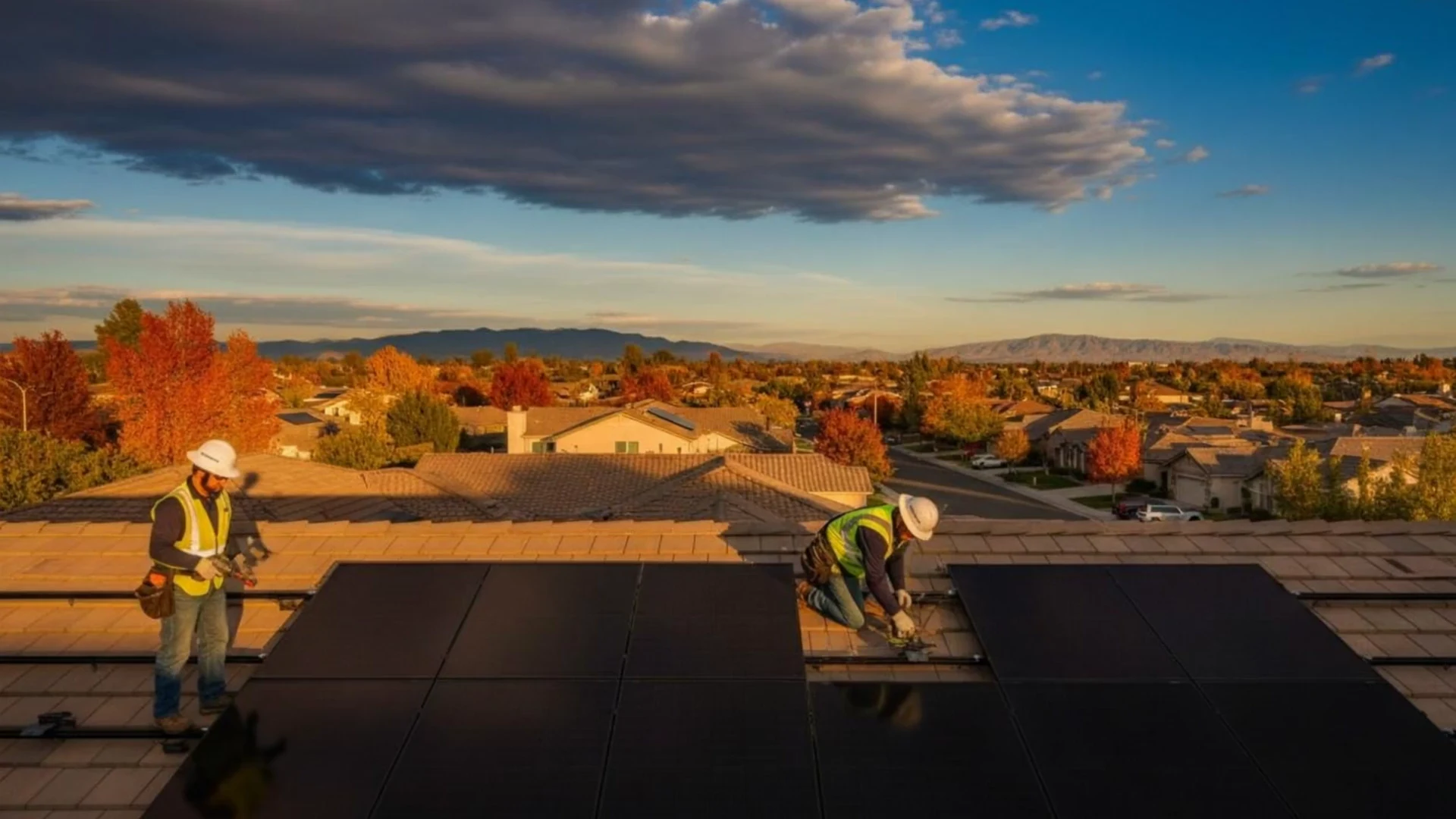
Solar Panel Removal & Reinstallation in Palm River-Clair Mel, FL
America’s #1 Choice for Energy Independence
We handle removal, storage, and reinstallation — coordinating with your roofer so your project runs smoothly from start to finish.
By submitting or calling, you consent to receive calls and SMS from The Light Group USA at the number provided, including via auto-dialer or pre-recorded messages. Consent is not required for purchase. Msg/data rates may apply. Reply STOP to opt out. See our Privacy Policy.

Protect your roof and your solar investment
Let professionals handle your solar panel removal the right way.
By submitting or calling, you consent to receive calls and SMS from The Light Group USA at the number provided, including via auto-dialer or pre-recorded messages. Consent is not required for purchase. Msg/data rates may apply. Reply STOP to opt out. See our Privacy Policy.
Panel removal and reinstall in Palm River-Clair Mel
Between Causeway Boulevard and McKay Bay, roofs take a beating from two directions at once. Brackish air comes off the bay, and dust and grit come off a corridor that never stops moving. When a roof reaches the end of its life here, the solar array on top of it has usually been quietly accumulating both. The removal request is about the roofing schedule, but the condition of the hardware is often the more interesting finding.
Tampa Electric serves this community and credits exported energy at the retail rate, one for one. The interconnection agreement already on file stays valid through a re-roof, so long as the system comes back matching what the paperwork describes. Trouble starts when modules are quietly dropped or relocated during reinstallation and nothing is updated, leaving the permit record, the meter configuration and the utility agreement describing three different versions of the same array.
Palm River-Clair Mel is unincorporated, so the permit desk is Hillsborough County rather than a city building department. That surprises homeowners who assume the roofing contractor's permit covers everything on the roof. It does not. Removing and reinstalling an array is normally its own permitted scope with its own inspection, and the file has to close before anyone considers the project finished.
This is also the lightning belt, which puts real weight on grounding continuity when the array goes back up. Every bonding path opened during removal has to be verifiably restored, not eyeballed. Combine that with salt at the connectors and grit in the rail channels, and the reinstall becomes the moment an eight-year-old system either gets cleaned up properly or gets bolted back down with all its accumulated problems intact.
On a Palm River-Clair Mel removal we get these right
Common questions about solar service in Palm River-Clair Mel
No, provided the system returns as documented. TECO credits exported energy at the retail rate on a one-to-one basis, and your interconnection agreement remains in force through a roof replacement. If the reinstalled array changes in module count, capacity or inverter, that difference should be reflected in the paperwork so the utility's records match the equipment on the roof.
Hillsborough County issues it. Palm River-Clair Mel is unincorporated, so there is no municipal building department involved, and both the permit and the closing inspection run through the county. The roofing permit does not cover the solar work even when both jobs happen the same month. The array is a separate permitted scope with its own inspection.
It is the one clean opportunity you get. Soiling near the bay and the causeway combines salt film with road grit, and it reduces output steadily without triggering any alarm on your monitoring. Cleaning modules properly on the ground, both faces and frames, is straightforward. Doing the same work later on a roof costs another access trip.
By controlling the connections. Every connector is inspected, connector brands are kept matched throughout the array, crimps showing corrosion are remade, and terminations are torqued to specification rather than by feel. Mixed-brand connectors and loose terminations are the two classic sources of arcing after a system has been apart, and both are avoidable at reinstallation.
Enough to line up two dates with your roofer, which usually means a few weeks. Removal happens before the tear-off and reinstallation after the new surface is finished, so both ends depend on the roofing calendar. This is planned work rather than emergency service, which is exactly why it can be committed to firm dates in advance.
Other solar work we do here
Panel Removal & Reinstallation near Palm River-Clair Mel
Crews based in Orlando and Tampa, covering 217 cities statewide.
Tampa Bay
- Apollo Beach
- Auburndale
- Bartow
- Bayonet Point
- Bayshore Gardens
- Bloomingdale
- Bradenton
- Brandon
- Carrollwood
- Citrus Park
- Clearwater
- Davenport
- Dunedin
- East Lake
- East Lake-Orient Park
- Egypt Lake-Leto
- Elfers
- Englewood
- Fish Hawk
- Four Corners
- Fruitville
- Gibsonton
- Haines City
- Holiday
- Jasmine Estates
- Keystone
- Lake Magdalene
- Lake Wales
- Lakeland
- Lakewood Ranch
- Land O' Lakes
- Largo
- Lealman
- Lutz
- New Port Richey
- North Port
- Northdale
- Palm Harbor
- Palm River-Clair Mel
- Palmer Ranch
- Pinellas Park
- Plant City
- Poinciana
- Riverview
- Ruskin
- Safety Harbor
- Sarasota
- Seminole
- South Bradenton
- South Venice
- St. Petersburg
- Sun City Center
- Tampa
- Tarpon Springs
- Temple Terrace
- Thonotosassa
- Town 'n' Country
- Trinity
- University
- Valrico
- Venice
- Wesley Chapel
- Westchase
- Wimauma
- Winter Haven
- Zephyrhills
We also cover Florida Panhandle, North Florida, Northeast Florida, Central Florida, Space Coast, Southwest Florida, Treasure Coast, South Florida. See every Florida city we service.