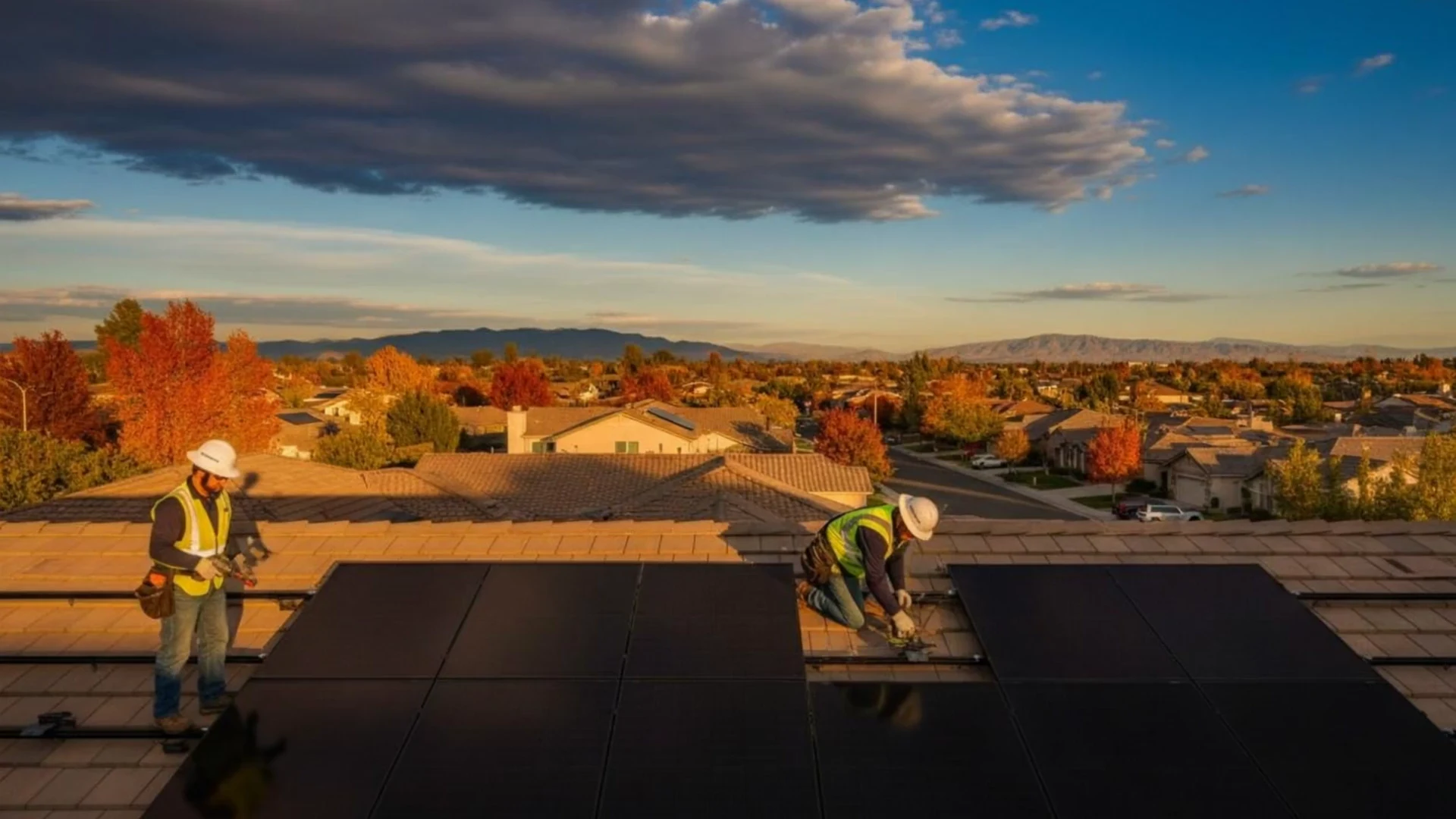
Solar Panel Removal & Reinstallation in Town 'n' Country, FL
America’s #1 Choice for Energy Independence
We handle removal, storage, and reinstallation — coordinating with your roofer so your project runs smoothly from start to finish.
By submitting or calling, you consent to receive calls and SMS from The Light Group USA at the number provided, including via auto-dialer or pre-recorded messages. Consent is not required for purchase. Msg/data rates may apply. Reply STOP to opt out. See our Privacy Policy.

Protect your roof and your solar investment
Let professionals handle your solar panel removal the right way.
By submitting or calling, you consent to receive calls and SMS from The Light Group USA at the number provided, including via auto-dialer or pre-recorded messages. Consent is not required for purchase. Msg/data rates may apply. Reply STOP to opt out. See our Privacy Policy.
Panel removal and reinstall in Town 'n' Country
Town 'n' Country has a Tampa mailing address and is not the City of Tampa. It is an unincorporated community in Hillsborough County stretching along Hillsborough Avenue near the Veterans Expressway, and that distinction decides which building department handles a permit. For a roof replacement that requires a solar array to be removed and reinstalled, getting it wrong is a week of delay with a roofing crew already booked.
The neighborhoods here were largely built between the 1960s and the 1980s, which means a lot of roofs are being replaced right now, some on age and some at an insurer's insistence. The homeowner discovers two problems at the same time: the roofing contractor will not handle the panels, and the company that installed them has closed. The removal becomes a separate trade nobody planned for.
The western edge of this community sits against Old Tampa Bay, and salt air reaches well inland from it. Salt does not damage the glass; it works on rails, bolts, grounding lugs and the contacts inside connector housings, quietly, where a visual check from the driveway cannot reach. Taking the array down is the only chance to inspect those parts before they go back onto a brand new roof.
This is Tampa Electric territory, and TECO credits exported energy at the retail rate under the agreement tied to your system as approved. Bring back the same module count and the same inverter and nothing about that needs reopening. The work is scheduled around the roofer's calendar rather than treated as an emergency, which is exactly what makes covering this area from Tampa straightforward.
On a Town 'n' Country removal we get these right
Common questions about solar service in Town 'n' Country
Hillsborough County, in most cases. Town 'n' Country is an unincorporated community, so the mailing city is not the permitting authority. That is confirmed from the parcel before anything is filed. Contractors unfamiliar with the area submit to the City of Tampa and lose a week, which is a week your roof sits waiting.
Not if it returns as approved. TECO credits exported energy at the retail rate under the interconnection agreement covering your existing array, and keeping the same module count and inverter keeps that agreement in force. Changing the system size while the roof is open is a filing made with the utility in advance.
Close enough that it is worth inspecting. Salt-laden air reaches inland from Old Tampa Bay and attacks metal rather than glass: rail ends, fasteners, grounding lugs and the contacts inside connector housings. None of that is visible from the ground, and a removal is the only time those parts can be examined in hand.
The roofing schedule determines it. A standard tear-off and shingle replacement on a home of this size usually runs days; a re-deck or an insurance claim awaiting materials can run into weeks. The array stays racked, covered and capped for the duration, and reinstallation is a single visit after the new roof is inspected.
It depends on the part, which is why the boundaries get written down first. Panels and inverters carry their manufacturers' warranties, the new roof carries the roofer's, and the attachment points belong to whoever drilled them. When two companies work on the same roof, both scopes should name who owns the penetrations.
Other solar work we do here
Panel Removal & Reinstallation near Town 'n' Country
Crews based in Orlando and Tampa, covering 217 cities statewide.
Tampa Bay
- Apollo Beach
- Auburndale
- Bartow
- Bayonet Point
- Bayshore Gardens
- Bloomingdale
- Bradenton
- Brandon
- Carrollwood
- Citrus Park
- Clearwater
- Davenport
- Dunedin
- East Lake
- East Lake-Orient Park
- Egypt Lake-Leto
- Elfers
- Englewood
- Fish Hawk
- Four Corners
- Fruitville
- Gibsonton
- Haines City
- Holiday
- Jasmine Estates
- Keystone
- Lake Magdalene
- Lake Wales
- Lakeland
- Lakewood Ranch
- Land O' Lakes
- Largo
- Lealman
- Lutz
- New Port Richey
- North Port
- Northdale
- Palm Harbor
- Palm River-Clair Mel
- Palmer Ranch
- Pinellas Park
- Plant City
- Poinciana
- Riverview
- Ruskin
- Safety Harbor
- Sarasota
- Seminole
- South Bradenton
- South Venice
- St. Petersburg
- Sun City Center
- Tampa
- Tarpon Springs
- Temple Terrace
- Thonotosassa
- Town 'n' Country
- Trinity
- University
- Valrico
- Venice
- Wesley Chapel
- Westchase
- Wimauma
- Winter Haven
- Zephyrhills
We also cover Florida Panhandle, North Florida, Northeast Florida, Central Florida, Space Coast, Southwest Florida, Treasure Coast, South Florida. See every Florida city we service.