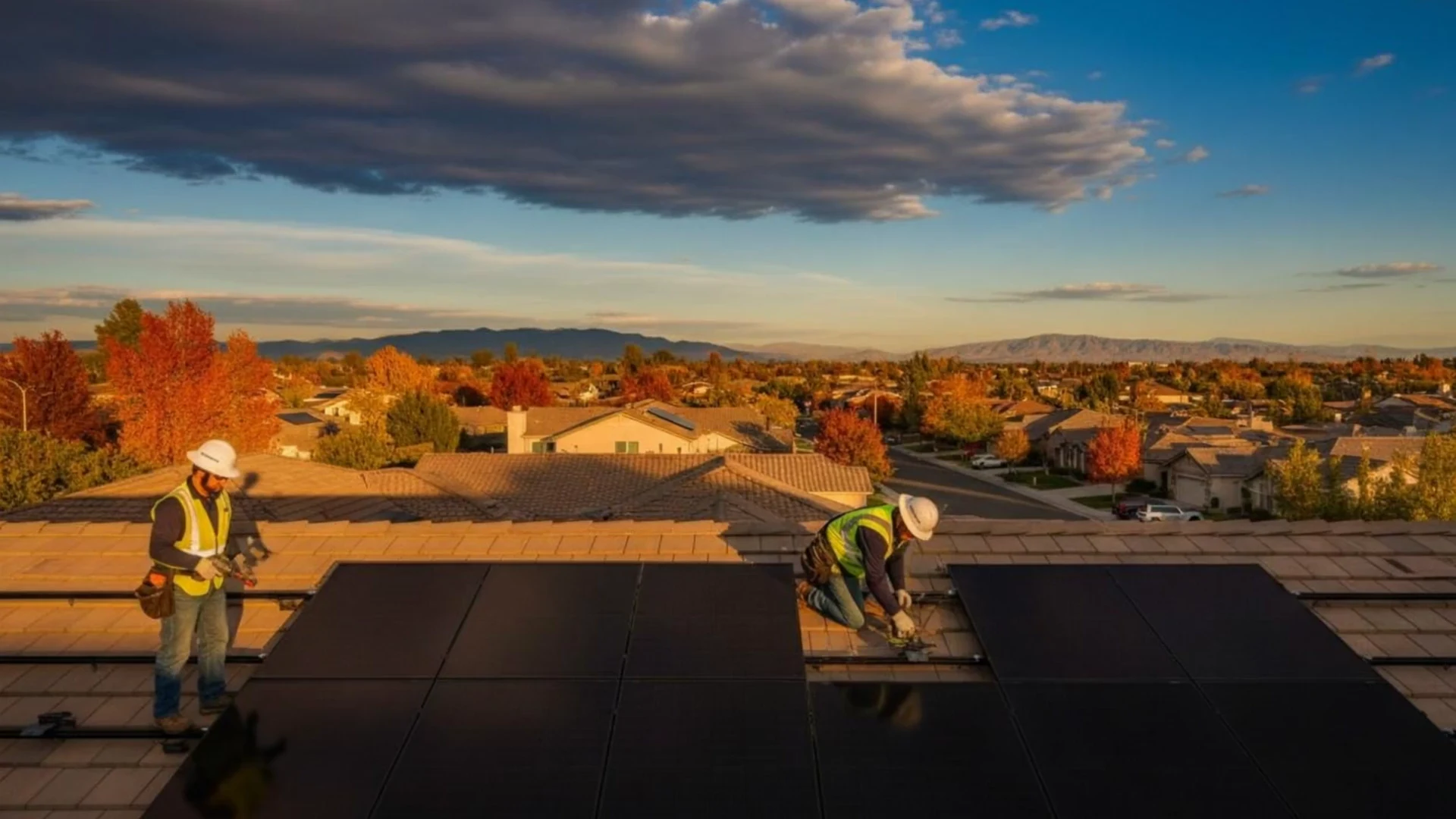
Solar Panel Removal & Reinstallation in Clearwater, FL
America’s #1 Choice for Energy Independence
We handle removal, storage, and reinstallation — coordinating with your roofer so your project runs smoothly from start to finish.
By submitting or calling, you consent to receive calls and SMS from The Light Group USA at the number provided, including via auto-dialer or pre-recorded messages. Consent is not required for purchase. Msg/data rates may apply. Reply STOP to opt out. See our Privacy Policy.

Protect your roof and your solar investment
Let professionals handle your solar panel removal the right way.
By submitting or calling, you consent to receive calls and SMS from The Light Group USA at the number provided, including via auto-dialer or pre-recorded messages. Consent is not required for purchase. Msg/data rates may apply. Reply STOP to opt out. See our Privacy Policy.
Panel removal and reinstall in Clearwater
Clearwater sits right on the water, and the drive out over the Memorial Causeway toward Pier 60 is a reminder of how close the salt gets to every roof in between. Salt does not start with the glass. It works on aluminum rails, stainless fasteners, grounding lugs and the metal inside MC4 connector bodies, corroding in places sealed from view. A roof tear-off forces all of it into the open, one row at a time.
That makes the tear-off worth planning around rather than dreading. Once the modules are off, every clamp, every lug and every connector body is in someone's hand instead of twenty feet up. Corroded parts get replaced then, while the deck is bare and roof access is already paid for. Deferring the decision means paying for that access twice, and the second visit usually happens after something has already stopped producing.
Duke Energy Florida serves Clearwater and credits exported energy at the retail rate, one to one. Worth knowing, because a removal is not a cancellation. The system keeps its arrangement as long as it goes back up matching the configuration on record. We still read the provider off the meter and the current bill before quoting, since in a regulated market the address decides the utility and the homeowner does not.
Hurricane season runs June 1 through November 30, and on a street this close to open water that shapes the calendar more than anything else. A roof that is coming off anyway should come off with the solar phases already booked around it, not in the months when a tarped deck is the worst thing to own. Removal and reinstallation are scheduled work, and we cover Clearwater from Orlando and Tampa.
On a Clearwater removal we get these right
Common questions about solar service in Clearwater
It attacks the mounting system long before the panels. Salt aerosol corrodes aluminum rails, stainless fasteners, grounding lugs and the contacts inside connector housings, and almost all of that happens where nothing is visible from the ground. The modules themselves are sealed and comparatively resistant. When the roof comes off, that hidden hardware is the part worth examining.
Sometimes. Hardware in good condition can go back on, but every mount is a new penetration through a new roof, so the flashing is new regardless. Rails with corrosion pitting, clamps that will not hold torque and lugs with poor contact get replaced while the deck is open and access costs nothing extra.
Yes. Connectors that look identical are not certified to mate across manufacturers, and mismatched pairs are a known cause of resistive heating and arcing at the joint. It is also a standard reason for a denied warranty claim after an equipment failure. Replacement connectors are matched to what is already on the system.
Duke Energy Florida credits exports at the retail rate, one to one, and taking an array down for a roof does not by itself change that. What matters is that the system goes back up matching the interconnection record, or that any change in module count, inverter or configuration is submitted rather than discovered later.
Hurricane season runs June 1 through November 30, and a bare deck, a tarped roof or a stack of modules in a garage are all worse inside that window. Because removal and reinstallation are planned work rather than emergency repairs, the calendar is negotiable. Booking the roofer and both solar phases together, well ahead, is what makes the preferred window achievable.
Other solar work we do here
Panel Removal & Reinstallation near Clearwater
Crews based in Orlando and Tampa, covering 217 cities statewide.
Tampa Bay
- Apollo Beach
- Auburndale
- Bartow
- Bayonet Point
- Bayshore Gardens
- Bloomingdale
- Bradenton
- Brandon
- Carrollwood
- Citrus Park
- Clearwater
- Davenport
- Dunedin
- East Lake
- East Lake-Orient Park
- Egypt Lake-Leto
- Elfers
- Englewood
- Fish Hawk
- Four Corners
- Fruitville
- Gibsonton
- Haines City
- Holiday
- Jasmine Estates
- Keystone
- Lake Magdalene
- Lake Wales
- Lakeland
- Lakewood Ranch
- Land O' Lakes
- Largo
- Lealman
- Lutz
- New Port Richey
- North Port
- Northdale
- Palm Harbor
- Palm River-Clair Mel
- Palmer Ranch
- Pinellas Park
- Plant City
- Poinciana
- Riverview
- Ruskin
- Safety Harbor
- Sarasota
- Seminole
- South Bradenton
- South Venice
- St. Petersburg
- Sun City Center
- Tampa
- Tarpon Springs
- Temple Terrace
- Thonotosassa
- Town 'n' Country
- Trinity
- University
- Valrico
- Venice
- Wesley Chapel
- Westchase
- Wimauma
- Winter Haven
- Zephyrhills
We also cover Florida Panhandle, North Florida, Northeast Florida, Central Florida, Space Coast, Southwest Florida, Treasure Coast, South Florida. See every Florida city we service.