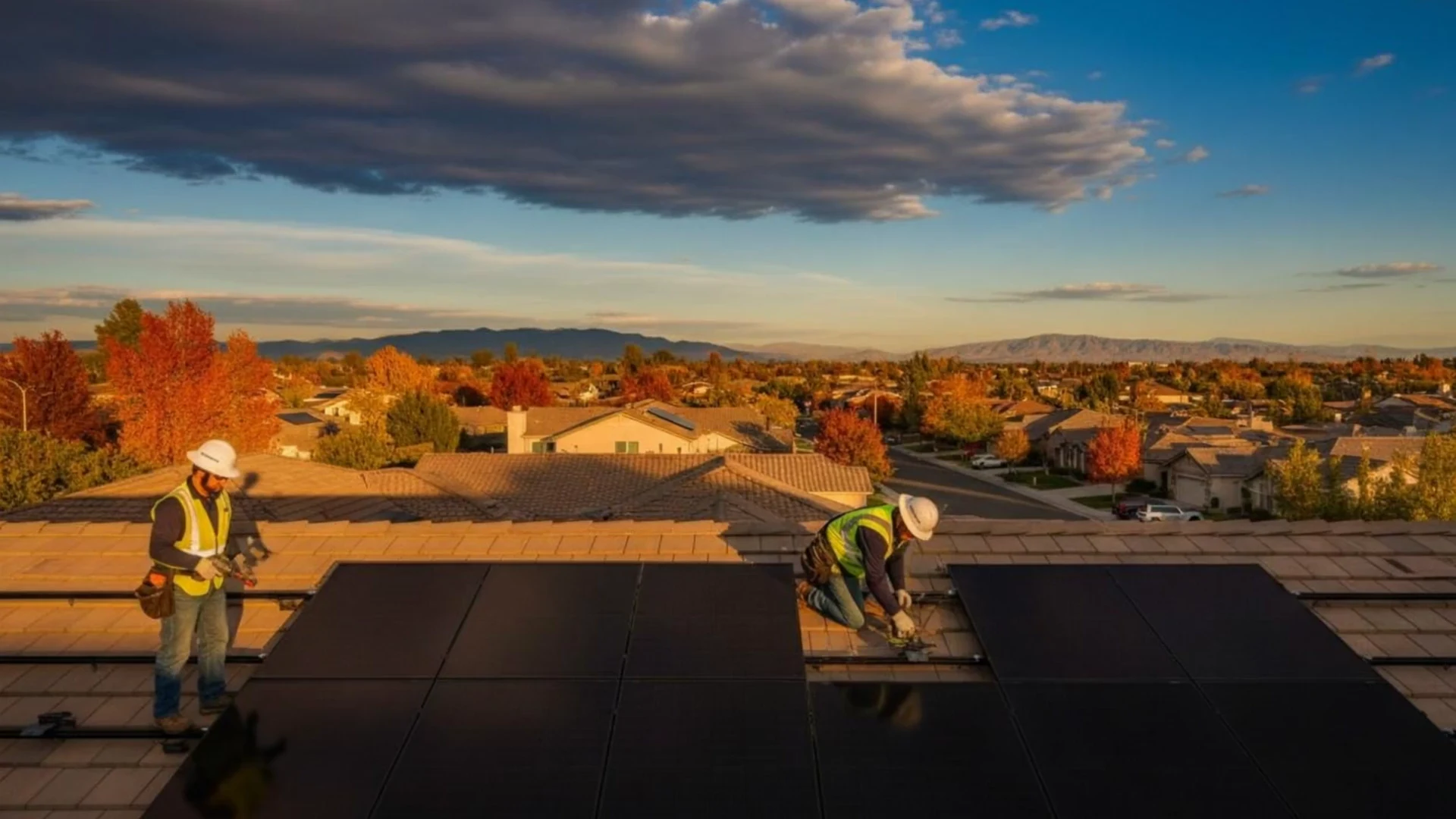
Solar Panel Removal & Reinstallation in East Lake, FL
America’s #1 Choice for Energy Independence
We handle removal, storage, and reinstallation — coordinating with your roofer so your project runs smoothly from start to finish.
By submitting or calling, you consent to receive calls and SMS from The Light Group USA at the number provided, including via auto-dialer or pre-recorded messages. Consent is not required for purchase. Msg/data rates may apply. Reply STOP to opt out. See our Privacy Policy.

Protect your roof and your solar investment
Let professionals handle your solar panel removal the right way.
By submitting or calling, you consent to receive calls and SMS from The Light Group USA at the number provided, including via auto-dialer or pre-recorded messages. Consent is not required for purchase. Msg/data rates may apply. Reply STOP to opt out. See our Privacy Policy.
Panel removal and reinstall in East Lake
East Lake follows East Lake Road along the eastern shore of Lake Tarpon, in the northeast corner of Pinellas County. Around 33,283 people live across 34685, 34688 and 34677, mostly in deed-restricted subdivisions laid out around water frontage and golf. The roofs are a mix of shingle and tile, and that mix changes how an array comes off and what has to happen before it goes back on.
Electric service is the first thing to pin down here. Duke Energy Florida serves this area, and Tampa Electric also reports serving parts of Pinellas County without any primary source defining which parts. Both credit exported power at the retail rate, but the interconnection record behind a reinstallation belongs to whichever utility owns the meter. The honest answer is that it gets confirmed by address, off the meter and the bill.
The trigger is almost always the roof rather than the solar. A tear-off date is set, the roofing crew declines to touch the array, and the original installer no longer answers. Because East Lake is unincorporated, the permit for removal and reinstallation comes from Pinellas County rather than from a neighboring city hall, and the final inspection closes there too. Confirming that early keeps a finished roof from waiting on paperwork.
This close to open water, the hardware ages faster than the glass. Clamp bolts, grounding lugs, rail splices and connector shells corrode inside their housings, where nothing shows from the driveway. With the array down for the roof anyway, every one of those connections sits at eye level for the first time in years and can be opened, cleaned or replaced before it is bolted back over a brand new surface.
On a East Lake removal we get these right
Common questions about solar service in East Lake
Duke Energy Florida serves this area. Tampa Electric also reports serving parts of Pinellas County, and no primary source defines which parts, so in the county northeast corner the provider is confirmed by address. The meter and the monthly bill settle it, and both companies credit exported power at the retail rate.
As long as the roof takes, provided they are stored properly. Modules do not degrade sitting indoors on edge with separators between them. The real risk is handling and storage, not elapsed time. What does matter is that the system produces nothing while it is down, so a shorter roofing window means less lost generation.
Inside, dry, upright and separated. A garage or an enclosed bay is the normal answer. Modules stacked flat on top of each other or leaned against the glass are the classic source of microcracks that never show up until production drifts down months later. Storage is part of the scope, not an afterthought.
It should, and if the original installer is gone it may need to be rebuilt rather than restored. Inverter and gateway credentials often live with the company that commissioned the system. Reconnecting the monitoring and documenting the login belongs in the closeout, otherwise the array goes back with no way to see how it is doing.
The same panels usually go back. Modules that survive removal without cracked glass or damaged backsheets are generally reinstalled as they are. What often does get replaced is hardware: corroded lugs, seized clamp bolts and damaged connectors. That decision is made with the array on the ground, where each part can actually be seen.
Other solar work we do here
Panel Removal & Reinstallation near East Lake
Crews based in Orlando and Tampa, covering 217 cities statewide.
Tampa Bay
- Apollo Beach
- Auburndale
- Bartow
- Bayonet Point
- Bayshore Gardens
- Bloomingdale
- Bradenton
- Brandon
- Carrollwood
- Citrus Park
- Clearwater
- Davenport
- Dunedin
- East Lake
- East Lake-Orient Park
- Egypt Lake-Leto
- Elfers
- Englewood
- Fish Hawk
- Four Corners
- Fruitville
- Gibsonton
- Haines City
- Holiday
- Jasmine Estates
- Keystone
- Lake Magdalene
- Lake Wales
- Lakeland
- Lakewood Ranch
- Land O' Lakes
- Largo
- Lealman
- Lutz
- New Port Richey
- North Port
- Northdale
- Palm Harbor
- Palm River-Clair Mel
- Palmer Ranch
- Pinellas Park
- Plant City
- Poinciana
- Riverview
- Ruskin
- Safety Harbor
- Sarasota
- Seminole
- South Bradenton
- South Venice
- St. Petersburg
- Sun City Center
- Tampa
- Tarpon Springs
- Temple Terrace
- Thonotosassa
- Town 'n' Country
- Trinity
- University
- Valrico
- Venice
- Wesley Chapel
- Westchase
- Wimauma
- Winter Haven
- Zephyrhills
We also cover Florida Panhandle, North Florida, Northeast Florida, Central Florida, Space Coast, Southwest Florida, Treasure Coast, South Florida. See every Florida city we service.